Polyclonal Antibodies
Anti-GHRL Polyclonal Antibody for WB and ELISA - Q9UBU3
Item Number : CM0018591
Price varies based on specs and customizations
- Application
- WB, ELISA
- Cross Reactivity
- Human
- Protein Weight
- 13kDa

Shipping:
Contact us to get shipping details Enjoy On-time Dispatch Guarantee.
Why Choose Us
Easy ordering process, quality products, and dedicated support for your business success.
Core Product Specifications and Parameters
| Parameter | Value |
|---|---|
| Product Name | GHRL Rabbit pAb |
| Remarks/Alias | MTLRP; GHRL |
| Species | Human |
| GeneID (Human) | 51738 |
| GeneID | 51738 |
| Immunogen | Recombinant fusion protein containing a sequence corresponding to amino acids 1-117 of human GHRL (NP_057446.1) |
| Source | Rabbit |
| Category | Polyclonal Antibodies |
| Application | WB, ELISA |
| Cross Reactivity | Human |
| SWISS | Q9UBU3 |
| Protein Weight | 13kDa |
| Shipping | Ice bag |
Biological Background: GHRL (Appetite-regulating Hormone) Function and Localization
- Encoded by the GHRL gene, the preproprotein is cleaved into ghrelin-27 and ghrelin-28, also known as growth hormone secretagogue, growth hormone-releasing peptide, and motilin-related peptide.
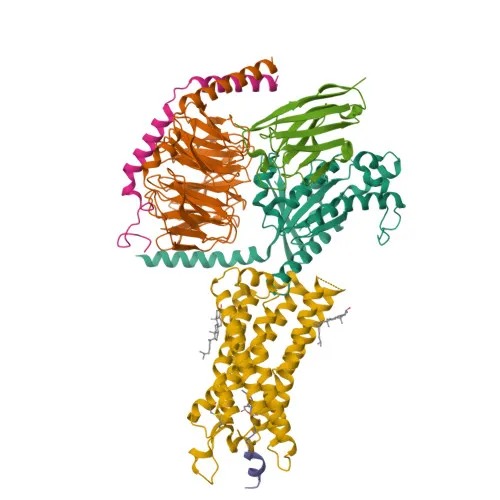
- Ghrelin is the endogenous ligand for the growth hormone secretagogue receptor type 1 (GHSR) and induces the release of growth hormone from the pituitary. Related references: PMID:10604470, PMID:35027551
- The hormone plays a central role in appetite stimulation, promoting adiposity and gastric acid secretion; it is involved in overall growth regulation.
- Octanoylation of ghrelin-28 is essential for GHSR activation, with octanoylated ghrelin being the most commonly found active form. Related references: PMID:11306336, PMID:35027551
- Secreted into the bloodstream, ghrelin exhibits highest expression in the stomach, with compensatory synthesis in other tissues following gastrectomy.
- Post-translational modifications include amidation and alternative splicing; ghrelin may also interact with GPR39 to influence gastric motility (by similarity).
Experimental Guidance and Technical Tips
- The immunogen covers the full-length human GHRL precursor (amino acids 1-117); the polyclonal antibody may recognize both the unprocessed precursor and mature ghrelin peptides.
- For Western blotting, the predicted molecular weight of the precursor is ~13 kDa, but post-translational processing can yield multiple bands; consider testing in stomach tissue lysates.
- In ELISA, the antibody can be explored as a capture or detection reagent; validate its performance in relevant sample matrices such as human serum or tissue extracts.
- Given the secretory nature of ghrelin, sample preparation should account for potential peptidase activity; use appropriate inhibitors if needed.
CamelBio: Your One-Stop Sourcing Bridge
CamelBio offers comprehensive IVD raw-material solutions, including validated antibody pairs, optimized polyclonal and monoclonal antibodies, bulk ancillary reagents, and rare-target sourcing. For researchers focused on appetite regulation and metabolic disorders, this anti-GHRL antibody provides a reliable tool to advance your diagnostic or research applications. As your one-stop partner, CamelBio supports every stage from concept to clinic with tailored technical and procurement services.
REQUEST A QUOTE
Our professional team will reply to you within one business day. Please feel free to contact us!