Monoclonal Antibodies
Anti-γ-Catenin Monoclonal Antibody for WB, ELISA - P14923
Item Number : CM0006009
Price varies based on specs and customizations
- Application
- WB, ELISA
- Cross Reactivity
- Human, Mouse, Rat
- Protein Weight
- 82kDa

Shipping:
Contact us to get shipping details Enjoy On-time Dispatch Guarantee.
Why Choose Us
Easy ordering process, quality products, and dedicated support for your business success.
Core Product Specifications and Parameters
| Parameter | Value |
|---|---|
| Product Name | γ-Catenin Rabbit mAb |
| Remarks/Alias | PG; DP3; PDGB; PKGB; CTNNG; DPIII; γ-Catenin |
| Species | Human |
| GeneID (Human) | 3728 |
| Immunogen | Recombinant fusion protein containing a sequence corresponding to amino acids 15-115 of human γ-Catenin (P14923) |
| Source | Rabbit |
| Category | Monoclonal Antibodies |
| Application | WB, ELISA |
| Cross Reactivity | Human, Mouse, Rat |
| SWISS | P14923 |
| Protein Weight | 82kDa |
| Shipping | Ice bag |
Biological Background: γ-Catenin Function and Localization
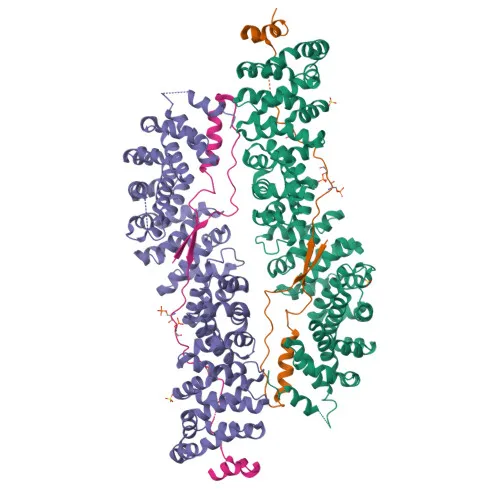
- Junction plakoglobin (γ-Catenin) is encoded by the JUP gene (also known as CTNNG, DP3) and acts as a common junctional plaque protein.
- It is a structural component of both desmosomes and adherens junctions, playing a central role in linking cadherins to the cytoskeleton and maintaining tissue integrity.
- γ-Catenin can substitute for β-catenin in E-cadherin/catenin adhesion complexes, coupling cadherins to the actin cytoskeleton.
- Serves as a substrate for VE-PTP and is required for VE-cadherin function in endothelial cells.
- Localizes to cell junctions (desmosomes and adherens junctions), as well as cytoplasm, nucleus, and axonal projections.
- Expressed in heart cardiomyocytes and skin keratinocytes at the protein level. Related references: PMID:26604139
- Post-translational modifications include phosphorylation, acetylation, and glycosylation, as identified by proteomics.
- Mutations in JUP are linked to arrhythmogenic right ventricular cardiomyopathy (ARVC) and palmoplantar keratoderma.
Experimental Guidance and Technical Tips
- The immunogen corresponds to amino acids 15–115 of human γ-catenin; this N-terminal region may be well-suited for detection in denaturing western blot conditions.
- For western blot, expect a band at approximately 82 kDa; consider using lysates from human heart or skin tissues or relevant cell lines (e.g., HeLa, A431) as positive controls.
- For ELISA applications, test the antibody as a capture or detection reagent with optimization of coating and detection conditions.
- Validate antibody specificity using knockout or knockdown models in your target species system.
CamelBio: Your One-Stop Sourcing Bridge
CamelBio offers a comprehensive portfolio of IVD raw materials, serving as a one-stop sourcing partner for diagnostic developers and research laboratories. This anti-γ-catenin antibody supports studies in cell adhesion, junctional complex biology, and related diseases. Beyond this product, we provide validated antibody pairs, optimized monoclonal and polyclonal antibodies, bulk ancillary reagents, and sourcing for rare targets to accelerate your assay development from concept to clinic.
REQUEST A QUOTE
Our professional team will reply to you within one business day. Please feel free to contact us!