Polyclonal Antibodies
Anti-GGH Polyclonal Antibody for WB, ELISA - Q92820
Item Number : CM0030486
Price varies based on specs and customizations
- Application
- WB, ELISA
- Cross Reactivity
- Human, Mouse
- Protein Weight
- 36kDa

Shipping:
Contact us to get shipping details Enjoy On-time Dispatch Guarantee.
Why Choose Us
Easy ordering process, quality products, and dedicated support for your business success.
Core Product Specifications and Parameters
| Parameter | Value |
|---|---|
| Product Name | GGH Rabbit pAb |
| Remarks/Alias | GH; GATD10; GGH |
| Species | Human |
| GeneID (human) | 8836 |
| GeneID | 8836 |
| Immunogen | Recombinant fusion protein containing a sequence corresponding to amino acids 25-230 of human GGH (NP_003869.1). |
| Source | Rabbit |
| Category | Polyclonal Antibodies |
| Application | WB, ELISA |
| Cross Reactivity | Human, Mouse |
| SWISS | Q92820 |
| Protein Weight | 36kDa |
| Shipping | Ice bag |
Biological Background: GGH Function and Localization
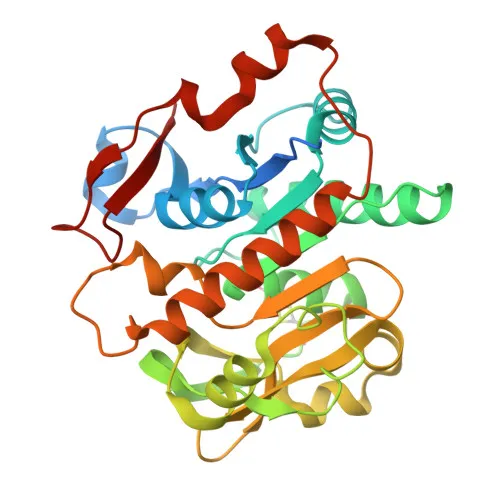
- GGH (gamma-glutamyl hydrolase) hydrolyzes the polyglutamate sidechains of pteroylpolyglutamates, progressively removing gamma-glutamyl residues to yield folic acid and free glutamate. Related references: PMID:11005824, PMID:8816764
- This enzyme is critical for the bioavailability of dietary pteroylpolyglutamates and the metabolism of pteroylpolyglutamates and antifolates.
- GGH is classified as a glycoprotein, indicating glycosylation as a key post-translational modification.
- The protein localizes to multiple compartments: secreted into the extracellular space, and within lysosomes and melanosomes.
- According to UniProt, the canonical molecular weight is approximately 36 kDa (35964 Da).
- The gene is also known by aliases GH and GATD10.
Experimental Guidance and Technical Tips
- The immunogen used (amino acids 25–230) corresponds to a region of the mature protein that likely excludes the signal peptide, which may enhance specificity for the processed form. Consider validating detection in relevant biological fluids or lysates.
- For WB, a band around 36 kDa is expected under reducing conditions. Confirm migration in your sample system, as glycosylation may cause slight shifts.
- The antibody cross-reacts with mouse GGH, making it suitable for translational studies using mouse models, but always verify expression levels in your tissue or cell line of interest.
- ELISA performance may depend on coating antigen and detection format; consider pairing with a suitable secondary detection system.
CamelBio: Your One-Stop Sourcing Bridge
CamelBio provides diagnostic manufacturers, labs, and research institutes with streamlined access to IVD raw materials, including validated polyclonal antibodies like this GGH reagent. Our portfolio covers a broad spectrum of targets for cancer, metabolism, and infectious disease applications—from optimized antibody pairs to bulk ancillary reagents. For rare or custom targets, we offer specialized sourcing to help bridge gaps in your development pipeline, ensuring you can move from concept to clinic with confidence.
REQUEST A QUOTE
Our professional team will reply to you within one business day. Please feel free to contact us!