Monoclonal Antibodies
Anti-GFPT1 Rabbit Monoclonal Antibody for WB, IHC-P, ELISA - Q06210
Item Number : CM0002584
Price varies based on specs and customizations
- Application
- WB, IHC-P, ELISA
- Cross Reactivity
- Human, Mouse, Rat
- Protein Weight
- 79 kDa

Shipping:
Contact us to get shipping details Enjoy On-time Dispatch Guarantee.
Why Choose Us
Easy ordering process, quality products, and dedicated support for your business success.
Core Product Specifications and Parameters
| Parameter | Value |
|---|---|
| Product Name | GFPT1 Rabbit mAb |
| Remarks/Alias | GFA; GFAT; GFPT; MSLG; CMS12; GFAT1; CMSTA1; GFAT 1; GFAT1m; GFPT1L; GFPT1 |
| Species | Human |
| Gene ID (Human) | 2673 |
| Gene ID | 2673 |
| Immunogen | Synthetic peptide corresponding to a sequence within amino acids 600-699 of human GFPT1 (Q06210) |
| Source | Rabbit |
| Category | Monoclonal Antibodies |
| Application | WB, IHC-P, ELISA |
| Cross Reactivity | Human, Mouse, Rat |
| SWISS | Q06210 |
| Protein Weight | 79 kDa |
| Shipping | Ice bag |
Biological Background: GFPT1 Function and Localization
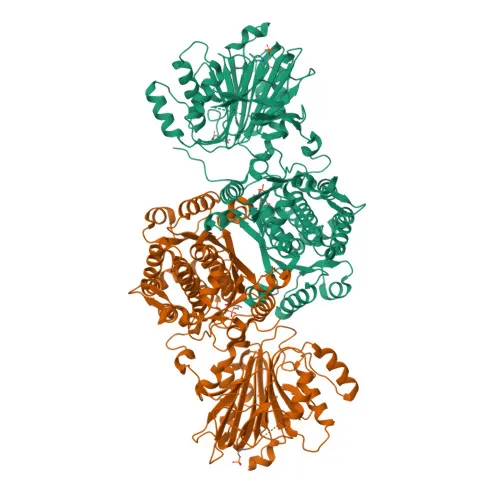
- GFPT1 (glutamine--fructose-6-phosphate aminotransferase 1), also known as GFAT1, is encoded by the GFPT1 gene and undergoes alternative splicing to generate multiple isoforms.
- It functions as the rate-limiting enzyme of the hexosamine biosynthetic pathway (HBP), converting fructose-6-phosphate and glutamine into glucosamine-6-phosphate and controlling glucose flux into this pathway. Related references: PMID:32019926, PMID:35229715
- GFPT1 activity is feedback-inhibited by UDP-N-acetylglucosamine (UDP-GlcNAc), providing tight metabolic control. Related references: PMID:32019926, PMID:35229715
- The enzyme fine-tunes UDP-GlcNAc fluctuations, thereby influencing hyaluronan synthesis during tissue remodeling. Related references: PMID:26887390
- By regulating HBP output, GFPT1 modulates the availability of substrates for N- and O-linked protein glycosylation and contributes to peripheral clock oscillation (by similarity).
- Tissue expression is predominantly in skeletal muscle; it is absent in brain and appears selectively expressed in striated muscle.
- Phosphorylation and alternative splicing represent key regulatory mechanisms (UniProt keywords: Phosphoprotein, Alternative splicing). Mutations in GFPT1 are associated with congenital myasthenic syndrome and other disorders.
Experimental Guidance and Technical Tips
- The immunogen corresponds to the C-terminal region (aa 600–699) of human GFPT1. Sequence alignment suggests potential cross-reactivity with mouse and rat orthologs; users should verify homology for their specific applications.
- In Western blotting, expect a band near 79 kDa. Consider including positive and negative controls (e.g., skeletal muscle lysate versus brain lysate) and validate the antibody in your experimental system.
- For immunohistochemistry (IHC-P), skeletal muscle sections are recommended based on reported expression patterns. Brain tissue may serve as a negative control.
- ELISA performance may vary; pilot studies to optimize coating antigen and antibody dilution are advisable.
- As a rabbit monoclonal antibody, lot-to-lot consistency is expected. Store upon arrival as indicated (shipped on ice bags).
CamelBio: Your One-Stop Sourcing Bridge
CamelBio serves as a one-stop sourcing partner for IVD raw materials, offering validated antibody pairs, optimized monoclonal/polyclonal antibodies, bulk ancillary reagents, and rare target sourcing. This GFPT1 antibody supports research in metabolic regulation, glycosylation, and neuromuscular disorders. Our supply capabilities are designed to accelerate your assay development from concept to clinic.
REQUEST A QUOTE
Our professional team will reply to you within one business day. Please feel free to contact us!