Monoclonal Antibodies
Anti-GFAP Monoclonal Antibody (Conjugate) for Immunofluorescence - P14136
Item Number : CM0009110
Price varies based on specs and customizations
- Application
- IF-P
- Cross Reactivity
- Human, Mouse, Rat
- Protein Weight
- 50kDa

Shipping:
Contact us to get shipping details Enjoy On-time Dispatch Guarantee.
Why Choose Us
Easy ordering process, quality products, and dedicated support for your business success.
Core Product Specifications and Parameters
| Parameter | Value |
|---|---|
| Product Name | Conjugated GFAP Rabbit mAb |
| Remarks/Alias | ALXDRD |
| Species | Human |
| GeneID (human) | 2670 |
| GeneID | 2670 |
| Immunogen | Synthetic Peptide|A synthetic peptide corresponding to a sequence within amino acids 1-100 of human GFAP (P14136). |
| Source | Rabbit |
| Category | Monoclonal Antibodies |
| Application | IF-P |
| Cross Reactivity | Human, Mouse, Rat |
| SWISS | P14136 |
| Protein Weight | 50kDa |
| Shipping | Ice bag |
Biological Background: GFAP Function and Localization
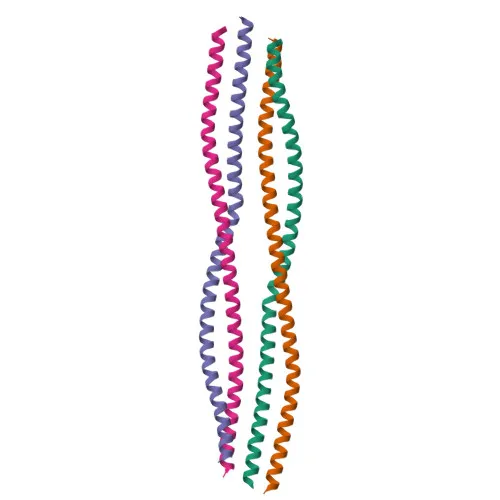
- GFAP is a class-III intermediate filament protein and a well-established cell-specific marker for astrocytes, distinguishing them from other glial cells during central nervous system development.
- It localizes predominantly in the cytoplasm, where it contributes to the cytoskeletal network of intermediate filaments.
- Alternative splicing of the GFAP gene produces multiple isoforms, which may have distinct expression patterns and functional roles.
- GFAP is expressed in cells lacking fibronectin, indicating a specific cellular context related to astrocyte identity.
- Post-translational modifications include citrullination, phosphorylation, and methylation, which can regulate filament assembly and dynamics.
- Mutations in GFAP are associated with disease variants, including Alexander disease (a type of leukodystrophy), underscoring its clinical relevance.
Experimental Guidance and Technical Tips
- For immunofluorescence applications, optimize fixation and permeabilization conditions to preserve antigenicity and achieve clear astrocyte-specific staining.
- Confirm cross-reactivity in mouse and rat tissues by validating in relevant brain sections or primary astrocyte cultures to ensure species-specific performance.
- As a rabbit monoclonal antibody, expect consistent batch-to-batch performance; however, always titrate the antibody in your specific assay system to determine the optimal working dilution.
- The immunogen corresponds to the N-terminal region (aa 1–100) of human GFAP; note that some splice variants or disease-associated mutations in this region may affect antibody recognition, so validate in your target sample if relevant.
CamelBio: Your One-Stop Sourcing Bridge
CamelBio enables diagnostic manufacturers and research labs to efficiently source validated IVD raw materials, including this anti-GFAP monoclonal antibody for neurological biomarker studies and astrocyte-targeted assay development. We offer bulk supplies of optimized antibodies, ancillary reagents, and streamlined procurement of rare-target raw materials to accelerate your project from concept to clinic. Partner with CamelBio to simplify your supply chain and secure high-quality immunological reagents tailored to your needs.
Product Datasheet
Anti-GFAP Monoclonal Antibody (Conjugate) for Immunofluorescence - P14136
REQUEST A QUOTE
Our professional team will reply to you within one business day. Please feel free to contact us!