Polyclonal Antibodies
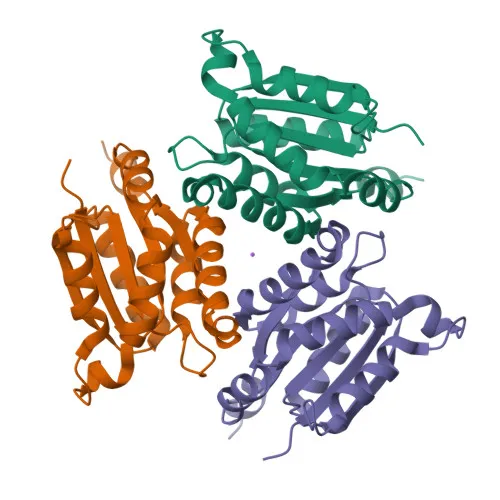
Anti-Gephyrin Polyclonal Antibody for WB and ELISA - Q9NQX3
Item Number : CM0026742
Price varies based on specs and customizations
- Application
- WB, ELISA
- Cross Reactivity
- Human, Mouse, Rat
- Protein Weight
- 80kDa

Shipping:
Contact us to get shipping details Enjoy On-time Dispatch Guarantee.
Why Choose Us
Easy ordering process, quality products, and dedicated support for your business success.
Core Product Specifications and Parameters
| Parameter | Value |
|---|---|
| Product Name | Gephyrin Rabbit pAb |
| Remarks/Alias | GPH; GEPH; HKPX1; GPHRYN; MOCODC; Gephyrin |
| Species | Human |
| GeneID (Human) | 10243 |
| GeneID | 10243 |
| Immunogen | Recombinant fusion protein containing a sequence corresponding to amino acids 520-769 of human Gephyrin (NP_065857.1) |
| Source | Rabbit |
| Category | Polyclonal Antibodies |
| Application | WB, ELISA |
| Cross Reactivity | Human, Mouse, Rat |
| SWISS | Q9NQX3 |
| Protein Weight | 80kDa |
| Shipping | Ice bag |
Biological Background: Gephyrin Function and Localization
- Gephyrin is a multifunctional protein primarily known as a microtubule-associated protein that anchors inhibitory neurotransmitter receptors to the cytoskeleton at postsynaptic sites.
- It serves as a major instructive molecule at inhibitory synapses, clustering both glycine receptors (GLYR) and GABA type A receptors, thereby stabilizing synaptic architecture. Related references: PMID:25025157, PMID:26613940
- Beyond its structural role, gephyrin catalyzes two steps in the biosynthesis of the molybdenum cofactor (MoCo), involving adenylation of molybdopterin followed by molybdate insertion and AMP release.
- The GPHN gene encodes several isoforms through alternative splicing, contributing to functional diversity in both neuronal and non-neuronal tissues.
- Subcellularly, gephyrin localizes to the postsynaptic cell membrane, dendrites, and postsynaptic density in neurons, but is also found in the cytoplasm, cytosol, and associated with the cytoskeleton in other cell types.
- Post-translational modifications include palmitoylation and phosphorylation, which regulate its membrane association and clustering activity.
- Disease-associated mutations in GPHN have been linked to neurological disorders, emphasizing its critical role in synaptic function.
Experimental Guidance and Technical Tips
- The immunogen spans the C-terminal region (aa 520–769) of human gephyrin, which encompasses sequences involved in receptor clustering; therefore, this antibody may detect isoforms containing this domain.
- For Western blot, a band around 80 kDa is expected; however, alternative splicing and post-translational modifications might result in additional bands. Validate the specificity using appropriate controls (e.g., knockdown or knockout lysates).
- The antibody cross-reacts with mouse and rat gephyrin; consider sequence alignment of the immunogen region to confirm homology for other species before use.
- This polyclonal antibody is suitable for ELISA; standard optimization of coating antigen concentration and detection conditions is recommended.
- For immunohistochemical applications (not validated in the product's applications), antigen retrieval methods may be necessary due to the tight synaptic localization; perform pilot experiments.
CamelBio: Your One-Stop Sourcing Bridge
CamelBio streamlines raw-material procurement for IVD manufacturers and researchers, offering validated antibodies like this anti-Gephyrin polyclonal for neuroscience and metabolism studies. Beyond single reagents, we supply antibody pairs, bulk ancillary materials, and rare-target sourcing to accelerate your assay development from concept to clinic.
REQUEST A QUOTE
Our professional team will reply to you within one business day. Please feel free to contact us!