Monoclonal Antibodies
Anti-Gephyrin Monoclonal Antibody for WB, ELISA - Q9NQX3
Item Number : CM0005561
Price varies based on specs and customizations
- Application
- WB, ELISA
- Cross Reactivity
- Human, Mouse, Rat
- Protein Weight
- 80kDa/83kDa

Shipping:
Contact us to get shipping details Enjoy On-time Dispatch Guarantee.
Why Choose Us
Easy ordering process, quality products, and dedicated support for your business success.
Core Product Specifications and Parameters
| Parameter | Value |
|---|---|
| Product Name | Gephyrin Rabbit mAb |
| Remarks/Alias | GPH; GEPH; HKPX1; GPHRYN; MOCODC; Gephyrin |
| Species | Human |
| GeneID (Human) | 10243 |
| GeneID | 10243 |
| Immunogen | Synthetic Peptide |
| Source | Rabbit |
| Category | Monoclonal Antibodies |
| Application | WB, ELISA |
| Cross Reactivity | Human, Mouse, Rat |
| SWISS | Q9NQX3 |
| Protein Weight | 80kDa/83kDa |
| Shipping | Ice bag |
Biological Background: Gephyrin Function and Localization
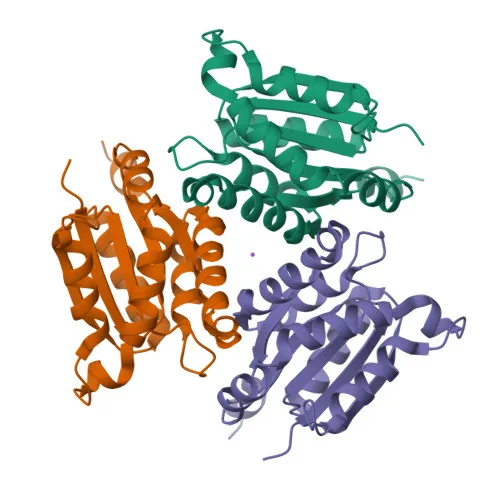
- Gephyrin, encoded by the GPHN gene (aliases GPH, GEPH, HKPX1, GPHRYN, MOCODC), is a microtubule-associated protein that anchors inhibitory glycine receptors to subsynaptic microtubules.
- It also clusters GABA type A receptors at inhibitory synapses, serving as a key organizer of inhibitory postsynaptic densities. Related references: PMID:25025157 PMID:26613940
- Gephyrin catalyzes two steps in molybdenum cofactor biosynthesis: adenylation of molybdopterin and subsequent insertion of molybdate, releasing AMP.
- Subcellular localization includes the postsynaptic cell membrane, cytosol, cytoskeleton, dendrites, and postsynaptic density.
- Alternative splicing and post-translational modifications such as palmitoylation and phosphorylation regulate its synaptic clustering and function.
- Gephyrin is classified as a multifunctional enzyme with nucleotide- and metal-binding properties; disease variants are reported, linking GPHN mutations to neurological disorders.
Experimental Guidance and Technical Tips
- The immunogen (N‑terminal amino acids 1–100) is well conserved across human, mouse, and rat, supporting the observed cross‑reactivity.
- For western blotting, expect major bands at 80 kDa and 83 kDa; alternative splicing and modifications may yield additional bands. Validate in the relevant sample system.
- This antibody is suitable for ELISA; consider optimization of coating and detection conditions for sandwich assays.
- When used in rodent models, confirm reactivity in the target tissue and cell type, as expression levels can vary.
CamelBio: Your One-Stop Sourcing Bridge
CamelBio provides one-stop access to IVD raw materials for neuroscience and molybdenum cofactor research, including validated antibodies against synaptic targets like gephyrin. Our portfolio covers monoclonal and polyclonal antibodies, optimized antibody pairs, and bulk ancillary reagents to streamline assay development. For custom or rare‑target sourcing, our team offers end‑to‑end support from concept to clinic.
REQUEST A QUOTE
Our professional team will reply to you within one business day. Please feel free to contact us!