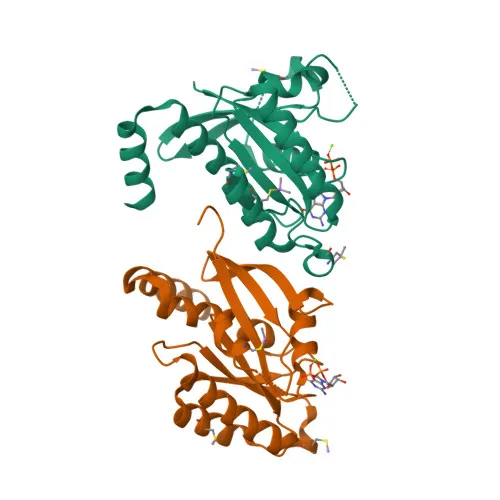
Polyclonal Antibodies
Anti-GEM Rabbit Polyclonal Antibody for WB, ELISA - P55040
Item Number : CM0026538
Price varies based on specs and customizations
- Application
- WB, ELISA
- Cross Reactivity
- Human
- Protein Weight
- 34kDa

Shipping:
Contact us to get shipping details Enjoy On-time Dispatch Guarantee.
Why Choose Us
Easy ordering process, quality products, and dedicated support for your business success.
Core Product Specifications and Parameters
| Parameter | Specification |
|---|---|
| Product Name | GEM Rabbit pAb |
| Remarks/Alias | KIR; GEM |
| Species | Human |
| Gene ID (Human) | 2669 |
| Gene ID | 2669 |
| Immunogen | Recombinant fusion protein containing a sequence corresponding to amino acids 1-150 of human GEM (NP_005252.1) |
| Source | Rabbit |
| Category | Polyclonal Antibodies |
| Application | WB, ELISA |
| Cross Reactivity | Human |
| SWISS | P55040 |
| Protein Weight | 34kDa |
| Shipping | Ice bag |
Biological Background: GEM Function and Localization
- GEM (GTP-binding protein GEM), also known as KIR (RAS-like protein KIR), is a member of the RAS superfamily of small GTPases, characterized by guanine nucleotide-binding activity but lacking detectable intrinsic GTPase activity.
- It is proposed to function as a regulatory protein in receptor-mediated signal transduction at the plasma membrane, potentially modulating downstream signaling cascades in immune and other cell types.
- Subcellular localization studies indicate that GEM is predominantly associated with the cell membrane, consistent with its role in membrane-proximal signaling events.
- GEM contains a calmodulin-binding domain and is regulated by phosphorylation, suggesting interplay between calcium signaling and kinase pathways in its functional control.
- Tissue expression analysis reveals high abundance in thymus, spleen, kidney, lung, and testis, with lower levels in heart, brain, liver, and skeletal muscle, indicating tissue-specific regulatory roles.
- The protein's molecular weight is approximately 34 kDa, consistent with its coding sequence and in line with the observed band in Western blot applications.
- As a potential participant in T-cell activation and mitogen-induced responses, GEM may serve as a research tool for investigating immune cell signaling and oncogenic pathways.
Experimental Guidance and Technical Tips
- The immunogen spans the N-terminal region (amino acids 1-150) of human GEM; this sequence may contain unique epitopes suitable for specific detection in human cell and tissue lysates.
- For Western blot, consider using a whole-cell lysate from GEM-expressing tissues such as thymus or spleen, and optimize blocking and antibody dilution to minimize nonspecific binding.
- In ELISA, validate the antibody in the relevant sample matrix (e.g., recombinant protein or cell lysate) to ensure linearity and sensitivity for quantitative assays.
- Given the membrane association of GEM, inclusion of mild detergents in lysis buffer may improve solubilization and detection.
- Cross-reactivity with other RAS family members is unlikely due to sequence divergence in the N-terminus, but confirm specificity in your experimental system.
CamelBio: Your One-Stop Sourcing Bridge
CamelBio provides diagnostic manufacturers, labs, and research institutes with integrated access to IVD raw materials, technical services, and consulting—covering every stage from concept to clinic. This GEM polyclonal antibody supports studies in signal transduction and immune cell biology, an area where CamelBio can supply validated antibody pairs, optimized polyclonal antibodies, bulk ancillary reagents, and rare target raw-material sourcing to accelerate your assay development. Contact us to explore tailored procurement solutions for your next project.
REQUEST A QUOTE
Our professional team will reply to you within one business day. Please feel free to contact us!