Monoclonal Antibodies
Anti-GATA3 Rabbit Monoclonal Antibody for WB, IP, ELISA, ChIP, ChIP-seq - P23771
Item Number : CM0002850
Price varies based on specs and customizations
- Application
- WB, IP, ELISA, ChIP, ChIP-seq
- Cross Reactivity
- Human, Mouse
- Protein Weight
- 48kDa

Shipping:
Contact us to get shipping details Enjoy On-time Dispatch Guarantee.
Why Choose Us
Easy ordering process, quality products, and dedicated support for your business success.
Core Product Specifications and Parameters
| Parameter | Value |
|---|---|
| Product Name | GATA3 Rabbit mAb |
| Remarks/Alias | HDR; HDRS; GATA3 |
| Species | Human |
| GeneID (Human) | 2625 |
| GeneID | 2625 |
| Immunogen | Recombinant protein|Recombinant fusion protein containing a sequence corresponding to amino acids 1-200 of human GATA3 (P23771). |
| Source | Rabbit |
| Category | Monoclonal Antibodies |
| Application | WB, IP, ELISA, ChIP, ChIP-seq |
| Cross Reactivity | Human, Mouse |
| SWISS | P23771 |
| Protein Weight | 48kDa |
| Shipping | Ice bag |
Biological Background: GATA3 Function and Localization
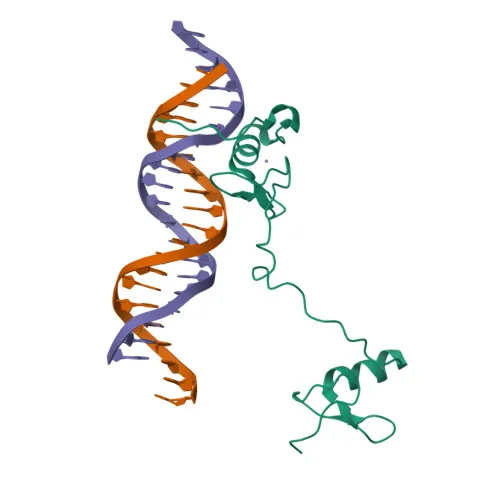
- GATA3 is a zinc-finger transcription factor that acts as a transcriptional activator, binding to the consensus DNA sequence 5'-AGATAG-3' to regulate the expression of T-cell receptor alpha and delta genes.
- It is essential for the T-helper 2 (Th2) cell differentiation process during immune and inflammatory responses.
- GATA3 positively regulates ASB2 expression, although the exact mechanism remains to be fully characterized (by similarity).
- In response to IL33 signaling, GATA3 coordinates macrophage transcriptional activation and UCP2-dependent metabolic reprogramming, promoting the differentiation of inflammation-resolving alternatively activated macrophages upon tissue injury.
- The protein is localized to the nucleus, consistent with its role as a transcription factor.
- GATA3 is predominantly expressed in T-cells and endothelial cells, highlighting its specialized roles in immune and vascular biology.
- Post-translational modifications, including phosphorylation, regulate its activity, and mutations in GATA3 are associated with human diseases such as deafness (HDR syndrome).
- Alternative splicing generates multiple isoforms, which may have distinct functional properties.
Experimental Guidance and Technical Tips
- The immunogen corresponds to the N-terminal region (aa 1-200) of human GATA3; consider that the antibody may detect multiple isoforms if the N-terminus is shared.
- For ChIP and ChIP-seq applications, optimize crosslinking and shearing conditions for your specific cell type to ensure robust enrichment of GATA3-bound genomic regions.
- Validate the antibody in your relevant sample system, such as T-cell lines or primary cells, as expression levels and modifications can vary.
- The detected band on WB is approximately 48 kDa; slight variations may occur due to post-translational modifications.
CamelBio: Your One-Stop Sourcing Bridge
CamelBio partners with diagnostic manufacturers, labs, and research institutes to provide comprehensive IVD raw-material sourcing. For transcription-factor targets like GATA3, we offer validated antibody pairs, optimized monoclonal/polyclonal antibodies, bulk ancillary reagents, and rare target raw-material procurement to support your development from concept to clinic.
Product Datasheet
Anti-GATA3 Rabbit Monoclonal Antibody for WB, IP, ELISA, ChIP, ChIP-seq - P23771
REQUEST A QUOTE
Our professional team will reply to you within one business day. Please feel free to contact us!