Monoclonal Antibodies
Anti-GATA3 Rabbit Monoclonal Antibody for WB, IF, FC - P23771
Item Number : CM0006021
Price varies based on specs and customizations
- Application
- WB, IF/ICC, IF-P, FC (intra), ELISA
- Cross Reactivity
- Human
- Protein Weight
- 48 kDa

Shipping:
Contact us to get shipping details Enjoy On-time Dispatch Guarantee.
Why Choose Us
Easy ordering process, quality products, and dedicated support for your business success.
Core Product Specifications and Parameters
| Parameter | Value |
|---|---|
| Product Name | GATA3 Rabbit mAb |
| Remarks/Alias | HDR; HDRS |
| Species | Human |
| GeneID (Human) | 2625 |
| GeneID | 2625 |
| Immunogen | Recombinant fusion protein containing a sequence corresponding to amino acids 1-200 of human GATA3 (NP_001002295.1). |
| Source | Rabbit |
| Category | Monoclonal Antibodies |
| Application | WB, IF/ICC, IF-P, FC (intra), ELISA |
| Cross Reactivity | Human |
| SWISS | P23771 |
| Protein Weight | 48 kDa |
| Shipping | Ice bag |
Biological Background: GATA-3 Function and Localization
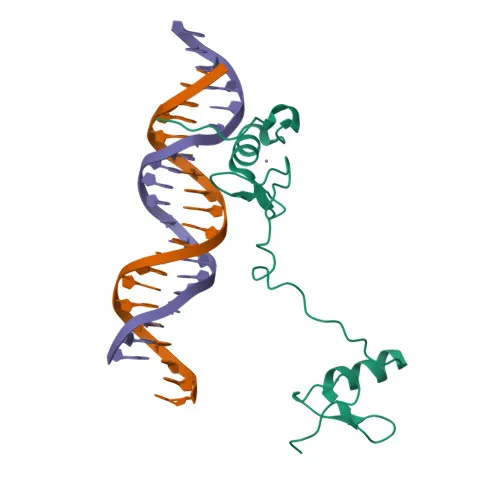
- GATA3 (GATA-binding factor 3) is a member of the GATA family of zinc-finger transcription factors that binds to the consensus DNA sequence 5'-AGATAG-3' in the regulatory regions of target genes.
- It functions as a transcriptional activator critical for T-cell receptor α and δ gene expression, and is essential for T-helper 2 (Th2) cell differentiation, driving immune and inflammatory responses.
- GATA3 upregulates ASB2 expression by similarity and coordinates IL33-dependent macrophage transcriptional activation and UCP2-mediated metabolic reprogramming, promoting alternative activation of macrophages during tissue injury.
- The protein localizes exclusively to the nucleus, consistent with its role as a transcription factor.
- It is predominantly expressed in T-cells and endothelial cells, and mutations in GATA3 cause hypoparathyroidism, sensorineural deafness, and renal disease (HDR syndrome) – reflected in the aliases HDR/HDRS.
- GATA3 undergoes post-translational phosphorylation and contains two C2H2-type zinc finger domains that mediate DNA binding.
- Alternative splicing generates multiple isoforms, and the protein is subject to proteomics identification in various studies.
Experimental Guidance and Technical Tips
- The immunogen comprises amino acids 1–200 of human GATA3, an N-terminal region that includes regulatory domains; therefore, the antibody may recognize multiple isoforms and phosphorylation states. Confirm by western blot using lysates from GATA3-expressing cells.
- For western blotting, a band of approximately 48 kDa is expected; use a suitable loading control and validate signal specificity via siRNA knockdown or knockout cell lines.
- In immunofluorescence/immunocytochemistry and flow cytometry (intracellular), nuclear staining should be observed. Permeabilize cells appropriately and include isotype controls.
- The antibody is specific for human GATA3; cross-reactivity with mouse or rat has not been determined. Validate in relevant model systems if cross-species use is intended.
- For ELISA applications, the antibody can be employed in sandwich or direct formats; optimize coating and detection conditions.
CamelBio: Your One-Stop Sourcing Bridge
CamelBio provides diagnostic manufacturers, labs, and research institutes with one-stop access to IVD raw materials, technical services, and consulting—covering every stage from concept to clinic. For researchers studying T-cell differentiation, immune disorders, or HDR syndrome, CamelBio offers validated antibody pairs, recombinant proteins, and bulk ancillary reagents to accelerate assay development. Its global supply network ensures reliable, cost-effective sourcing of GATA3 and other challenging transcription factor targets.
REQUEST A QUOTE
Our professional team will reply to you within one business day. Please feel free to contact us!