Polyclonal Antibodies
Anti-GATA3 Polyclonal Antibody for WB and ELISA - P23771
Item Number : CM0024545
Price varies based on specs and customizations
- Application
- WB, ELISA
- Cross Reactivity
- Mouse
- Protein Weight
- 48kDa

Shipping:
Contact us to get shipping details Enjoy On-time Dispatch Guarantee.
Why Choose Us
Easy ordering process, quality products, and dedicated support for your business success.
Core Product Specifications and Parameters
| Parameter | Value |
|---|---|
| Product Name | GATA3 Rabbit pAb |
| Remarks/Alias | HDR; HDRS; GATA3 |
| Species | Human |
| Gene ID | 2625 |
| Immunogen | Recombinant protein / Recombinant fusion protein containing a sequence corresponding to amino acids 1-260 of human GATA3 (NP_001002295.1) |
| Source | Rabbit |
| Category | Polyclonal Antibodies |
| Application | WB, ELISA |
| Cross Reactivity | Mouse |
| SWISS | P23771 |
| Protein Weight | 48kDa |
| Shipping | Ice bag |
Biological Background: GATA3 Function and Localization
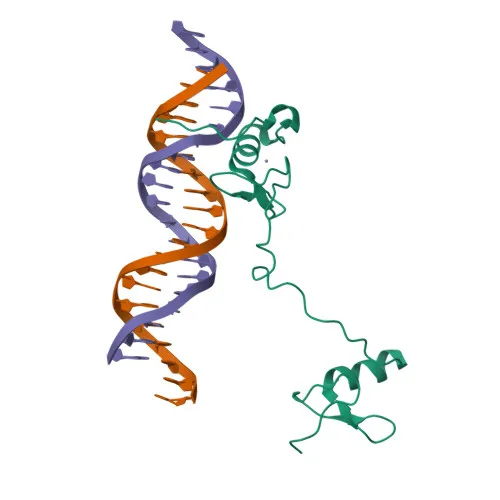
- GATA3 (GATA-binding factor 3) is a zinc-finger transcription factor belonging to the GATA family, characterized by two C4-type zinc finger motifs that mediate DNA binding to the consensus sequence 5'-AGATAG-3'.
- It acts as a transcriptional activator essential for T-cell receptor alpha and delta gene expression and is indispensable for T-helper 2 (Th2) cell differentiation during immune and inflammatory responses.
- GATA3 positively regulates ASB2 expression (by similarity) and coordinates IL33-driven macrophage transcriptional activation, including UCP2-dependent metabolic reprogramming towards an anti-inflammatory phenotype.
- In response to tissue injury, GATA3 functions downstream of IL33 signaling to promote differentiation of alternatively activated macrophages, contributing to inflammation resolution.
- The protein localizes to the nucleus, consistent with its role as a transcription factor, and is expressed primarily in T-cells and endothelial cells.
- Alternative splicing produces multiple isoforms; the canonical isoform has a molecular weight of approximately 48 kDa (calculated from Uniprot: 47916 Da).
- Post-translational modifications include phosphorylation, and mutations in GATA3 are associated with deafness and other diseases (HDR syndrome).
Experimental Guidance and Technical Tips
- The immunogen comprises the N-terminal 260 amino acids of human GATA3, a region containing transactivation domains and part of the first zinc finger. This design may favor detection of both full-length and certain truncated isoforms.
- For Western blot, nuclear extracts or whole-cell lysates from T-cell lines or IL33-stimulated macrophages are recommended; a band near 48 kDa is expected.
- The antibody cross-reacts with mouse GATA3, allowing use in murine models, but validation in the specific sample system (e.g., tissue type, stimulation conditions) is advised.
- In ELISA applications, consider using recombinant GATA3 protein or peptide fragments as capture standards, and optimize blocking to reduce background from nuclear proteins.
- Due to the polyclonal nature, lot-to-lot consistency should be monitored, and critical experiments may benefit from including a control knockdown or knockout lysate.
CamelBio: Your One-Stop Sourcing Bridge
CamelBio serves as a comprehensive sourcing partner for IVD raw materials, bridging the gap between discovery and regulated product development. This anti-GATA3 antibody supports research into T-cell biology, macrophage polarization, and immune regulation pathways. Beyond single reagents, CamelBio offers validated antibody pairs, optimized monoclonal and polyclonal antibodies, bulk ancillary reagents, and specialized sourcing for rare or difficult-to-obtain immunological targets to streamline diagnostic assay development.
REQUEST A QUOTE
Our professional team will reply to you within one business day. Please feel free to contact us!