Polyclonal Antibodies
Anti-GAS7 Polyclonal Antibody for WB, ELISA - O60861
Item Number : CM0013568
Price varies based on specs and customizations
- Application
- WB, ELISA
- Cross Reactivity
- Human, Mouse, Rat
- Protein Weight
- 54kDa

Shipping:
Contact us to get shipping details Enjoy On-time Dispatch Guarantee.
Why Choose Us
Easy ordering process, quality products, and dedicated support for your business success.
Core Product Specifications and Parameters
| Parameter | Value |
|---|---|
| Product Name | GAS7 Rabbit pAb |
| Remarks/Alias | GAS7; MLL/GAS7 |
| Species | Human |
| GeneID | 8522 |
| Immunogen | Recombinant fusion protein containing a sequence corresponding to amino acids 1-412 of human GAS7 (NP_001124303.1) |
| Source | Rabbit |
| Category | Polyclonal Antibodies |
| Application | WB, ELISA |
| Cross Reactivity | Human, Mouse, Rat |
| SWISS | O60861 |
| Protein Weight | 54kDa |
| Shipping | Ice bag |
Biological Background: GAS7 Function and Localization
- Growth arrest-specific protein 7 (GAS7) is a developmental protein involved in neuronal differentiation, particularly promoting maturation and morphological differentiation of cerebellar neurons.
- Encoded by the GAS7 gene (GeneID: 8522), which produces multiple isoforms through alternative splicing; the canonical isoform has a molecular weight of ~54 kDa.
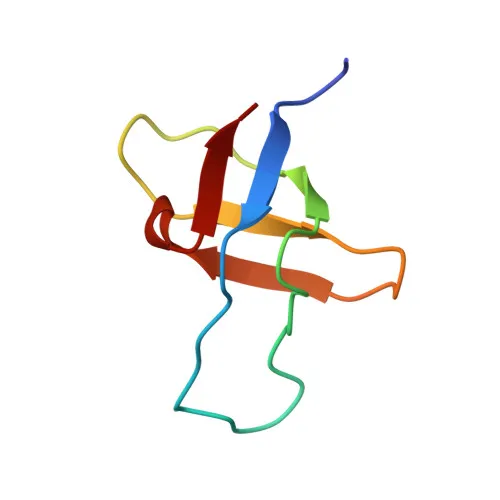
- Belongs to the GAS7 family and contains an SH3 domain and coiled-coil regions, suggesting roles in protein-protein interactions and cytoskeletal organization.
- The protein is implicated in chromosomal rearrangements, most notably the MLL/GAS7 fusion, which is associated with leukemia as a proto-oncogene.
- Subcellularly, GAS7 localizes to the cytoplasm, where it may function in signaling pathways that regulate neurogenesis.
- Post-translational modifications include phosphorylation, and the protein has been identified in multiple proteomics studies.
- Keywords from curated databases highlight its involvement in neurogenesis, differentiation, and developmental processes.
Experimental Guidance and Technical Tips
- The immunogen spans amino acids 1-412, covering the N-terminal region shared by multiple GAS7 isoforms; thus, the antibody may recognize several splice variants. Validate specificity in your target cell or tissue type if isoform discrimination is critical.
- For Western blot (WB), consider using whole-cell lysates from tissues or cell lines of human, mouse, or rat origin; the expected band size is around 54 kDa.
- In ELISA applications, ensure optimal coating concentration and antibody dilution by performing checkerboard titrations with your specific antigen.
- Since GAS7 is a low-abundance protein in many contexts, you may need to enrich the protein or use sensitive detection methods; negative and positive controls are recommended.
- Cross-reactivity has been reported for human, mouse, and rat samples; for other species, assess sequence homology of the immunogen region to predict potential reactivity.
CamelBio: Your One-Stop Sourcing Bridge
CamelBio provides a comprehensive procurement platform for IVD raw materials, connecting diagnostic manufacturers and research labs with validated immunological reagents like this GAS7 polyclonal antibody. Our portfolio includes high-quality antibodies, optimized antibody pairs, and bulk ancillary reagents, all backed by efficient sourcing and supply chain support for neuroscience and oncology research. Trust CamelBio to streamline your access to rare-target raw materials and accelerate your assay development from concept to clinical application.
REQUEST A QUOTE
Our professional team will reply to you within one business day. Please feel free to contact us!