Polyclonal Antibodies
Anti-GARS Polyclonal Antibody for WB, IF/ICC, ELISA - P41250
Item Number : CM0013467
Price varies based on specs and customizations
- Application
- WB, IF/ICC, ELISA
- Cross Reactivity
- Human, Mouse, Rat
- Protein Weight
- 83kDa

Shipping:
Contact us to get shipping details Enjoy On-time Dispatch Guarantee.
Why Choose Us
Easy ordering process, quality products, and dedicated support for your business success.
Core Product Specifications and Parameters
| Parameter | Value |
|---|---|
| Product Name | GARS Rabbit pAb |
| Remarks/Alias | GARS; HMN5; CMT2D; DSMAV; GlyRS; HMN5A; SMAD1; SMAJI |
| Species | Human |
| GeneID | 2617 |
| Immunogen | Recombinant fusion protein containing a sequence corresponding to amino acids 60-370 of human GARS (NP_002038.2) |
| Source | Rabbit |
| Category | Polyclonal Antibodies |
| Application | WB, IF/ICC, ELISA |
| Cross Reactivity | Human, Mouse, Rat |
| SWISS | P41250 |
| Protein Weight | 83kDa |
| Shipping | Ice bag |
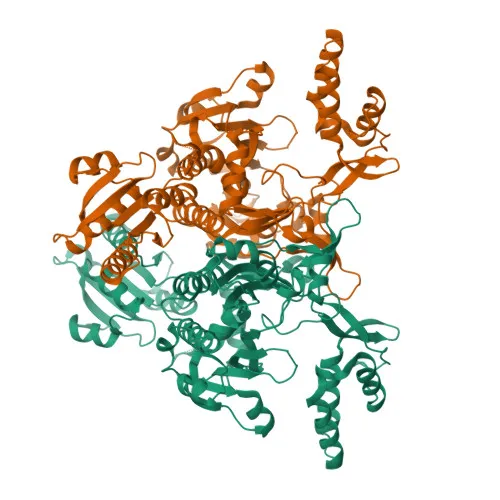
Biological Background: Glycine--tRNA ligase (GARS) Function and Localization
- Glycine--tRNA ligase (GARS), also known as GlyRS or GARS1, is a class II aminoacyl-tRNA synthetase that catalyzes the ATP-dependent ligation of glycine to its cognate tRNA(Gly), a critical step in protein biosynthesis.
- GARS aminoacylates tRNA(Gly) with glycine via formation of an aminoacyl-adenylate intermediate (Gly-AMP), ensuring accurate translation of glycine codons. Related references: PMID:17544401 PMID:24898252 PMID:28675565
- Beyond its canonical role, GARS functions as a diadenosine tetraphosphate (Ap4A) synthetase, directly condensing two ATP molecules to produce Ap4A, a universal signaling molecule involved in cell regulation pathways. Related references: PMID:19710017
- Subcellular localization includes cytoplasm, mitochondrion, cell projections such as axons, and secretion via extracellular exosomes, reflecting its multifaceted roles.
- Widely expressed across tissues, with notable presence in brain, spinal cord, muscle, heart, spleen, and liver, as indicated by tissue specificity data.
- Mutations in GARS are associated with Charcot-Marie-Tooth disease type 2D (CMT2D) and distal spinal muscular atrophy type V (DSMAV), highlighting its importance in neuronal maintenance.
- Contains conserved motifs for ATP binding and aminoacylation, classifying it as a multidomain ligase with essential roles in translation and cellular homeostasis.
Experimental Guidance and Technical Tips
- The immunogen spans amino acids 60–370, covering a substantial portion of the catalytic domain; consider that the antibody may recognize epitopes conserved across species (human, mouse, rat).
- For Western blotting, the predicted molecular weight is ~83 kDa; validate with appropriate positive controls and molecular weight markers.
- In immunofluorescence/ICC, optimize fixation and permeabilization conditions based on the target's subcellular localization (cytoplasmic, mitochondrial, axonal).
- ELISA applications should use the antibody as a capture or detection reagent; titrate to determine optimal working concentration in your specific assay system.
- Cross-reactivity with mouse and rat allows preclinical studies in rodent models of neuropathy or protein synthesis disorders; confirm suitability via pilot experiments.
CamelBio: Your One-Stop Sourcing Bridge
CamelBio provides diagnostic manufacturers, laboratories, and research institutes with streamlined access to IVD raw materials, including validated antibody pairs, optimized polyclonal antibodies, and bulk ancillary reagents. This anti-GARS antibody supports research into protein synthesis, neurodegeneration, and related disease mechanisms. Whatever your project demands—from rare target sourcing to technical consultation—CamelBio serves as your reliable partner from concept to clinic.
REQUEST A QUOTE
Our professional team will reply to you within one business day. Please feel free to contact us!