Polyclonal Antibodies
Anti-Galactosidase alpha (GLA) Rabbit Polyclonal Antibody for WB, IF/ICC, ELISA - P06280
Item Number : CM0023347
Price varies based on specs and customizations
- Application
- WB, IF/ICC, ELISA
- Cross Reactivity
- Human, Mouse
- Protein Weight
- 49kDa

Shipping:
Contact us to get shipping details Enjoy On-time Dispatch Guarantee.
Why Choose Us
Easy ordering process, quality products, and dedicated support for your business success.
Core Product Specifications and Parameters
| Parameter | Value |
|---|---|
| Product Name | Galactosidase alpha (GLA) Rabbit pAb |
| Remarks/Alias | GALA; Galactosidase alpha (GLA) |
| Species | Human |
| Gene ID (Human) | 2717 |
| Gene ID | 2717 |
| Immunogen | Recombinant protein|Recombinant fusion protein containing a sequence corresponding to amino acids 150-429 of human Galactosidase alpha (Galactosidase alpha (GLA)) (NP_000160.1). |
| Source | Rabbit |
| Category | Polyclonal Antibodies |
| Application | WB, IF/ICC, ELISA |
| Cross Reactivity | Human, Mouse |
| SWISS | P06280 |
| Protein Weight | 49kDa |
| Shipping | Ice bag |
Biological Background: Galactosidase alpha (GLA) Function and Localization
- Alpha-galactosidase A (GLA), also known as melibiase, is a lysosomal glycosidase that catalyzes the hydrolysis of terminal alpha-galactosyl moieties from glycoproteins and glycolipids.
- Its primary substrate in the lysosome is globotriaosylceramide (Gb3), and its activity is critical for the stepwise degradation of glycosphingolipids.
- The enzyme is encoded by the GLA gene; mutations lead to accumulation of glycosphingolipids, a hallmark of lysosomal storage disorders.
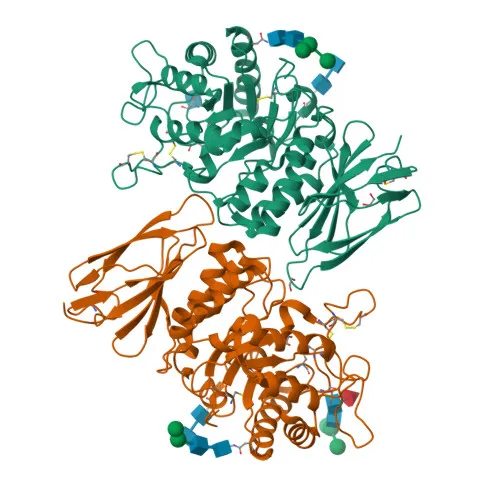
- GLA is a glycoprotein that forms a homodimer; the mature peptide has a predicted molecular weight of approximately 48.8 kDa but often migrates around 49–51 kDa on SDS-PAGE due to glycosylation.
- Subcellular localization is predominantly lysosomal, consistent with its function in the endo-lysosomal system.
- Post-translational modifications include N-linked glycosylation and intramolecular disulfide bonds, both important for enzymatic activity and stability.
- According to UniProt, GLA is a disease-associated protein with numerous reported pathogenic variants, and it is subject to RNA editing.
Experimental Guidance and Technical Tips
- The immunogen encompasses amino acids 150–429, which covers a large, conserved region of the enzyme; therefore, the antibody may be suitable for detecting both native and denatured protein.
- For western blotting (WB), a band near 49–51 kDa is expected, though glycosylation and sample preparation can influence migration. Consider using positive controls such as human or mouse cell lines known to express GLA.
- For immunofluorescence (IF/ICC), validate the antibody in cells with moderate to high GLA expression, and consider co-staining with a lysosomal marker (e.g., LAMP1) to confirm localization.
- The antibody cross-reacts with mouse GLA, as per supplier data; thus, murine tissues such as liver, kidney, or heart can serve as model systems.
- ELISA applications may require optimization of coating antigen and detection format; using recombinant GLA protein as a standard can help with quantification.
CamelBio: Your One-Stop Sourcing Bridge
CamelBio serves as a comprehensive sourcing partner for IVD raw materials, supporting diagnostic developers and research labs from concept to clinical application. This anti-GLA polyclonal antibody aligns with our focus on lysosomal storage disease and metabolic disorder targets. Beyond single antibodies, CamelBio offers validated antibody pairs, optimized monoclonal and polyclonal reagents, bulk ancillary supplies, and tailored sourcing for rare targets—streamlining your procurement and accelerating assay development.
REQUEST A QUOTE
Our professional team will reply to you within one business day. Please feel free to contact us!