Polyclonal Antibodies
Anti-GABARAPL2 Polyclonal Antibody for WB, ELISA - P60520
Item Number : CM0020665
Price varies based on specs and customizations
- Application
- WB, ELISA
- Cross Reactivity
- Human, Mouse
- Protein Weight
- 14kDa

Shipping:
Contact us to get shipping details Enjoy On-time Dispatch Guarantee.
Why Choose Us
Easy ordering process, quality products, and dedicated support for your business success.
Core Product Specifications and Parameters
| Parameter | Value |
|---|---|
| Product Name | GABARAPL2 Rabbit pAb |
| Remarks/Alias | ATG8; GEF2; ATG8C; GEF-2; GATE16; GATE-16; GABARAPL2 |
| Species | Human |
| Gene ID | 11345 |
| Immunogen | Synthetic peptide corresponding to a sequence within amino acids 1-50 of human GABARAPL2 (NP_009216.1) |
| Source | Rabbit |
| Category | Polyclonal Antibodies |
| Application | WB, ELISA |
| Cross Reactivity | Human, Mouse |
| SWISS | P60520 |
| Protein Weight | 14kDa |
| Shipping | Ice bag |
Biological Background: GABARAPL2 Function and Localization
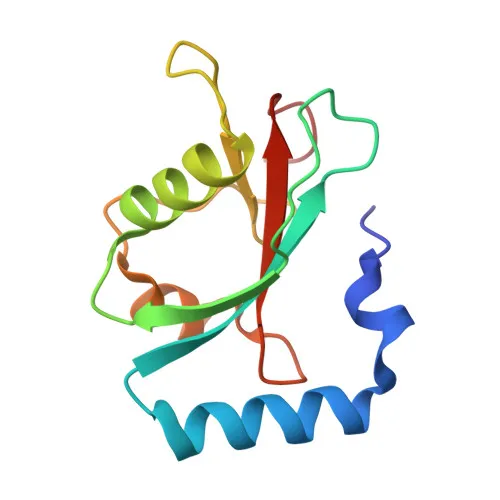
- GABARAPL2 (Gamma-aminobutyric acid receptor-associated protein-like 2) is also known as GATE-16, GEF-2, ATG8C, and MAP1 light chain 3-related protein. It belongs to the GABARAP/GATE-16 subfamily of ubiquitin-like proteins.
- It functions as a ubiquitin-like modifier involved in intra-Golgi transport, modulating coupling between NSF ATPase activity and SNARE activation (By similarity).
- GABARAPL2 plays a critical role in autophagy, specifically in autophagosome maturation, distinguishing it from LC3 proteins involved in phagophore elongation. It is also involved in mitophagy to maintain mitochondrial quality. Related references: PMID:20418806, PMID:23209295
- Subcellularly, it localizes to cytoplasmic vesicles, autophagosomes, endoplasmic reticulum membrane, and the Golgi apparatus.
- Post-translational modifications include acetylation and phosphorylation, indicating regulatory mechanisms.
- The protein is ubiquitously expressed, with high levels in brain, heart, prostate, ovary, spleen, and skeletal muscle, and low levels in lung, thymus, and small intestine.
- Keywords from UniProt highlight its involvement in autophagy, protein transport, membrane association, and reference proteome.
Experimental Guidance and Technical Tips
- For Western blot, consider using whole cell lysates from human or mouse cell lines expected to express GABARAPL2, such as those from brain, heart, or prostate tissues, given its high expression in these tissues.
- The immunogen corresponds to the N-terminal region (aa 1-50), which may be suitable for detecting both full-length and processed forms; validate in your experimental system.
- For ELISA, test with recombinant GABARAPL2 or peptide to establish assay conditions; cross-reactivity with other family members (e.g., GABARAP, LC3) should be evaluated.
- Since GABARAPL2 is involved in autophagy, consider treating cells with autophagy inducers (e.g., starvation, rapamycin) to enhance signal if endogenous levels are low.
- As a polyclonal antibody, it may exhibit lot-to-lot variability; optimize dilutions and confirm specificity with knockout or knockdown controls.
CamelBio: Your One-Stop Sourcing Bridge
CamelBio provides diagnostic manufacturers and research institutes with a comprehensive range of IVD raw materials, including validated antibody pairs and bulk ancillary reagents. For autophagy and Golgi trafficking research, we offer optimized antibodies—such as this anti-GABARAPL2 polyclonal antibody—and can support custom sourcing for rare targets. Our one-stop supply chain ensures seamless procurement from concept to clinical application.
REQUEST A QUOTE
Our professional team will reply to you within one business day. Please feel free to contact us!