Monoclonal Antibodies
Anti-GABA A Receptor beta 1 (GABRB1) Monoclonal Antibody for WB, ELISA - P18505
Item Number : CM0003136
Price varies based on specs and customizations
- Application
- WB, ELISA
- Cross Reactivity
- Human, Mouse, Rat
- Protein Weight
- 54kDa

Shipping:
Contact us to get shipping details Enjoy On-time Dispatch Guarantee.
Why Choose Us
Easy ordering process, quality products, and dedicated support for your business success.
Core Product Specifications and Parameters
| Parameter | Value |
|---|---|
| Product Name | GABA A Receptor beta 1 (GABRB1) Rabbit mAb |
| Remarks/Alias | DEE45; EIEE45; GABA A Receptor beta 1 (GABRB1) |
| Species | Human |
| GeneID (Human) | 2560 |
| GeneID | 2560 |
| Immunogen | Synthetic peptide corresponding to a sequence within amino acids 350-450 of human GABA A Receptor beta 1 (GABRB1) (NP_000803.2) |
| Source | Rabbit |
| Category | Monoclonal Antibodies |
| Application | WB, ELISA |
| Cross Reactivity | Human, Mouse, Rat |
| SWISS | P18505 |
| Protein Weight | 54kDa |
| Shipping | Ice bag |
Biological Background: GABA A Receptor beta 1 Function and Localization
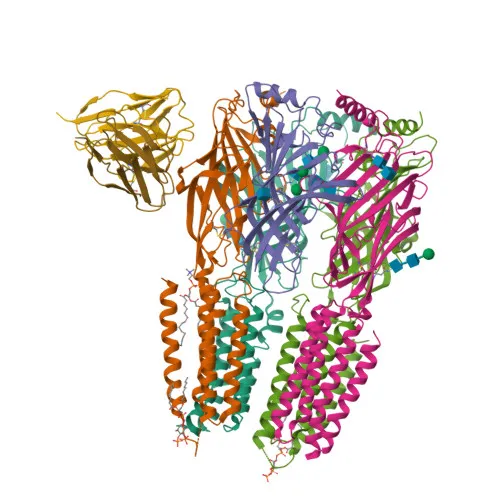
- GABRB1 encodes the beta-1 subunit of the heteropentameric gamma-aminobutyric acid type A receptor (GABAAR), a ligand-gated chloride channel that mediates the majority of fast synaptic inhibition in the central nervous system. Related references: PMID:10449790 PMID:16412217 PMID:26950270
- Functional GABAARs typically consist of two alpha, two beta, and one gamma or delta subunit, with the GABA binding site located at the alpha/beta interface; the beta-1 subunit contributes to the chloride ion pore and channel gating.
- Beta-containing GABAARs can simultaneously bind histamine at the interface of two neighboring beta subunits, suggesting a modulatory role in arousal, sleep, and wakefulness (By similarity).
- The receptor is localized to the postsynaptic cell membrane, where GABA binding triggers chloride influx, hyperpolarizing the neuron and reducing its excitability. Related references: PMID:10449790 PMID:16412217 PMID:26950270
- Alternative splicing produces multiple GABRB1 isoforms; the protein undergoes N-linked glycosylation and contains an extracellular disulfide bond characteristic of the cys-loop receptor family.
- Mutations in GABRB1 are linked to developmental and epileptic encephalopathy (DEE45/EIEE45) and other epilepsy syndromes, underscoring its essential role in neuronal network stability.
Experimental Guidance and Technical Tips
- The immunogen corresponds to a synthetic peptide within the intracellular domain (amino acids 350–450), a region conserved across human, mouse, and rat, consistent with the reported cross-reactivity.
- For Western blot, use brain tissue or neuronal cell lysates; the predicted molecular weight is ~54 kDa, but glycosylation may cause a shift to a higher apparent mass.
- In ELISA applications, the immunizing peptide can serve as a positive control; validate under your specific coating and detection conditions.
- As a rabbit monoclonal antibody, expect high lot-to-lot consistency; always include appropriate negative controls and perform titration for optimal signal-to-noise ratios.
CamelBio: Your One-Stop Sourcing Bridge
CamelBio is a specialized one-stop platform that connects diagnostic manufacturers and laboratories with high-quality IVD raw materials, including validated antibody pairs, monoclonal antibodies, and ancillary reagents. For neuroscience-focused assay development, we offer reliable access to GABA receptor antibodies and custom sourcing for related targets. Contact us to discuss bulk supply, customized packaging, or technical consultation tailored to your project.
Product Datasheet
Anti-GABA A Receptor beta 1 (GABRB1) Monoclonal Antibody for WB, ELISA - P18505
REQUEST A QUOTE
Our professional team will reply to you within one business day. Please feel free to contact us!