Monoclonal Antibodies
Anti-G6PD Rabbit Monoclonal Antibody for WB, IHC-P, IF/ICC, ELISA - P11413
Item Number : CM0011775
Price varies based on specs and customizations
- Application
- WB, IHC-P, IF/ICC, ELISA
- Cross Reactivity
- Human, Mouse, Rat
- Protein Weight
- 60kDa

Shipping:
Contact us to get shipping details Enjoy On-time Dispatch Guarantee.
Why Choose Us
Easy ordering process, quality products, and dedicated support for your business success.
Core Product Specifications and Parameters
| Parameter | Value |
|---|---|
| Product Name | G6PD Rabbit mAb |
| Remarks/Alias | G6PD1 |
| Species | Human |
| GeneID (Human) | 2539 |
| GeneID | 2539 |
| Immunogen | Synthetic peptide corresponding to a sequence within amino acids 416-515 of human G6PD (NP_001035810.1) |
| Source | Rabbit |
| Category | Monoclonal Antibodies |
| Application | WB, IHC-P, IF/ICC, ELISA |
| Cross Reactivity | Human, Mouse, Rat |
| SWISS | P11413 |
| Protein Weight | 60kDa |
| Shipping | Ice bag |
Biological Background: G6PD Function and Localization
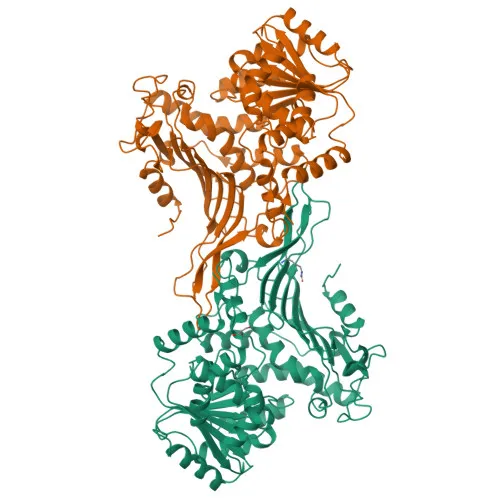
- G6PD is a glucose-6-phosphate 1-dehydrogenase enzyme encoded by the G6PD gene, with a calculated molecular weight of approximately 59 kDa (isoform Long).
- It catalyzes the rate-limiting step of the oxidative pentose-phosphate pathway, generating NADPH and ribose-5-phosphate, which are critical for maintaining cellular redox balance and providing precursors for fatty acid and nucleic acid biosynthesis.
- Additionally, G6PD converts NAADPH back to NAADP, regulating Ca²⁺ signaling during T cell activation. Related references: PMID:34784249
- G6PD is primarily localized in the cytoplasm, cytosol, and is also associated with the membrane.
- Multiple isoforms exist due to alternative splicing; the Long isoform is predominantly expressed in lymphoblasts, granulocytes, and sperm.
- Post-translational modifications include acetylation, hydroxylation, and phosphorylation, which may influence enzyme activity and stability.
- Mutations in G6PD are associated with hereditary hemolytic anemia, making it one of the most common enzymopathies worldwide.
- As a key metabolic enzyme, G6PD is also involved in protecting cells from oxidative stress by producing NADPH for glutathione recycling.
Experimental Guidance and Technical Tips
- The immunogen corresponds to a C-terminal peptide (aa 416-515) of human G6PD; consider that this epitope may be conserved across human, mouse, and rat as indicated by cross-reactivity data.
- For western blotting, a band at ~60 kDa is expected; validate the antibody in your sample system using appropriate positive and negative controls.
- For IHC-P and IF/ICC, optimize fixation and permeabilization steps, and include isotype controls to confirm staining specificity.
- For ELISA applications, titrate the antibody as both capture and detection reagent to determine optimal working concentrations.
- As a rabbit monoclonal antibody, it offers high specificity and low background; pre-absorption with the immunogen peptide can be used to confirm signal specificity if needed.
CamelBio: Your One-Stop Sourcing Bridge
CamelBio offers diagnostic manufacturers and research laboratories streamlined access to high-quality IVD raw materials. In addition to this G6PD antibody for metabolic and redox research, we supply validated antibody pairs, optimized recombinant proteins, and bulk ancillary reagents. Our team also supports custom sourcing of rare-target raw materials, helping you accelerate assay development from concept to clinic.
REQUEST A QUOTE
Our professional team will reply to you within one business day. Please feel free to contact us!