Polyclonal Antibodies
Anti-FZD8 Rabbit Polyclonal Antibody for WB and ELISA - Q9H461
Item Number : CM0023335
Price varies based on specs and customizations
- Application
- WB, ELISA
- Cross Reactivity
- Human, Mouse, Rat
- Protein Weight
- 73kDa

Shipping:
Contact us to get shipping details Enjoy On-time Dispatch Guarantee.
Why Choose Us
Easy ordering process, quality products, and dedicated support for your business success.
Core Product Specifications and Parameters
| Parameter | Value |
|---|---|
| Product Name | FZD8 Rabbit pAb |
| Remarks/Alias | FZ-8; hFZ8; FZD8 |
| Species | Human |
| GeneID (Human) | 8325 |
| GeneID | 8325 |
| Immunogen | Recombinant fusion protein containing a sequence corresponding to amino acids 130-275 of human FZD8 (NP_114072.1). |
| Source | Rabbit |
| Category | Polyclonal Antibodies |
| Application | WB, ELISA |
| Cross Reactivity | Human, Mouse, Rat |
| SWISS | Q9H461 |
| Protein Weight | 73kDa |
| Shipping | Ice bag |
Biological Background: Frizzled-8 Function and Localization
- Frizzled-8 (FZ-8/hFZ8) is a receptor for Wnt proteins and a component of the Wnt-Fzd-LRP5-LRP6 complex, triggering canonical beta-catenin signaling.
- It induces aggregation of receptor-ligand complexes into signalosomes, leading to activation of disheveled proteins, inhibition of GSK-3 kinase, and nuclear accumulation of beta-catenin.
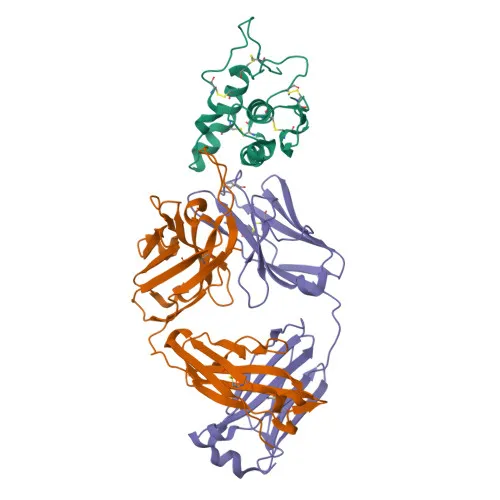
- FZD8 belongs to the Frizzled family of G protein-coupled receptors, featuring a signal peptide, extracellular cysteine-rich domain, seven transmembrane domains, and intracellular tail.
- A second signaling pathway involving PKC and calcium fluxes has been observed for some Frizzled members; FZD8 may also participate, with both pathways potentially involving G proteins.
- Subcellularly, Frizzled-8 is localized to the membrane, Golgi apparatus, and cell membrane, consistent with its trafficking and signaling roles.
- Tissue expression is highest in fetal kidney, brain, and lung; in adults, it is found in kidney, heart, pancreas, and skeletal muscle.
- Post-translational modifications include disulfide bonds (critical for ligand binding), glycosylation, and ubiquitination; the protein is also identified by proteomics.
- Frizzled-8 may be involved in transduction and intercellular transmission of polarity information during tissue morphogenesis and/or in differentiated tissues.
Experimental Guidance and Technical Tips
- The immunogen corresponds to amino acids 130-275 of human FZD8, a region within the extracellular domain likely involved in Wnt binding. This design may yield antibodies that recognize the native conformation.
- For WB, consider using lysates from tissues with reported FZD8 expression such as kidney, brain, or lung. Due to glycosylation, the observed band may migrate higher than the predicted 73 kDa.
- In ELISA, the antibody can be used to detect recombinant or native FZD8. Include appropriate positive and negative controls to ensure signal specificity.
- Validate reactivity in your specific experimental system, as cross-reactivity with mouse and rat is indicated but may require confirmation.
CamelBio: Your One-Stop Sourcing Bridge
CamelBio offers diagnostic manufacturers, laboratories, and research institutes a one-stop access to IVD raw materials, technical services, and consulting—supporting projects from concept to clinic. This anti-FZD8 antibody is tailored for applications like WB and ELISA, serving as a valuable tool for studies in Wnt signaling, developmental biology, and oncology. Through our supply network, we provide validated antibody pairs, optimized monoclonal/polyclonal antibodies, bulk ancillary reagents, and rare target raw-material sourcing to streamline your procurement and accelerate development.
REQUEST A QUOTE
Our professional team will reply to you within one business day. Please feel free to contact us!