Polyclonal Antibodies
Anti-FZD4 Rabbit Polyclonal Antibody for WB, IHC-P, ELISA - Q9ULV1
Item Number : CM0028027
Price varies based on specs and customizations
- Application
- WB, IHC-P, ELISA
- Cross Reactivity
- Human, Mouse, Rat
- Protein Weight
- 60kDa

Shipping:
Contact us to get shipping details Enjoy On-time Dispatch Guarantee.
Why Choose Us
Easy ordering process, quality products, and dedicated support for your business success.
Core Product Specifications and Parameters
| Parameter | Value |
|---|---|
| Product Name | FZD4 Rabbit pAb |
| Remarks/Alias | Fz4; EVR1; FEVR; Fz-4; FzE4; GPCR; hFz4; CD344; FZD4S; FZD4 |
| Species | Human |
| Gene ID (Human) | 8322 |
| Gene ID | 8322 |
| Immunogen | Recombinant fusion protein containing a sequence corresponding to amino acids 42-179 of human FZD4 (NP_036325.2). |
| Source | Rabbit |
| Category | Polyclonal Antibodies |
| Application | WB, IHC-P, ELISA |
| Cross Reactivity | Human, Mouse, Rat |
| SWISS | Q9ULV1 |
| Protein Weight | 60kDa |
| Shipping | Ice bag |
Biological Background: Frizzled-4 Function and Localization
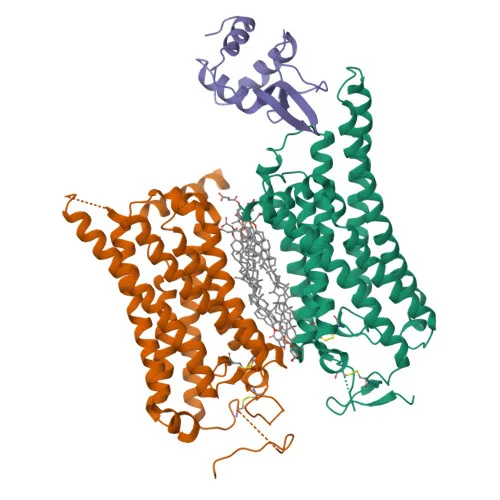
- Frizzled-4 (FZD4) is a receptor for Wnt proteins, coupling to the beta-catenin canonical signaling pathway, leading to activation of disheveled proteins, inhibition of GSK-3 kinase, nuclear accumulation of beta-catenin, and activation of Wnt target genes (PubMed:30135577). Related references: PMID:30135577
- FZD4 plays a critical role in retinal vascularization by acting as a receptor for both Wnt proteins and norrin (NDP), promoting beta-catenin accumulation and LEF/TCF-mediated transcription.
- A second signaling pathway involving PKC and calcium fluxes has been observed for some frizzled family members, but its relationship to the canonical pathway and dependence on G proteins is not yet fully elucidated.
- Frizzled-4 is a multi-pass transmembrane receptor localized to the cell membrane, featuring a signal peptide and a cysteine-rich extracellular domain critical for ligand binding.
- Post-translational modifications include glycosylation, disulfide bond formation, and ubiquitin conjugation, contributing to its structural and functional regulation.
- FZD4 is almost ubiquitously expressed, with highest levels in adult heart, skeletal muscle, ovary, and fetal kidney, and moderate amounts in liver, kidney, pancreas, spleen, and fetal lung (PubMed:10544037). Related references: PMID:10544037
- Belongs to the G-protein coupled receptor Fz/Smo family and participates in developmental processes, tissue morphogenesis, and intercellular transmission of polarity information.
Experimental Guidance and Technical Tips
- The immunogen (amino acids 42-179) targets the extracellular N-terminal region, which may allow detection of both native and denatured forms; consider optimizing conditions for each application individually.
- For WB, a major band around 60kDa is expected; be aware that post-translational modifications could cause slight shifts in migration.
- In IHC-P, antigen retrieval steps should be optimized for the extracellular epitope; staining is anticipated at the cell membrane.
- Cross-reactivity to mouse and rat is indicated, making it suitable for translational studies, but verify with appropriate species-specific controls.
CamelBio: Your One-Stop Sourcing Bridge
This FZD4 polyclonal antibody supports research into Wnt signaling and retinal vascularization, critical for developmental biology and disease studies. CamelBio offers validated antibody pairs, optimized monoclonal/polyclonal antibodies, bulk ancillary reagents, and rare target raw-material sourcing to streamline your diagnostic development from concept to clinic.
REQUEST A QUOTE
Our professional team will reply to you within one business day. Please feel free to contact us!