Monoclonal Antibodies
Anti-FXR/NR1H4 Rabbit Monoclonal Antibody for WB, IHC-P, ELISA - Q96RI1
Item Number : CM0006924
Price varies based on specs and customizations
- Application
- WB, IHC-P, ELISA
- Cross Reactivity
- Human, Mouse, Rat
- Protein Weight
- 48 kDa/54/kDa/55 kDa/56 kDa

Shipping:
Contact us to get shipping details Enjoy On-time Dispatch Guarantee.
Why Choose Us
Easy ordering process, quality products, and dedicated support for your business success.
Core Product Specifications and Parameters
| Parameter | Value |
|---|---|
| Product Name | FXR/NR1H4 Rabbit mAb |
| Remarks/Alias | BAR; FXR; HRR1; HRR-1; PFIC5; RIP14; FXR/NR1H4 |
| Species | Human |
| Gene ID (Human) | 9971 |
| Gene ID | 9971 |
| Immunogen | Recombinant fusion protein containing a sequence corresponding to amino acids 1-230 of human FXR/NR1H4 (NP_001193922.1). |
| Source | Rabbit |
| Category | Monoclonal Antibodies |
| Application | WB, IHC-P, ELISA |
| Cross Reactivity | Human, Mouse, Rat |
| SWISS | Q96RI1 |
| Protein Weight | 48 kDa/54/kDa/55 kDa/56 kDa |
| Shipping | Ice bag |
Biological Background: FXR/NR1H4 Function and Localization
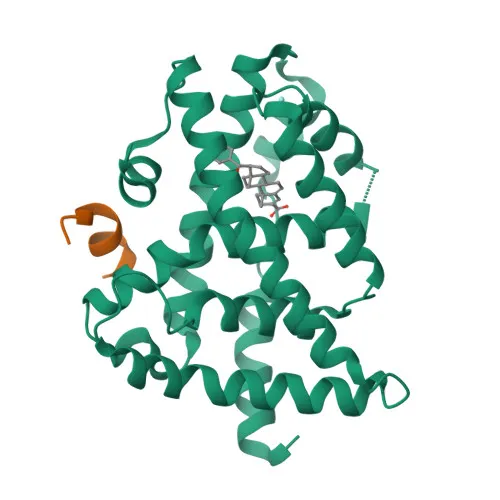
- FXR (NR1H4) is a ligand-activated nuclear receptor that functions as a bile acid sensor, activated by primary and secondary bile acids including chenodeoxycholic acid (CDCA), lithocholic acid, deoxycholic acid (DCA), and allocholic acid (ACA). Related references: PMID:10334992, PMID:10334993, PMID:21383957
- It orchestrates hepatic bile acid homeostasis by regulating genes involved in synthesis, conjugation, transport, and detoxification. For example, it indirectly represses CYP7A1 and CYP8B1 via NR0B2/SHP, activates SLC27A5/BACS and BAAT for conjugation, and induces ABCB11/BSEP, ABCC2/MRP2, ABCB4, and SLC10A1/NTCP for transport. Related references: PMID:12754200, PMID:15471871, PMID:17895379, PMID:10514450, PMID:15239098, PMID:16269519
- In the intestine, FXR promotes FGF19 expression and secretion, which signals to the liver to repress CYP7A1, thereby integrating intestinal bile acid sensing with hepatic synthesis. Related references: PMID:12815072, PMID:19085950
- FXR modulates lipid metabolism by regulating genes such as SREBF1 (lipogenesis), PLTP (HDL formation), SCARB1 (HDL uptake), APOE, APOC1, APOC4, PPARA (fatty acid oxidation), VLDLR, SDC1 (LDL/IDL uptake), MTTP (VLDL assembly), APOC2 (triglyceride clearance), APOA1, ANGPTL3, and APOC3 (triglyceride clearance inhibitors). Related references: PMID:12554753, PMID:12660231, PMID:15337761, PMID:11579204, PMID:11927623, PMID:21804189, PMID:12891557
- It contributes to glucose homeostasis by suppressing hepatic gluconeogenesis and modulating insulin secretion and sensitivity. Related references: PMID:20447400
- FXR plays an anti-inflammatory role in the liver and intestine, down-regulating pro-inflammatory cytokine expression and mediating trans-repression of TLR4-induced cytokines through sumoylation-dependent prevention of N-CoR clearance from target gene promoters. Related references: PMID:21242261, PMID:19864602
- Alternative splicing generates multiple isoforms (e.g., FXRalpha1 and FXRalpha2) with distinct tissue distribution: liver predominantly expresses FXRalpha1-type isoforms (isoforms 3 and 4), while intestine and kidney predominantly express FXRalpha2-type (isoforms 1 and 2). These isoforms display differential sensitivity to bile acid ligands and target gene activation profiles.
- FXR localizes predominantly to the nucleus, where it binds to response elements as a heterodimer with RXR. It is subject to post-translational modifications including acetylation, methylation, phosphorylation, and sumoylation, which fine-tune its transcriptional activity and protein interactions.
Experimental Guidance and Technical Tips
- The immunogen corresponds to the N-terminal region (amino acids 1–230) of human FXR/NR1H4, which may enable recognition of multiple isoforms. For Western blotting, expect multiple bands corresponding to the reported protein weights of 48, 54, 55, and 56 kDa; consider including appropriate positive controls and molecular weight markers.
- For immunohistochemistry (IHC-P), validation in tissues with known FXR expression such as liver or intestine is recommended. Antigen retrieval conditions and antibody dilution should be optimized empirically for the specific sample type.
- ELISA can be employed for screening or quantification of FXR in cell lysates or recombinant protein preparations. Application-specific optimization of the assay format and antibody concentration is advised.
- If working with mouse or rat samples, confirm cross-reactivity in the relevant experimental system, as the antibody is reported to cross-react with both species.
CamelBio: Your One-Stop Sourcing Bridge
CamelBio is your comprehensive partner for IVD raw materials, technical services, and consulting, supporting diagnostic manufacturers and research institutions from concept to clinic. Beyond this FXR antibody, we provide validated antibody pairs, optimized monoclonal and polyclonal antibodies, and bulk ancillary reagents tailored for nuclear receptor and metabolic disease research. Our team also excels in sourcing rare-target raw materials, helping you accelerate assay development and secure a reliable supply chain.
Product Datasheet
Anti-FXR/NR1H4 Rabbit Monoclonal Antibody for WB, IHC-P, ELISA - Q96RI1
REQUEST A QUOTE
Our professional team will reply to you within one business day. Please feel free to contact us!