Polyclonal Antibodies
Anti-FOXP3 Polyclonal Antibody for WB, ELISA - Q99JB6
Item Number : CM0028464
Price varies based on specs and customizations
- Application
- WB, ELISA
- Cross Reactivity
- Mouse
- Protein Weight
- 47kDa

Shipping:
Contact us to get shipping details Enjoy On-time Dispatch Guarantee.
Why Choose Us
Easy ordering process, quality products, and dedicated support for your business success.
Core Product Specifications and Parameters
| Parameter | Value |
|---|---|
| Product Name | FOXP3 Rabbit pAb |
| Remarks/Alias | sf; JM2; scurfin |
| Species | Mouse |
| Gene ID (Human) | 50943 |
| Gene ID | 20371 |
| Immunogen | Synthetic peptide corresponding to a sequence within amino acids 1-100 of mouse FOXP3 (NP_473380.1) |
| Source | Rabbit |
| Category | Polyclonal Antibodies |
| Application | WB, ELISA |
| Cross Reactivity | Mouse |
| SWISS | Q99JB6 |
| Protein Weight | 47kDa |
| Shipping | Ice bag |
Biological Background: FOXP3 Function and Localization
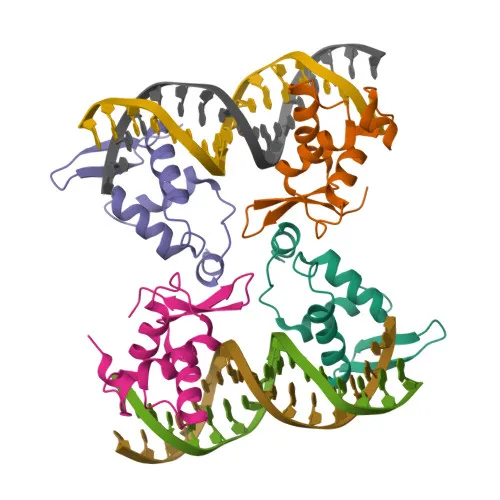
- FOXP3 (Forkhead box protein P3), also known as Scurfin, is a transcription factor essential for the development and suppressive function of regulatory T-cells (Tregs). Related references: PMID:22813742
- FOXP3 drives Treg suppressive activity by activating CTLA4 and TNFRSF18 and repressing IL2 and IFNG, partly through inhibition of RELA and NFATC2. Related references: PMID:15790681
- Through interaction with RUNX1, FOXP3 can activate IL2RA and CTLA4 while repressing IL2 and IFNG, highlighting its dual regulatory role. Related references: PMID:17377532
- FOXP3 inhibits Th17 cell differentiation by antagonizing the transcriptional activity of RORC, thereby downregulating IL17 expression and promoting Treg lineage commitment. Related references: PMID:18368049
- Interaction with IKZF4 enables FOXP3 to repress IL2 and IFNG expression, further modulating immune responses. Related references: PMID:19696312
- The protein contains a zinc-finger domain and undergoes acetylation, phosphorylation, and ubiquitination, which modulate its transcriptional activity and stability.
- FOXP3 is primarily localized in the nucleus, with some cytoplasmic presence, and is highly expressed in thymus and spleen tissues.
Experimental Guidance and Technical Tips
- The immunogen corresponds to the N-terminal region (amino acids 1-100) of mouse FOXP3; therefore, the antibody may recognize the full-length protein in applications such as Western blotting and ELISA.
- For Western blot, a band at approximately 47 kDa is expected; use reducing conditions and validate with positive control samples from mouse thymus or spleen tissues where FOXP3 is highly expressed.
- For ELISA, consider optimizing coating conditions and using a matched detection antibody for sandwich ELISA formats, if needed.
- Since FOXP3 is a low-abundance transcription factor, enrichment strategies or higher sample loading may improve detection sensitivity.
CamelBio: Your One-Stop Sourcing Bridge
CamelBio provides diagnostic manufacturers and researchers with a streamlined supply of IVD raw materials, including validated antibodies for immunology targets like FOXP3. Beyond standard catalog products, we support bulk ordering, custom antibody development, and access to rare reagents, helping you accelerate assay development from concept to clinic.
REQUEST A QUOTE
Our professional team will reply to you within one business day. Please feel free to contact us!