Polyclonal Antibodies
Anti-FNTB Rabbit Polyclonal Antibody for WB, ELISA - P49356
Item Number : CM0020667
Price varies based on specs and customizations
- Application
- WB, ELISA
- Cross Reactivity
- Human, Mouse, Rat
- Protein Weight
- 49kDa

Shipping:
Contact us to get shipping details Enjoy On-time Dispatch Guarantee.
Why Choose Us
Easy ordering process, quality products, and dedicated support for your business success.
Core Product Specifications and Parameters
| Parameter | Details |
|---|---|
| Product Name | FNTB Rabbit pAb |
| Remarks/Alias | FPTB; FNTB |
| Species | Human |
| Gene ID | 2342 |
| Immunogen | Recombinant fusion protein containing a sequence corresponding to amino acids 1-120 of human FNTB (NP_002019.1) |
| Source | Rabbit |
| Category | Polyclonal Antibodies |
| Application | WB, ELISA |
| Cross Reactivity | Human, Mouse, Rat |
| SWISS | P49356 |
| Protein Weight | 49kDa |
| Shipping | Ice bag |
Biological Background: FNTB Function and Localization
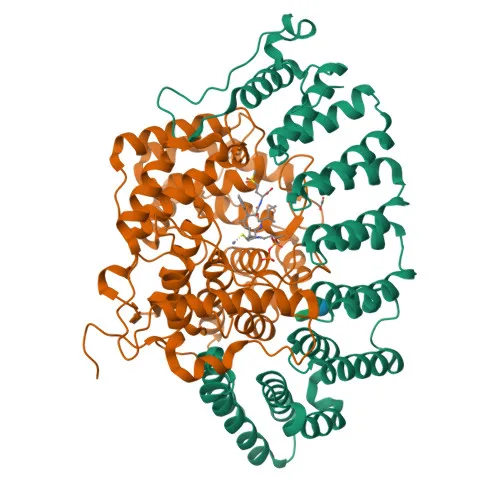
- FNTB encodes the beta subunit of protein farnesyltransferase, which forms a heterodimer with the alpha subunit (FNTA) to catalyze protein prenylation.
- The enzyme transfers a farnesyl group from farnesyl diphosphate to a cysteine residue in the C-terminal CAAX motif (Cys-aliphatic-aliphatic-X) of substrate proteins, including Ras family proteins.
- This post-translational modification facilitates membrane localization and protein-protein interactions critical for signal transduction and cellular growth regulation.
- Alternative splicing of FNTB generates multiple isoforms, which may have distinct functional roles or tissue distributions.
- The protein contains multiple repeat domains and binds zinc, as indicated by its classification under "Repeat" and "Zinc" keywords, which are essential for its catalytic activity and structural integrity.
- Phosphorylation of FNTB, noted under "Phosphoprotein", suggests potential regulation by kinases, possibly affecting enzyme activity or substrate interactions.
- FNTB is involved in lipid metabolism and has been detected in comprehensive proteomics analyses, highlighting its broad cellular significance.
Experimental Guidance and Technical Tips
- The immunogen, an N-terminal recombinant fragment (aa 1-120), is expected to detect all FNTB isoforms; however, verify isoform specificity in your target tissue or cell line.
- For Western blotting, the predicted molecular weight is approximately 49 kDa; use reducing conditions and a suitable lysis buffer to ensure proper solubilization of this cytosolic protein.
- Cross-reactivity with mouse and rat FNTB is reported; therefore, this antibody can be used for interspecies studies, but confirm reactivity in your specific model system.
- For ELISA applications, optimize the coating antigen concentration and antibody dilution to achieve the best signal-to-noise ratio.
- Consider using a positive control sample known to express FNTB, such as cell lines with active Ras signaling, to validate antibody performance.
CamelBio: Your One-Stop Sourcing Bridge
CamelBio offers diagnostic manufacturers and research laboratories streamlined access to high-quality IVD raw materials, including validated antibodies for critical targets like FNTB in signal transduction and cancer research. Our comprehensive portfolio covers monoclonal and polyclonal antibodies, bulk ancillary reagents, and specialized sourcing for rare targets, helping you accelerate from concept to clinical application. Whether you need characterized antibody pairs or scalable raw materials, CamelBio is your reliable partner for seamless procurement and technical support.
REQUEST A QUOTE
Our professional team will reply to you within one business day. Please feel free to contact us!