Polyclonal Antibodies
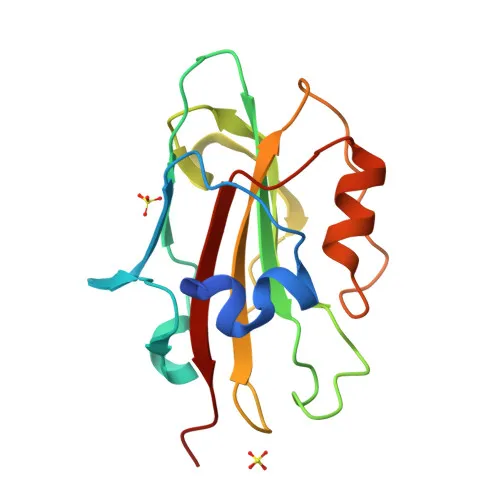
Anti-FLOWERING LOCUS T (FT) Polyclonal Antibody for WB, ELISA - Q9SXZ2
Item Number : CM0022652
Price varies based on specs and customizations
- Application
- WB, ELISA
- Cross Reactivity
- Arabidopsis thaliana
- Protein Weight
- 20kDa

Shipping:
Contact us to get shipping details Enjoy On-time Dispatch Guarantee.
Why Choose Us
Easy ordering process, quality products, and dedicated support for your business success.
Core Product Specifications and Parameters
| Parameter | Value |
|---|---|
| Product Name | FT Rabbit pAb |
| Remarks/Alias | F5I14.3; F5I14_3; FLOWERING LOCUS T; REDUCED STEM BRANCHING 8; RSB8; FT |
| Species | Arabidopsis thaliana |
| GeneID | 842859 |
| Immunogen | Synthetic peptide|A synthetic peptide corresponding to a sequence within amino acids 70-150 of arabidopsis thaliana FT (NP_176726.1). |
| Source | Rabbit |
| Category | Polyclonal Antibodies |
| Application | WB, ELISA |
| Cross Reactivity | Arabidopsis thaliana |
| SWISS | Q9SXZ2 |
| Protein Weight | 20kDa |
| Shipping | Ice bag |
Biological Background: FT Function and Localization
- FT (FLOWERING LOCUS T) is a key component of the mobile florigen signal that promotes the transition from vegetative to reproductive growth in Arabidopsis thaliana.
- It is required for the accumulation of floral meristem identity genes such as SEPALLATA3 (SEP3) and FRUITFULL (FUL) in mature rosette leaves, and acts in parallel with LEAFY to induce APETALA1 expression.
- FT protein is translated in leaf vasculature and then transported via the phloem to the shoot apical meristem, where it activates transcription of floral meristem identity genes.
- Subcellularly, FT localizes to the cytoplasm, nucleus, and endoplasmic reticulum, consistent with its trafficking and signaling roles.
- The FT gene undergoes alternative splicing, and the protein is classified as a developmental protein involved in differentiation and flowering.
- It functions within both the autonomous and photoperiod (long-day) flowering pathways, integrating environmental and endogenous cues.
Experimental Guidance and Technical Tips
- The immunogen corresponds to a central region (aa 70-150) of FT, which may provide specificity for the native protein. For Western blot, consider using whole-cell extracts from Arabidopsis leaf tissue, as FT is expressed in leaf vasculature.
- Due to the low molecular weight (~20 kDa), ensure appropriate gel percentage (e.g., 12-15% SDS-PAGE) and membrane pore size for efficient transfer.
- For ELISA, the antibody could be used to detect recombinant FT or in capture/detection formats; validate with appropriate controls and standard curves.
- Note that FT may be present at low abundance; enrichment from vascular tissue or induction under long-day conditions may improve detection.
CamelBio: Your One-Stop Sourcing Bridge
CamelBio supports researchers and diagnostic developers with comprehensive sourcing for plant biology reagents, including validated antibodies against key florigen proteins like FT. Beyond this antibody, we offer optimized polyclonal and monoclonal antibodies, bulk ancillary reagents, and custom sourcing for rare targets to accelerate your IVD assay development.
Product Datasheet
Anti-FLOWERING LOCUS T (FT) Polyclonal Antibody for WB, ELISA - Q9SXZ2
REQUEST A QUOTE
Our professional team will reply to you within one business day. Please feel free to contact us!