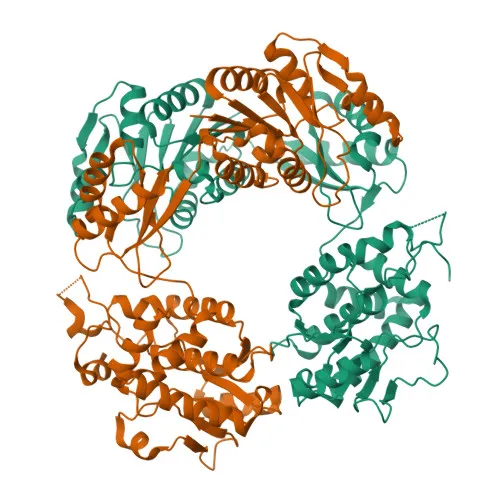
Polyclonal Antibodies
Anti-FLAD1 Rabbit Polyclonal Antibody for WB, ELISA - Q8NFF5
Item Number : CM0013160
Price varies based on specs and customizations
- Application
- WB, ELISA
- Cross Reactivity
- Human, Mouse
- Protein Weight
- 65kDa

Shipping:
Contact us to get shipping details Enjoy On-time Dispatch Guarantee.
Why Choose Us
Easy ordering process, quality products, and dedicated support for your business success.
Core Product Specifications and Parameters
| Parameter | Value |
|---|---|
| Product Name | FLAD1 Rabbit pAb |
| Remarks/Alias | FAD1; FADS; PP591; LSMFLAD; FLAD1 |
| Species | Human |
| Gene ID | 80308 |
| Immunogen | Recombinant fusion protein containing a sequence corresponding to amino acids 388-587 of human FLAD1 (NP_079483.3). |
| Source | Rabbit |
| Category | Polyclonal Antibodies |
| Application | WB, ELISA |
| Cross Reactivity | Human, Mouse |
| SWISS | Q8NFF5 |
| Protein Weight | 65kDa |
| Shipping | Ice bag |
Biological Background: FLAD1 Function and Localization
- FLAD1 encodes bifunctional FAD diphosphatase/FAD synthase that regulates flavin cofactor homeostasis (FAD and FMN) (PubMed:16643857, PubMed:21924249, PubMed:21951714). Related references: PMID:16643857 PMID:21924249 PMID:21951714
- FAD synthase catalyzes ATP-dependent adenylation of FMN to generate FAD, while FAD diphosphatase hydrolyzes FAD to FMN; the balance is influenced by redox-sensitive cysteine residues (PubMed:26277395, PubMed:31351152, PubMed:25135855). Related references: PMID:26277395 PMID:31351152 PMID:25135855
- The protein also acts as a FAD chaperone, facilitating delivery of FAD to client apo-flavoproteins (PubMed:25954742). Related references: PMID:25954742
- FLAD1 localizes to multiple compartments including the nucleus, mitochondrial matrix, and cytosol, reflecting its diffuse role in flavin metabolism.
- Alternative splicing produces multiple isoforms, and the protein undergoes post-translational modifications such as acetylation and phosphorylation.
- FLAD1 utilizes roseoflavin mononucleotide (RoFMN) as a substrate to form RoFAD, linking it to antibiotic sensitivity pathways (PubMed:21924249). Related references: PMID:21924249
- Mutations in FLAD1 are associated with primary mitochondrial disease (flavoprotein deficiency), highlighting its clinical relevance.
Experimental Guidance and Technical Tips
- The immunogen used for this antibody corresponds to the C-terminal region (aa 388–587) of human FLAD1, which is expected to detect the full-length endogenous protein.
- For Western blotting, the predicted molecular weight is approximately 65 kDa; consider using appropriate molecular weight markers and a loading control.
- When performing ELISA, titrate antibody concentration and validate with recombinant FLAD1 protein or cell lysates expressing FLAD1.
- Due to FLAD1's multi-compartment localization, consider nuclear/cytoplasmic fractionation for enrichment before detection.
CamelBio: Your One-Stop Sourcing Bridge
CamelBio provides diagnostic manufacturers and research laboratories with one-stop access to validated IVD raw materials including antibody pairs, monoclonal/polyclonal antibodies, and ancillary reagents. Our FLAD1 polyclonal antibody caters to flavin metabolism and mitochondrial disease research, and we support custom sourcing for rare targets. Partner with CamelBio to streamline your supply chain from concept to clinic.
REQUEST A QUOTE
Our professional team will reply to you within one business day. Please feel free to contact us!