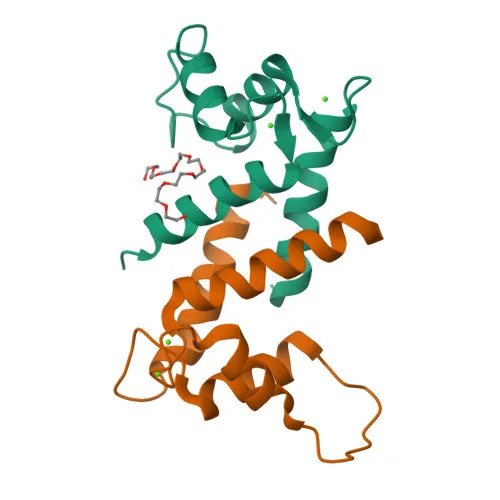
Monoclonal Antibodies
Anti-Filaggrin (FLG) Rabbit Monoclonal Antibody for IF-P, IHC-P, ELISA - P20930
Item Number : CM0011238
Price varies based on specs and customizations
- Application
- IF-P, IHC-P, ELISA
- Cross Reactivity
- Human
- Protein Weight
- 435kDa

Shipping:
Contact us to get shipping details Enjoy On-time Dispatch Guarantee.
Why Choose Us
Easy ordering process, quality products, and dedicated support for your business success.
Core Product Specifications and Parameters
| Parameter | Value |
|---|---|
| Product Name | FLG Rabbit mAb |
| Remarks/Alias | FLG1, ATOD2, FLG-1 |
| Species | Human |
| GeneID | 2312 |
| Immunogen | Recombinant fragment |
| Source | Rabbit |
| Category | Monoclonal Antibodies |
| Application | IF-P, IHC-P, ELISA |
| Cross Reactivity | Human |
| SWISS | P20930 |
| Protein Weight | 435kDa |
| Shipping | Ice bag |
Biological Background: Filaggrin Function and Localization
- Filaggrin (FLG, also known as FLG1, ATOD2, FLG-1) is a large, highly phosphorylated protein encoded by the FLG gene (GeneID: 2312) and plays an essential role in epidermal terminal differentiation.
- It aggregates keratin intermediate filaments into dense, aligned macrofibrils, contributing to the structural integrity of the stratum corneum.
- Filaggrin also promotes disulfide-bond formation among keratin intermediate filaments, further stabilizing the keratin network during cornification.
- The protein localizes to cytoplasmic keratohyalin granules in the granular layer of the epidermis, and is released upon terminal differentiation to form the cornified cell envelope.
- Expression is predominantly in the skin, particularly in the stratum granulosum, but is also detected in other epithelial tissues such as thymus, stomach, tonsils, testis, placenta, kidney, pancreas, mammary gland, bladder, thyroid, salivary gland, and trachea (PubMed:19384417, PubMed:1429717). Related references: PMID:19384417 PMID:1429717
- Post-translational modifications include extensive phosphorylation, citrullination, and calcium binding, which regulate its proteolytic processing and function (Keywords: Phosphoprotein, Citrullination, Calcium).
- Mutations in FLG are associated with ichthyosis vulgaris and atopic dermatitis (ATOD2), highlighting its importance in skin barrier function (Keywords: Ichthyosis).
Experimental Guidance and Technical Tips
- The recombinant immunogen spans a fragment of human filaggrin; validating reactivity in endogenous human skin tissue models is recommended to confirm specificity.
- For IHC-P, antigen retrieval conditions may require optimization due to the large, repetitive structure of filaggrin; consider using heat-induced epitope retrieval at pH 6 or 9.
- For IF-P, permeabilization with 0.1–0.3% Triton X-100 is often effective for cytoplasmic granule access; test permeabilization time and detergent concentration.
- For ELISA, pairing with a second antibody against a distant epitope or using a sandwich format can improve sensitivity; validate buffer conditions independently.
CamelBio: Your One-Stop Sourcing Bridge
CamelBio provides diagnostic manufacturers and research laboratories with a single access point for validated IVD raw materials. This anti-filaggrin antibody supports epidermal biology and dermatological disease research, and is part of our broad portfolio of skin barrier-related reagents. Beyond antibodies, we offer matching antigen pairs, bulk ancillary reagents, and tailored sourcing for rare targets to streamline your assay development from concept to clinic.
Product Datasheet
Anti-Filaggrin (FLG) Rabbit Monoclonal Antibody for IF-P, IHC-P, ELISA - P20930
REQUEST A QUOTE
Our professional team will reply to you within one business day. Please feel free to contact us!