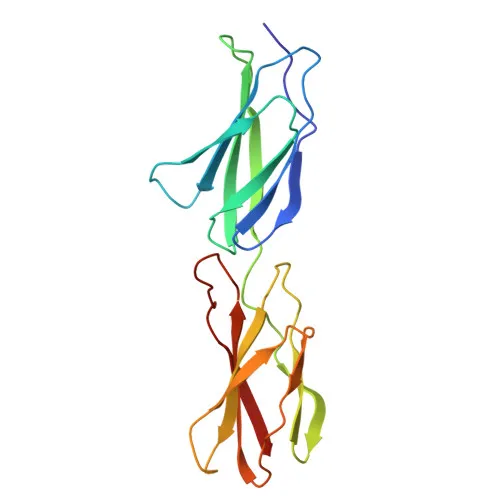
Polyclonal Antibodies
Anti-Fibronectin Polyclonal Antibody for WB, IF/ICC, ELISA - P11276
Item Number : CM0027822
Price varies based on specs and customizations
- Application
- WB, IF/ICC, ELISA
- Cross Reactivity
- Human, Mouse, Rat
- Protein Weight
- 273kDa

Shipping:
Contact us to get shipping details Enjoy On-time Dispatch Guarantee.
Why Choose Us
Easy ordering process, quality products, and dedicated support for your business success.
Core Product Specifications and Parameters
| Parameter | Value |
|---|---|
| Product Name | Fibronectin Rabbit pAb |
| Remarks/Alias | Fn; Fn-1; E330027I09 |
| Species | Mouse |
| GeneID (Human) | 2335 |
| GeneID | 14268 |
| Immunogen | Recombinant fusion protein containing a sequence corresponding to amino acids 2205-2477 of mouse Fibronectin (NP_034363.1) |
| Source | Rabbit |
| Category | Polyclonal Antibodies |
| Application | WB, IF/ICC, ELISA |
| Cross Reactivity | Human, Mouse, Rat |
| SWISS | P11276 |
| Protein Weight | 273kDa |
| Shipping | Ice bag |
Biological Background: Fibronectin Function and Localization
- Fibronectin is a high-molecular-weight glycoprotein of the extracellular matrix (ECM) that binds cell surfaces and various compounds, including collagen, fibrin, heparin, DNA, and actin.
- It plays critical roles in cell adhesion, cell motility, opsonization, wound healing, and maintenance of cell shape.
- Fibronectin participates in osteoblast compaction and regulates type I collagen deposition, essential for osteoblast mineralization. Related references: PMID:21768292
- Acts as a ligand for the Lilrb4a receptor, inhibiting Fcgr1/CD64-mediated monocyte activation. Related references: PMID:34089617
- Secreted by contracting muscle, fibronectin induces liver autophagy and systemic insulin sensitization via hepatic ITGA5:ITGB1 integrin receptor signaling.
- Fibronectin self-assembles into fibrils; anastellin and superfibronectin inhibit tumor growth, angiogenesis, and metastasis.
- Alternative splicing generates multiple isoforms; soluble plasma fibronectin is produced by hepatocytes, while insoluble cellular fibronectin is deposited by fibroblasts and epithelial cells.
- Subcellular location: Secreted into the extracellular space and ECM; tissue expression includes retina inner limiting membrane and around blood vessels.
Experimental Guidance and Technical Tips
- For Western blot, a band at ~273 kDa is expected; consider using low-percentage gels and prolonged transfer times due to the large size.
- Fibronectin may form disulfide-linked dimers; reducing conditions are recommended for monomeric band detection.
- In immunofluorescence (IF/ICC), permeabilization steps should be optimized to detect extracellular matrix deposits; cellular fibronectin often appears as a fibrillar network.
- For ELISA, this polyclonal antibody can be used as capture or detection reagent; validate pairing with monoclonal antibodies for sandwich assays.
- The immunogen maps to the C-terminal region (aa 2205–2477), conserved across human, mouse, and rat, supporting cross-reactivity; always confirm reactivity in your model system.
CamelBio: Your One-Stop Sourcing Bridge
Fibronectin is a pivotal target in ECM biology, fibrosis, and wound healing research. CamelBio offers end-to-end sourcing solutions for diagnostic manufacturers and research laboratories, from validated antibody pairs and high-quality polyclonal/monoclonal antibodies to bulk ancillary reagents and rare-target raw materials. Whether you need consistent immunoreagents or technical consulting for assay development, CamelBio bridges the gap from concept to clinical application.
REQUEST A QUOTE
Our professional team will reply to you within one business day. Please feel free to contact us!