Monoclonal Antibodies
Anti-FHL1 Monoclonal Antibody for IHC-P, ELISA - Q13642
Item Number : CM0011929
Price varies based on specs and customizations
- Application
- IHC-P, ELISA
- Cross Reactivity
- Human
- Protein Weight
- 36kDa

Shipping:
Contact us to get shipping details Enjoy On-time Dispatch Guarantee.
Why Choose Us
Easy ordering process, quality products, and dedicated support for your business success.
Core Product Specifications and Parameters
| Parameter | Value |
|---|---|
| Product Name | FHL1 Rabbit mAb |
| Remarks/Alias | KYOT, SLIM, FCMSU, FHL-1, FHL1A, FHL1B, FLH1A, SLIM1, XMPMA, RBMX1A, RBMX1B, SLIM-1, SLIMMER, FHL1 |
| Species | Human |
| GeneID | 2273 |
| Immunogen | Synthetic peptide corresponding to a sequence within amino acids 1-100 of human FHL1 (Q13642) |
| Source | Rabbit |
| Category | Monoclonal Antibodies |
| Application | IHC-P, ELISA |
| Cross Reactivity | Human |
| SWISS | Q13642 |
| Protein Weight | 36kDa |
| Shipping | Ice bag |
Biological Background: FHL1 Function and Localization
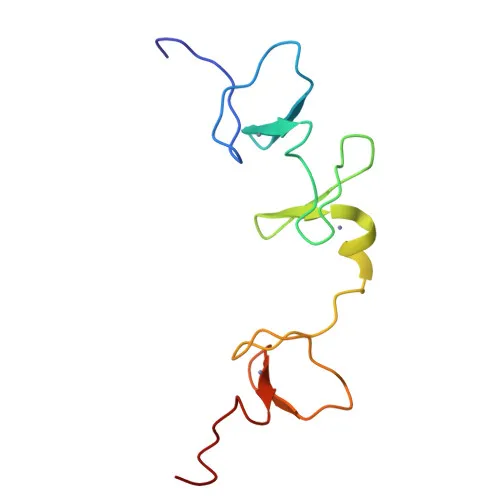
- FHL1, also known as four and a half LIM domains protein 1 or skeletal muscle LIM-protein 1 (SLIM), is a member of the LIM domain protein family characterized by zinc-finger motifs involved in protein-protein interactions.
- The protein plays a role in muscle development and hypertrophy, although the exact mechanisms remain to be fully elucidated.
- FHL1 localizes to multiple subcellular compartments, including the cytoplasm, cytosol, and nucleus, suggesting diverse functional roles.
- Isoform 1 is highly expressed in skeletal muscle and, to a lesser extent, in heart, placenta, ovary, prostate, testis, small intestine, colon, and spleen; expression is barely detectable in brain, lung, liver, kidney, pancreas, thymus, and peripheral blood leukocytes.
- Alternative splicing produces multiple isoforms with distinct tissue distributions: isoform 2 is found in brain, skeletal muscle, heart, colon, prostate, and small intestine, while isoform 3 is expressed in testis, heart, and skeletal muscle.
- Post-translational modifications include acetylation, isopeptide bond formation, and ubiquitin-like conjugation, which may regulate protein stability and function.
- Mutations in FHL1 are associated with Emery-Dreifuss muscular dystrophy and other muscle-related disorders, highlighting its clinical significance.
- The protein contains LIM domains that coordinate zinc ions, enabling structural folding and interactions with other proteins involved in development and differentiation.
Experimental Guidance and Technical Tips
- The immunogen used to generate this antibody is a synthetic peptide corresponding to the N-terminal region (amino acids 1–100) of human FHL1; this design may allow recognition of multiple isoforms that share this sequence.
- For IHC-P applications, consider optimizing antigen retrieval and antibody dilution using appropriate positive control tissues such as skeletal muscle, where FHL1 expression is highest.
- ELISA performance may be enhanced by using the peptide immunogen as a coating antigen; always validate binding in the relevant sample matrix.
- Cross-reactivity is reported for human FHL1; if using in other species, verify sequence homology and test experimentally.
CamelBio: Your One-Stop Sourcing Bridge
CamelBio provides diagnostic manufacturers, labs, and research institutes with one-stop access to IVD raw materials, technical services, and consulting—covering every stage from concept to clinic. For muscle biology and neuromuscular disease research, we offer validated antibody pairs, optimized monoclonal antibodies like this anti-FHL1 clone, bulk ancillary reagents, and custom rare-target sourcing to accelerate your assay development and production needs.
REQUEST A QUOTE
Our professional team will reply to you within one business day. Please feel free to contact us!