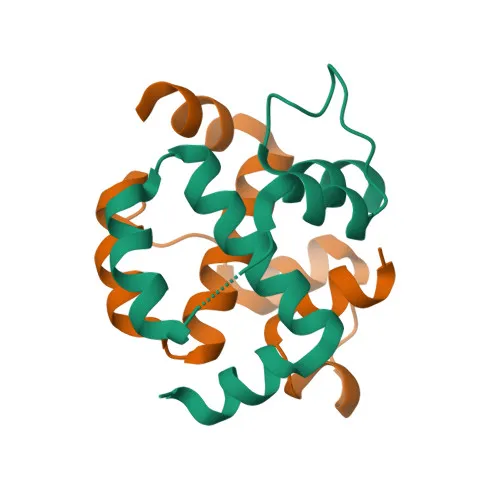
Polyclonal Antibodies
Anti-FGFR1OP Polyclonal Antibody for WB, ELISA - O95684
Item Number : CM0023727
Price varies based on specs and customizations
- Application
- WB, ELISA
- Cross Reactivity
- Mouse, Rat
- Protein Weight
- 43kDa

Shipping:
Contact us to get shipping details Enjoy On-time Dispatch Guarantee.
Why Choose Us
Easy ordering process, quality products, and dedicated support for your business success.
Core Product Specifications and Parameters
| Parameter | Value |
|---|---|
| Product Name | FGFR1OP Rabbit pAb |
| Remarks/Alias | FOP; FGFR1OP |
| Species | Human |
| GeneID (human) | 11116 |
| GeneID | 11116 |
| Immunogen | Recombinant fusion protein containing a sequence corresponding to amino acids 1-70 of human FGFR1OP (NP_919410.1) |
| Source | Rabbit |
| Category | Polyclonal Antibodies |
| Application | WB, ELISA |
| Cross Reactivity | Mouse, Rat |
| SWISS | O95684 |
| Protein Weight | 43kDa |
| Shipping | Ice bag |
Biological Background: Centrosomal Protein 43 (FGFR1OP) Function and Localization
- Centrosomal protein 43, also known as FGFR1 oncogene partner (FOP), is a ubiquitously expressed protein encoded by the CEP43 (FGFR1OP) gene. It plays a key role in centrosome and cilium biology.
- FGFR1OP is required for anchoring microtubules to centrosomes, a process critical for proper mitotic spindle positioning and intracellular trafficking. Related references: PMID:16314388, PMID:28659385
- The protein is also essential for ciliation, facilitating the assembly or maintenance of primary cilia, which are vital signaling hubs. Related references: PMID:28625565, PMID:28659385
- Subcellularly, CEP43 localizes to the centrosome, centrioles, and the basal body of cilia, anchoring the cytoskeleton to these structures.
- Tissue expression is broad, with prominent levels in heart, liver, muscle, kidney, intestine, colon, adrenal gland, prostate, testis, and pancreas.
- Alternative splicing generates multiple isoforms, and the protein is regulated by phosphorylation as indicated by its phosphoproteomic identification.
- The gene has been implicated in chromosomal rearrangements linked to leukemias, where fusion of FGFR1OP with FGFR1 yields an oncogenic tyrosine kinase.
Experimental Guidance and Technical Tips
- The immunogen, spanning the N-terminal region (amino acids 1–70), may detect multiple isoforms; consider validating the specific isoform of interest using RNA-seq or characterized cell lines.
- For Western blot, a band near 43 kDa is expected; pre-test sample loading and transfer conditions in your model system to confirm the appropriate molecular weight marker alignment.
- When performing ELISA, coat the antigen at 1–10 µg/mL and screen antibody dilutions starting at 1:1000; include appropriate negative and positive controls.
- Cross-reactivity with mouse and rat samples is reported; verification in the intended species and tissue context is recommended, especially for quantitative assays.
CamelBio: Your One-Stop Sourcing Bridge
CamelBio connects diagnostic manufacturers, labs, and research institutes with a complete portfolio of IVD raw materials, including the FGFR1OP antibody for centrosome and cilia research. Our sourcing network covers validated monoclonal/polyclonal antibodies, bulk ancillary reagents, and rare target raw-material procurement, ensuring seamless progression from discovery to clinical application. Partner with CamelBio to streamline your supply chain and accelerate assay development with confidence.
REQUEST A QUOTE
Our professional team will reply to you within one business day. Please feel free to contact us!