Polyclonal Antibodies
Anti-FGF9 Polyclonal Antibody for WB and ELISA - P31371
Item Number : CM0028679
Price varies based on specs and customizations
- Application
- WB, ELISA
- Cross Reactivity
- Human, Mouse, Rat
- Protein Weight
- 23kDa

Shipping:
Contact us to get shipping details Enjoy On-time Dispatch Guarantee.
Why Choose Us
Easy ordering process, quality products, and dedicated support for your business success.
Core Product Specifications and Parameters
| Parameter | Value |
|---|---|
| Product Name | FGF9 Rabbit pAb |
| Remarks/Alias | GAF; FGF-9; SYNS3; HBFG-9; HBGF-9; FGF9 |
| Species | Human |
| GeneID (human) | 2254 |
| GeneID | 2254 |
| Immunogen | Synthetic peptide |
| Source | Rabbit |
| Category | Polyclonal Antibodies |
| Application | WB, ELISA |
| Cross Reactivity | Human, Mouse, Rat |
| SWISS | P31371 |
| Protein Weight | 23kDa |
| Shipping | Ice bag |
Biological Background: FGF9 Function and Localization
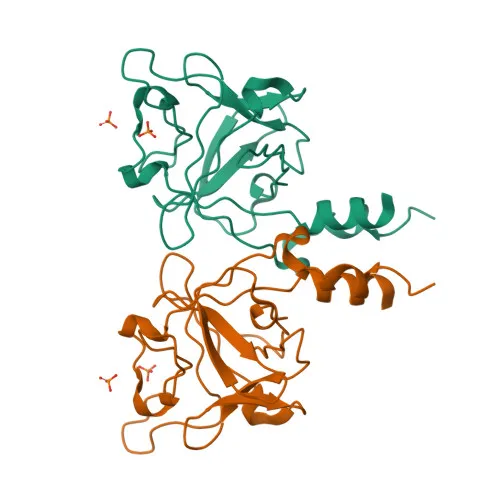
- FGF9 is a member of the fibroblast growth factor family, playing critical roles in embryonic development, cell proliferation, differentiation, and migration.
- It is also known as glia-activating factor (GAF) and is involved in glial cell growth and differentiation during development, as well as gliosis following brain injury.
- FGF9 supports neuronal cell differentiation and survival, and may stimulate the growth of glial tumors.
- The protein is secreted and functions as a heparin-binding growth factor, exerting its effects through receptor-mediated signaling.
- Encoded by the FGF9 gene (GeneID: 2254), the unprocessed precursor has a calculated molecular weight of 23,441 Da, consistent with the observed ~23 kDa band.
- Keywords for FGF9 include developmental protein, growth factor, mitogen, secreted, heparin-binding, and disease variants.
Experimental Guidance and Technical Tips
- The immunogen is a synthetic peptide derived from the N-terminal region (aa 1-100) of human FGF9, which is highly conserved across human, mouse, and rat, explaining the observed cross-reactivity.
- For Western blotting, consider optimizing antibody dilution and sample preparation, expecting a specific band at approximately 23 kDa.
- In ELISA, validate the antibody with recombinant FGF9 or tissue lysates, and note that heparin or heparan sulfate may enhance FGF9 reactivity.
- Always include positive and negative species-specific controls to confirm expected reactivity and exclude non-specific binding.
CamelBio: Your One-Stop Sourcing Bridge
CamelBio connects diagnostic manufacturers and research labs with premium IVD raw materials, including this anti-FGF9 polyclonal antibody for developmental and neuroscience applications. Beyond primary antibodies, we supply validated antibody pairs, optimized monoclonal/polyclonal antibodies, and bulk ancillary reagents, with capabilities to source rare or custom targets. Partner with CamelBio to streamline your procurement from concept to clinical manufacturing.
REQUEST A QUOTE
Our professional team will reply to you within one business day. Please feel free to contact us!