Polyclonal Antibodies
Anti-FGF13 Rabbit Polyclonal Antibody for WB - Q92913
Item Number : CM0025174
Price varies based on specs and customizations
- Application
- WB, ELISA
- Cross Reactivity
- Human, Mouse, Rat
- Protein Weight
- 28kDa

Shipping:
Contact us to get shipping details Enjoy On-time Dispatch Guarantee.
Why Choose Us
Easy ordering process, quality products, and dedicated support for your business success.
Core Product Specifications and Parameters
| Parameter | Value |
|---|---|
| Product Name | FGF13 Rabbit pAb |
| Remarks/Alias | FGF2; FHF2; DEE90; FHF-2; FGF-13; XLID110; LINC00889; FGF13 |
| Species | Human |
| GeneID (Human) | 2258 |
| GeneID | 2258 |
| Immunogen | Recombinant fusion protein containing a sequence corresponding to amino acids 1-245 of human FGF13 (NP_004105.1). |
| Source | Rabbit |
| Category | Polyclonal Antibodies |
| Application | WB, ELISA |
| Cross Reactivity | Human, Mouse, Rat |
| SWISS | Q92913 |
| Protein Weight | 28kDa |
| Shipping | Ice bag |
Biological Background: FGF13 Function and Localization
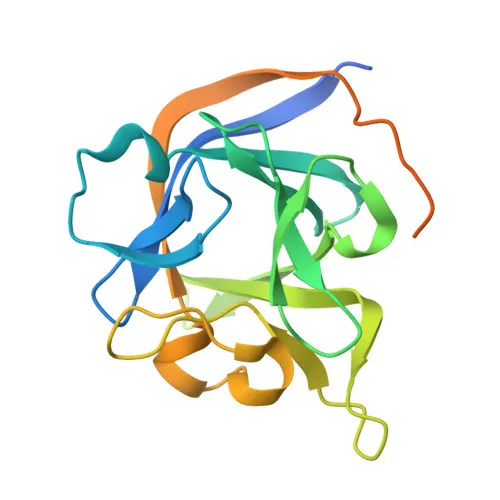
- FGF13, also known as fibroblast growth factor homologous factor 2 (FHF-2), is a member of the fibroblast growth factor homologous factor (FHF) subfamily, distinct from canonical FGFs.
- It functions as a microtubule-binding protein that directly interacts with tubulin, promoting microtubule polymerization and stabilization, which is crucial for neuronal polarization and migration.
- FGF13 regulates the transport and function of voltage-gated sodium channels, impacting neuronal excitability. Related references: PMID:15282281, PMID:33245860, PMID:36696443
- It undergoes alternative splicing, producing multiple isoforms that may display distinct subcellular localizations including the nucleus, cytoplasm, and various cell projections such as filopodia and growth cones.
- The protein is ubiquitously expressed, with predominant expression in the nervous system, where it plays roles in axon refinement and the development of inhibitory GABAergic synapses.
- Post-translational modifications include phosphorylation, and mutations in FGF13 are associated with diseases such as epilepsy and X-linked intellectual disability (keywords: Disease variant, Epilepsy, Intellectual disability).
- Additional notes: It localizes to the sarcolemma and dendrites, and is involved in MAPK signaling (by similarity).
Experimental Guidance and Technical Tips
- Since the immunogen comprises the N-terminal 245 amino acids of human FGF13, the antibody may recognize multiple isoforms and is suitable for detecting total FGF13 levels in denaturing Western blot (WB). Consider testing at 1:500–1:2000 dilution and validate in your sample system.
- The predicted molecular weight based on the full-length sequence is ~28 kDa, but alternative splicing may produce isoforms of varying sizes; confirm band patterns with appropriate controls.
- For ELISA applications, the recombinant protein immunogen facilitates direct binding assays. Titrate the antibody and use a matched secondary antibody for signal detection.
- Cross-reactivity with mouse and rat FGF13 is reported (high sequence homology), but verify cross-reactivity in the target species by sequence alignment and pilot experiments.
CamelBio: Your One-Stop Sourcing Bridge
CamelBio provides diagnostic manufacturers and research labs with streamlined access to IVD raw materials across the entire development pipeline. This anti-FGF13 polyclonal antibody supports neuroscience research on neuronal development and ion channel function. For bulk antibody orders, custom production, or complementary reagent sourcing, contact CamelBio to bridge your supply needs.
REQUEST A QUOTE
Our professional team will reply to you within one business day. Please feel free to contact us!