Polyclonal Antibodies
Anti-FGF1 Polyclonal Antibody for IF/ICC, ELISA - P05230
Item Number : CM0016384
Price varies based on specs and customizations
- Application
- IF/ICC, ELISA
- Cross Reactivity
- Human, Mouse, Rat
- Protein Weight
- 17kDa

Shipping:
Contact us to get shipping details Enjoy On-time Dispatch Guarantee.
Why Choose Us
Easy ordering process, quality products, and dedicated support for your business success.
Core Product Specifications and Parameters
| Parameter | Value |
|---|---|
| Product Name | FGF1 Rabbit pAb |
| Remarks/Alias | AFGF; ECGF; FGFA; ECGFA; ECGFB; FGF-1; HBGF1; HBGF-1; GLIO703; ECGF-beta; FGF-alpha; FGF1 |
| Species | Human |
| GeneID (Human) | 2246 |
| GeneID | 2246 |
| Immunogen | Recombinant protein |
| Source | Rabbit |
| Category | Polyclonal Antibodies |
| Application | IF/ICC, ELISA |
| Cross Reactivity | Human, Mouse, Rat |
| SWISS | P05230 |
| Protein Weight | 17kDa |
| Shipping | Ice bag |
Biological Background: FGF1 Function and Localization
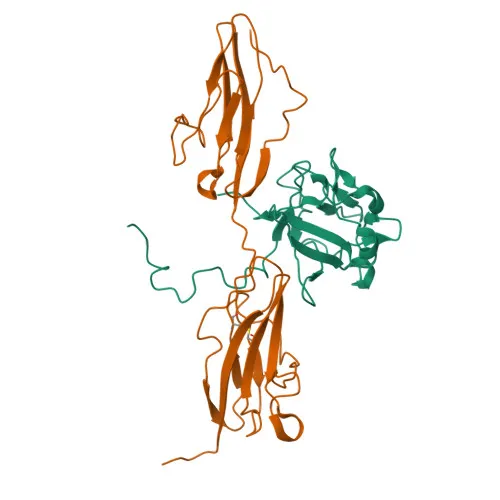
- FGF1 (Acidic fibroblast growth factor, aFGF, ECGF, HBGF-1) is a heparin-binding growth factor that regulates cell survival, cell division, angiogenesis, differentiation and migration. It functions as a potent mitogen in vitro.
- As a ligand, FGF1 binds to FGFR1 and integrin ITGAV:ITGB3, and its signaling requires heparin-induced FGFR1 dimerization and subsequent autophosphorylation.
- FGF1 signaling induces the phosphorylation and activation of FGFR1, FRS2, MAPK3/ERK1, MAPK1/ERK2 and AKT1. Related references: PMID:18441324 PMID:20422052
- FGF1 can induce angiogenesis. Related references: PMID:23469107
- Subcellular localization: FGF1 is secreted and also found in the cytoplasm (cell cortex, cytosol) and nucleus.
- Tissue specificity: Predominantly expressed in kidney and brain, with much lower levels in heart and skeletal muscle.
- Post-translational modifications include acetylation and phosphorylation, and it is a heparin-binding protein, facilitating receptor interaction.
Experimental Guidance and Technical Tips
- The immunogen corresponds to the mature form of human FGF1 (residues 2-155), which may recognize both secreted and intracellular forms. For IF/ICC, permeabilization may be necessary to detect cytoplasmic and nuclear pools.
- Given the cross-reactivity with mouse and rat, consider validating the antibody in rodent tissue sections or cell lines, especially from kidney or brain where FGF1 is highly expressed.
- For ELISA applications, pairing with a suitable detection antibody against FGF1 may be optimized; consider heparin supplementation to enhance antibody-antigen interaction due to FGF1's heparin-binding nature.
- As a polyclonal antibody from rabbit, it may exhibit lot-to-lot variability; include appropriate controls in each experiment.
CamelBio: Your One-Stop Sourcing Bridge
CamelBio serves as your integrated B2B sourcing partner for IVD raw materials, connecting diagnostic manufacturers, labs, and research institutes with high-quality antibody products like anti-FGF1 polyclonal antibodies. We support your development pipeline from discovery to clinical applications, offering a curated portfolio of validated antibodies, matched pairs, and bulk ancillary reagents to accelerate your assay development. For rare or custom target needs, our sourcing capabilities extend to specialized raw materials to ensure you have a reliable supply chain.
REQUEST A QUOTE
Our professional team will reply to you within one business day. Please feel free to contact us!