Polyclonal Antibodies
Anti-FCAR Polyclonal Antibody for WB, IF/ICC, ELISA - P24071
Item Number : CM0027373
Price varies based on specs and customizations
- Application
- WB, IF/ICC, ELISA
- Cross Reactivity
- Human, Mouse
- Protein Weight
- 32kDa

Shipping:
Contact us to get shipping details Enjoy On-time Dispatch Guarantee.
Why Choose Us
Easy ordering process, quality products, and dedicated support for your business success.
Core Product Specifications and Parameters
| Parameter | Value |
|---|---|
| Product Name | FCAR Rabbit pAb |
| Remarks/Alias | CD89; FcalphaR; FcalphaRI; CTB-61M7.2; FCAR |
| Species | Human |
| GeneID (human) | 2204 |
| GeneID | 2204 |
| Immunogen | Recombinant fusion protein containing a sequence corresponding to amino acids 60-287 of human FCAR (NP_001991.1). |
| Source | Rabbit |
| Category | Polyclonal Antibodies |
| Application | WB, IF/ICC, ELISA |
| Cross Reactivity | Human, Mouse |
| SWISS | P24071 |
| Protein Weight | 32kDa |
| Shipping | Ice bag |
Biological Background: FCAR (CD89) Function and Localization
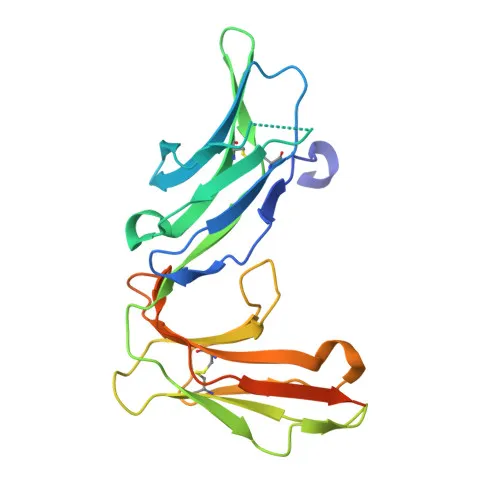
- FCAR, also known as CD89, is a type I transmembrane glycoprotein and the receptor for immunoglobulin alpha (IgA), belonging to the immunoglobulin superfamily.
- The protein mediates immune effector functions such as cytokine production, phagocytosis, and degranulation upon binding to IgA immune complexes.
- FCAR is expressed differentially in myeloid cells: monocytes express all three major isoforms (A.1, A.2, A.3), while alveolar macrophages typically express only one surface isoform.
- Subcellular localization includes the cell membrane; additionally, secreted forms can be generated by alternative splicing or proteolytic shedding.
- Key structural features include two extracellular Ig-like domains, a single transmembrane helix, and a short cytoplasmic tail lacking classical signaling motifs; signaling occurs through association with the common FcR γ-chain.
- Post-translational modifications include N-linked glycosylation at multiple sites and disulfide bond formation, contributing to stability and ligand binding.
- Functional studies implicate FCAR in both systemic and mucosal immunity, with roles in inflammatory responses and regulation of immune homeostasis.
Experimental Guidance and Technical Tips
- The immunogen corresponds to the extracellular domain (aa 60-287), which is predicted to be well-exposed for detection. For Western blot, consider that the observed molecular weight may be higher (~45-65 kDa) due to glycosylation.
- For IF/ICC, use permeabilization if targeting the cytoplasmic tail or if the isoform is predominantly intracellular; for surface staining, live-cell labeling with the antibody may be feasible.
- Since FCAR is expressed in primary myeloid cells, relevant positive control samples include human peripheral blood mononuclear cells (PBMCs) or mouse spleen lysates.
- ELISA applications may be optimized using recombinant FCAR-Fc fusion proteins as capture/standard; note that the antibody detects both membrane-bound and soluble forms.
- Cross-reactivity with mouse is reported; however, sequence homology in the extracellular domain is only about 50%, so validate in your specific mouse strain and tissue.
CamelBio: Your One-Stop Sourcing Bridge
CamelBio is your integrated partner for IVD raw-material procurement, offering validated antibody pairs, bulk reagents, and custom polyclonal antibody development. For immunology and immune-receptor research, we supply a wide range of antibodies against Fc receptors and immune checkpoint molecules. Count on CamelBio to streamline your sourcing process from discovery to diagnostic implementation.
REQUEST A QUOTE
Our professional team will reply to you within one business day. Please feel free to contact us!