Monoclonal Antibodies
Anti-FBP1 Rabbit Monoclonal Antibody for WB, IHC-P, ELISA - P09467
Item Number : CM0006652
Price varies based on specs and customizations
- Application
- WB, IHC-P, ELISA
- Cross Reactivity
- Human, Mouse, Rat
- Protein Weight
- 37kDa

Shipping:
Contact us to get shipping details Enjoy On-time Dispatch Guarantee.
Why Choose Us
Easy ordering process, quality products, and dedicated support for your business success.
Core Product Specifications and Parameters
| Parameter | Value |
|---|---|
| Product Name | FBP1 Rabbit mAb |
| Remarks/Alias | FBP; FBP1 |
| Species | Human |
| Gene ID (Human) | 2203 |
| Gene ID | 2203 |
| Immunogen | Synthetic Peptide: A synthetic peptide corresponding to a sequence within amino acids 1-100 of human FBP1 (P09467). |
| Source | Rabbit |
| Category | Monoclonal Antibodies |
| Application | WB, IHC-P, ELISA |
| Cross Reactivity | Human, Mouse, Rat |
| SWISS | P09467 |
| Protein Weight | 37kDa |
| Shipping | Ice bag |
Biological Background: FBP1 Function and Localization
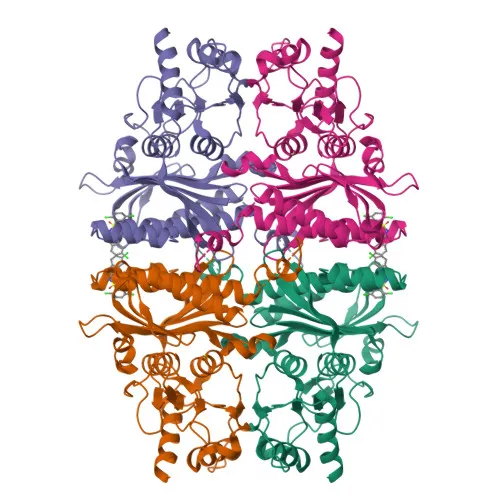
- Fructose-1,6-bisphosphatase 1 (FBP1), also known as liver FBPase, is a key gluconeogenic enzyme that catalyzes the hydrolysis of fructose 1,6-bisphosphate to fructose 6-phosphate, a rate-limiting step in glucose production.
- FBP1 plays a crucial role in glucose sensing and insulin secretion of pancreatic beta-cells, linking gluconeogenesis to endocrine function.
- In the liver, FBP1 modulates glycerol gluconeogenesis, influencing hepatic glucose output.
- FBP1 acts as a regulator of appetite and adiposity; increased hepatic expression after nutrient excess elevates circulating satiety hormones and reduces appetite-stimulating neuropeptides, providing a feedback mechanism to limit weight gain.
- FBP1 is primarily known as the liver isoform; its expression has been specifically noted in pancreatic islets.
- The enzyme is subject to allosteric regulation, acetylation, and phosphorylation, and requires divalent metal ions (magnesium) for activity.
- Genetic variants in FBP1 are linked to metabolic disorders (keyword: Disease variant), underscoring its clinical relevance.
Experimental Guidance and Technical Tips
- This monoclonal antibody was raised against a synthetic peptide spanning amino acids 1–100 of human FBP1, targeting the N-terminal region; it is predicted to recognize the full-length protein.
- For Western blot (WB), a band migrating at approximately 37 kDa is expected in lysates from human, mouse, or rat tissues. Verify specificity using appropriate positive and negative controls (e.g., FBP1-expressing vs. knockdown cells).
- For immunohistochemistry (IHC-P), consider testing on pancreatic or liver tissue sections; validate staining specificity by comparing with isotype control or peptide blocking.
- For ELISA, the antibody can be used as a capture or detection reagent; optimize coating concentrations and detection systems for your specific assay format.
- As with any reagent, performance should be validated in the relevant sample system and under your experimental conditions.
CamelBio: Your One-Stop Sourcing Bridge
CamelBio provides diagnostic manufacturers, labs, and research institutes with one-stop access to IVD raw materials, technical services, and consulting—covering every stage from concept to clinic. This high-quality anti-FBP1 antibody supports research in glucose metabolism, diabetes, and obesity, and can be seamlessly integrated into your assay development pipeline. Beyond this product, CamelBio offers validated antibody pairs, optimized monoclonal/polyclonal antibodies, bulk ancillary reagents, and sourcing for rare-target raw materials to power your diagnostic innovations.
REQUEST A QUOTE
Our professional team will reply to you within one business day. Please feel free to contact us!