Polyclonal Antibodies
Anti-FANCA Rabbit Polyclonal Antibody for WB, ELISA - O15360
Item Number : CM0027425
Price varies based on specs and customizations
- Application
- WB, ELISA
- Cross Reactivity
- Human
- Protein Weight
- 163kDa

Shipping:
Contact us to get shipping details Enjoy On-time Dispatch Guarantee.
Why Choose Us
Easy ordering process, quality products, and dedicated support for your business success.
Core Product Specifications and Parameters
| Parameter | Value |
|---|---|
| Product Name | FANCA Rabbit pAb |
| Remarks/Alias | FA; FA1; FAA; FAH; FA-H; FACA; FANCH; FANCA |
| Species | Human |
| Gene ID (Human) | 2175 |
| Immunogen | Recombinant fusion protein containing a sequence corresponding to amino acids 1-275 of human FANCA (NP_000126.2). |
| Source | Rabbit |
| Category | Polyclonal Antibodies |
| Application | WB, ELISA |
| Cross Reactivity | Human |
| SWISS | O15360 |
| Protein Weight | 163kDa |
| Shipping | Ice bag |
Biological Background: FANCA Function and Localization
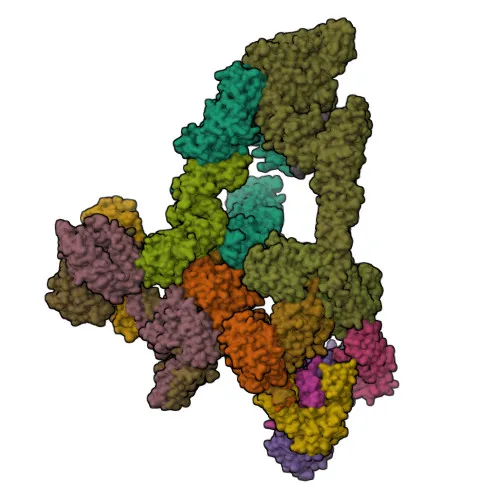
- Fanconi anemia group A protein (FANCA) is a key component of the Fanconi anemia (FA) complementation group, essential for the repair of DNA interstrand crosslinks (ICLs) and the maintenance of genomic stability.
- FANCA operates within the FA core complex, which, upon DNA damage, monoubiquitinates downstream effectors FANCD2 and FANCI to initiate ICL repair and coordinate cell cycle checkpoints.
- As a phosphoprotein, FANCA undergoes phosphorylation at multiple residues, a modification critical for its activation, nuclear translocation, and proper function in the DNA damage response.
- The protein localizes to both the nucleus and cytoplasm; nuclear accumulation increases following genotoxic stress, reflecting its role in nuclear DNA repair processes.
- Mutations in the FANCA gene are the most common cause of Fanconi anemia, a rare genetic syndrome characterized by bone marrow failure, congenital anomalies, and elevated cancer risk.
- FANCA interacts with other FA proteins (e.g., FANCG, FANCC) to form a large multiprotein complex, and its function is further modulated by alternative splicing, which generates isoforms with potentially distinct tissue-specific roles.
- Keywords associated with O15360 include: DNA repair, DNA damage, disease variant, phosphoprotein, nucleus, cytoplasm, and alternative splicing, highlighting its central role in genome integrity.
Experimental Guidance and Technical Tips
- The immunogen corresponds to the N-terminal region (amino acids 1–275) of human FANCA, which may facilitate detection of specific isoforms or preserve epitope accessibility under certain post-translational modifications.
- For Western blotting, the predicted molecular weight is approximately 163 kDa; consider using low-percentage polyacrylamide gels and extended transfer protocols to optimize resolution and transfer of this high molecular weight protein.
- Expression of FANCA can vary across cell types and tissues; it is advisable to validate the antibody in the relevant sample system, possibly using known positive controls or DNA-damage induction to enhance detection.
- The antibody is suitable for ELISA applications; appropriate blocking and washing conditions should be empirically determined for the specific assay format.
CamelBio: Your One-Stop Sourcing Bridge
CamelBio provides diagnostic manufacturers, labs, and research institutes with one-stop access to IVD raw materials, technical services, and consulting—covering every stage from concept to clinic. This FANCA antibody supports research into DNA repair disorders such as Fanconi anemia, and we supply validated antibody pairs, optimized monoclonal/polyclonal antibodies, and bulk ancillary reagents to streamline your assay development. For rare target raw-material sourcing, our expert team ensures reliable, scalable supply solutions tailored to your IVD needs.
REQUEST A QUOTE
Our professional team will reply to you within one business day. Please feel free to contact us!