Monoclonal Antibodies
Anti-FANCA Monoclonal Antibody for WB, ELISA - O15360
Item Number : CM0009221
Price varies based on specs and customizations
- Application
- WB, ELISA
- Cross Reactivity
- Human
- Protein Weight
- 163kDa

Shipping:
Contact us to get shipping details Enjoy On-time Dispatch Guarantee.
Why Choose Us
Easy ordering process, quality products, and dedicated support for your business success.
Core Product Specifications and Parameters
| Parameter | Value |
|---|---|
| Product Name | FANCA Rabbit mAb |
| Remarks/Alias | FA; FA1; FAA; FAH; FA-H; FACA; FANCH; FANCA |
| Species | Human |
| Gene ID (Human) | 2175 |
| Gene ID | 2175 |
| Immunogen | Recombinant fusion protein containing a sequence corresponding to amino acids 2-104 of human FANCA (O15360). |
| Source | Rabbit |
| Category | Monoclonal Antibodies |
| Application | WB, ELISA |
| Cross Reactivity | Human |
| SWISS | O15360 |
| Protein Weight | 163kDa |
| Shipping | Ice bag |
Biological Background: FANCA Function and Localization
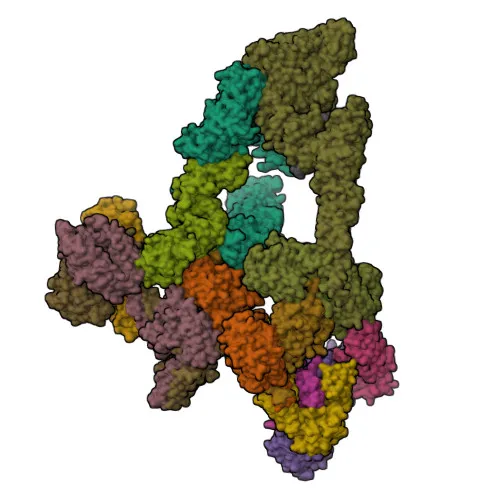
- FANCA, the Fanconi anemia group A protein, is a key member of the Fanconi anemia (FA) pathway, which is critical for DNA interstrand cross-link repair and maintenance of chromosomal stability.
- The protein is encoded by the FANCA gene (Gene ID: 2175) and may function in postreplication repair or cell cycle checkpoint control, ensuring genomic integrity after DNA damage.
- Mutations in FANCA are the most common cause of Fanconi anemia, a genetic disorder characterized by bone marrow failure, congenital abnormalities, and cancer predisposition.
- Subcellularly, FANCA localizes to both the nucleus and cytoplasm, consistent with its role in DNA damage signaling and repair pathway activation.
- The protein undergoes phosphorylation, a post-translational modification that regulates its activity and interactions within the FA core complex.
- FANCA has multiple aliases (FA; FA1; FAA; FAH; FA-H; FACA; FANCH) reflecting its historical identification and functional associations.
- Alternative splicing generates several isoforms, potentially expanding functional diversity.
- Overall, FANCA is essential for the cellular response to crosslinking agents and participates in the FA/BRCA DNA repair network.
Experimental Guidance and Technical Tips
- For Western blot, consider using a denaturing gel system; FANCA has a predicted molecular weight of ~163 kDa, so ensure adequate separation time and transfer conditions for high molecular weight proteins.
- The immunogen (aa 2-104) targets the N-terminal region; verify that splice variants or processing events do not obscure detection.
- For ELISA, use the antibody as capture or detection after determining optimal coating concentrations; include appropriate controls with recombinant FANCA protein.
- Validate specificity by testing in FANCA-deficient cell lines or using siRNA knockdown to confirm band disappearance in WB.
CamelBio: Your One-Stop Sourcing Bridge
CamelBio offers a comprehensive range of IVD raw materials, including validated antibody pairs, optimized monoclonal and polyclonal antibodies, and bulk ancillary reagents. Our FANCA monoclonal antibody supports research into Fanconi anemia, DNA repair, and cancer predisposition, with one-stop access to rare target reagents and technical services. Partner with CamelBio to streamline your diagnostic development from concept to clinic.
REQUEST A QUOTE
Our professional team will reply to you within one business day. Please feel free to contact us!