Polyclonal Antibodies
Anti-FABP5 Rabbit Polyclonal Antibody for WB and ELISA - Q01469
Item Number : CM0015443
Price varies based on specs and customizations
- Application
- WB, ELISA
- Cross Reactivity
- Human, Mouse, Rat
- Protein Weight
- 15kDa

Shipping:
Contact us to get shipping details Enjoy On-time Dispatch Guarantee.
Why Choose Us
Easy ordering process, quality products, and dedicated support for your business success.
Core Product Specifications and Parameters
| Parameter | Specification |
|---|---|
| Product Name | FABP5 Rabbit pAb |
| Remarks/Alias | EFABP; KFABP; E-FABP; PAFABP; PA-FABP; FABP5 |
| Species | Human |
| Gene ID (Human) | 2171 |
| Gene ID | 2171 |
| Immunogen | Recombinant fusion protein containing a sequence corresponding to amino acids 1-100 of human FABP5 (NP_001435.1) |
| Source | Rabbit |
| Category | Polyclonal Antibodies |
| Application | WB, ELISA |
| Cross Reactivity | Human, Mouse, Rat |
| SWISS | Q01469 |
| Protein Weight | 15kDa |
| Shipping | Ice bag |
Biological Background: Fatty Acid-Binding Protein 5 Function and Localization
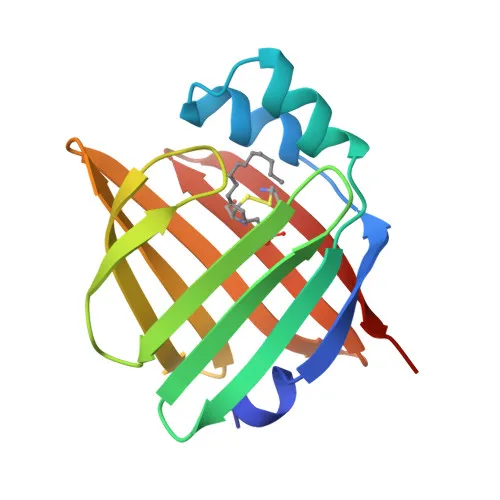
- FABP5 (epidermal-type fatty acid-binding protein, E-FABP; psoriasis-associated fatty acid-binding protein homolog, PA-FABP) is a member of the intracellular lipid-binding protein family that functions as a carrier for long-chain fatty acids and other lipophilic ligands such as endocannabinoids.
- It selectively transports specific fatty acids from the cytosol to the nucleus, where they activate nuclear receptors (e.g., PPARδ upon retinoic acid delivery), promoting cell proliferation and survival. Related references: PMID:21395585 PMID:22170058
- FABP5 may also act as a synaptic carrier of endocannabinoids at central synapses, potentially modulating retrograde endocannabinoid signaling.
- The protein is implicated in the modulation of inflammatory responses via NF-κB-dependent PTGES induction and prostaglandin E2 biosynthesis.
- FABP5 may be involved in keratinocyte differentiation. Related references: PMID:8092987
- It is expressed in keratinocytes (highly in psoriatic skin) and brain gray matter, and localizes to cytoplasm, nucleus, synapse, and postsynaptic density; it can also be secreted.
- Post-translational modifications include acetylation and phosphorylation, and the protein contains disulfide bonds.
Experimental Guidance and Technical Tips
- The immunogen is a recombinant protein spanning the N-terminal 1–100 amino acids; perform sequence alignment for your target species to assess potential cross‑reactivity with homologous FABP family members.
- For Western blot, use denaturing gels and validate with a positive control lysate from human, mouse, or rat tissues.
- In ELISA, consider optimizing coating conditions and using the recombinant protein as a standard; pairing with a capture antibody may require titration.
- Given cross‑reactivity with mouse and rat, this antibody is suitable for comparative studies, but users should validate performance in their specific sample system.
CamelBio: Your One-Stop Sourcing Bridge
CamelBio offers diagnostic manufacturers, labs, and research institutes one‑stop access to IVD raw materials, technical services, and consulting—covering every stage from concept to clinic. This anti‑FABP5 polyclonal antibody is part of CamelBio’s growing portfolio of validated antibodies against lipid‑binding and inflammatory targets. Beyond individual antibodies, CamelBio supplies validated antibody pairs, optimized monoclonal and polyclonal bulk reagents, ancillary reagents, and can assist with sourcing rare‑target raw materials for specialized assay development.
REQUEST A QUOTE
Our professional team will reply to you within one business day. Please feel free to contact us!