Polyclonal Antibodies
Anti-Ezrin/Radixin/Moesin Polyclonal Antibody for WB and ELISA - P15311 / P35241 / P26038
Item Number : CM0019318
Price varies based on specs and customizations
- Application
- WB, ELISA
- Cross Reactivity
- Human, Mouse, Rat
- Protein Weight
- 23-71 kDa

Shipping:
Contact us to get shipping details Enjoy On-time Dispatch Guarantee.
Why Choose Us
Easy ordering process, quality products, and dedicated support for your business success.
Core Product Specifications and Parameters
| Parameter | Value |
|---|---|
| Product Name | Ezrin/Radixin/Moesin Rabbit pAb |
| Remarks/Alias | CVL; CVIL; VIL2; HEL-S-105; DFNB24; HEL70; IMD50; Ezrin/Radixin/Moesin |
| Species | Human |
| GeneID (Human) | 7430/5962/4478 |
| GeneID | 7430/5962/4478 |
| Immunogen | A synthetic peptide corresponding to a sequence within amino acids 487-586 of human Ezrin/Radixin/Moesin (NP_003370.2) |
| Source | Rabbit |
| Category | Polyclonal Antibodies |
| Application | WB, ELISA |
| Cross Reactivity | Human, Mouse, Rat |
| SWISS | P15311/P35241/P26038 |
| Protein Weight | 23-71 kDa |
| Shipping | Ice bag |
Biological Background: Ezrin/Radixin/Moesin (ERM) Family Function and Localization
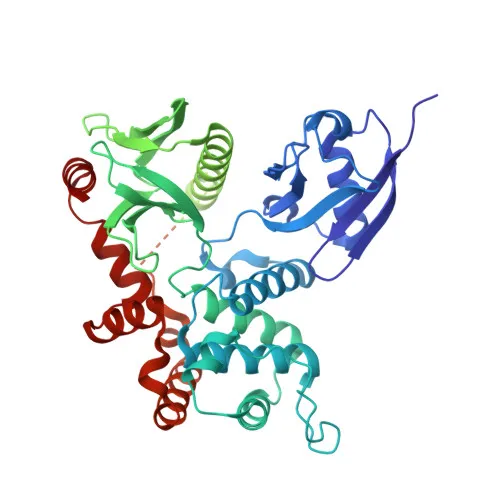
- The ERM family consists of three closely related proteins: Ezrin (EZR), Radixin (RDX), and Moesin (MSN), which function as linkers between the plasma membrane and the cortical actin cytoskeleton. Ezrin, also known as Cytovillin or Villin-2 (VIL2), is encoded by the EZR gene.
- Ezrin is involved in connecting major cytoskeletal structures to the plasma membrane, and it is required for the formation of microvilli and membrane ruffles on the apical pole of epithelial cells. It also participates in macropinocytosis together with PLEKHG6.
- Subcellularly, Ezrin is found at the apical cell membrane, microvillus membrane, ruffle membrane, cell cortex, and cytoskeleton, reflecting its role in membrane-cytoskeleton coupling.
- Tissue specificity: Ezrin is highly expressed in astrocytes of the hippocampus, frontal cortex, thalamus, and other brain regions, but not in neurons. It is also a component of intestinal epithelial microvilli and is expressed in cerebral cortex, basal ganglia, and optic nerve.
- Post-translational modifications of Ezrin include phosphorylation, acetylation, and S-nitrosylation, which may regulate its activity and interactions.
- The antibody targets all three ERM proteins due to the immunogen derived from a conserved region (amino acids 487-586) of human Ezrin (NP_003370.2).
Experimental Guidance and Technical Tips
- This rabbit polyclonal antibody was raised against a synthetic peptide covering amino acids 487-586 of human Ezrin (NP_003370.2), a region that may share homology with Radixin and Moesin, supporting broad ERM family recognition.
- For Western blot (WB) applications, consider optimizing primary antibody dilution and detection conditions; the supplier notes detection in the 23-71 kDa range, so adjust accordingly.
- In ELISA, this antibody can be used for quantitative or qualitative detection of ERM proteins; validate performance in the relevant sample matrix.
- Cross-reactivity with human, mouse, and rat suggests utility across these species; however, confirm specificity for each target and species in your experimental system.
- As a polyclonal antibody, it may exhibit lot-to-lot variability; carefully validate each batch for consistency.
CamelBio: Your One-Stop Sourcing Bridge
CamelBio is your one-stop sourcing partner for IVD raw materials, providing validated antibody pairs, bulk ancillary reagents, and rare target sourcing for diagnostic manufacturers and research labs. Our catalog includes this anti-ERM family polyclonal antibody, ideal for cytoskeleton and cell membrane studies. From concept to clinic, CamelBio supports your entire development pipeline with technical services and consulting.
Product Datasheet
Anti-Ezrin/Radixin/Moesin Polyclonal Antibody for WB and ELISA - P15311 / P35241 / P26038
REQUEST A QUOTE
Our professional team will reply to you within one business day. Please feel free to contact us!