Polyclonal Antibodies
Anti-EXT1 Rabbit Polyclonal Antibody for WB, ELISA - Q16394
Item Number : CM0021585
Price varies based on specs and customizations
- Application
- WB, ELISA
- Cross Reactivity
- Rat
- Protein Weight
- 86kDa

Shipping:
Contact us to get shipping details Enjoy On-time Dispatch Guarantee.
Why Choose Us
Easy ordering process, quality products, and dedicated support for your business success.
Core Product Specifications and Parameters
| Parameter | Value |
|---|---|
| Product Name | EXT1 Rabbit pAb |
| Remarks/Alias | EXT; LGS; TTV; LGCR; TRPS2; EXT1 |
| Species | Human |
| Gene ID (Human) | 2131 |
| Gene ID | 2131 |
| Immunogen | Synthetic peptide corresponding to a sequence within amino acids 300-400 of human EXT1 (NP_000118.2) |
| Source | Rabbit |
| Category | Polyclonal Antibodies |
| Application | WB, ELISA |
| Cross Reactivity | Rat |
| SWISS | Q16394 |
| Protein Weight | 86kDa |
| Shipping | Ice bag |
Biological Background: EXT1 Function and Localization
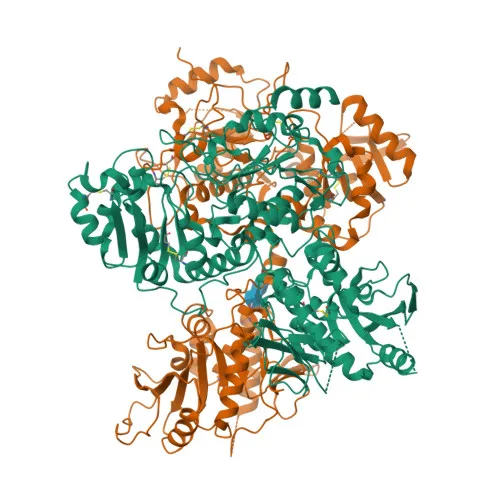
- EXT1 (Exostosin-1) is a glycosyltransferase that forms the heterodimeric heparan sulfate polymerase complex with EXT2, essential for heparan sulfate chain elongation.
- The enzyme catalyzes the alternating transfer of glucuronic acid and N-acetylglucosamine residues, with EXT1 providing the glucuronosyltransferase activity. Related references: PMID:36402845, PMID:36593275
- Heparan sulfate proteoglycans, synthesized by EXT1-containing complexes, are ubiquitous extracellular matrix components involved in tissue homeostasis and signaling. Related references: PMID:10639137, PMID:11391482, PMID:22660413
- EXT1 is a membrane-anchored protein with a signal-anchor transmembrane domain, predominantly localized to the Golgi apparatus (cis-Golgi network) and endoplasmic reticulum membranes.
- Widely expressed across tissues, EXT1 mutations cause hereditary multiple exostoses; the protein is also recognized as a tumor suppressor.
- Classified under keywords: Glycosyltransferase, Golgi apparatus, Membrane, Tumor suppressor, Disease variant, Metal-binding (manganese).
Experimental Guidance and Technical Tips
- The immunogen is an internal region (aa 300–400) of human EXT1; the polyclonal antibody likely recognizes multiple epitopes, suitable for detecting both native and denatured protein in WB.
- For Western blot, consider using reducing conditions and a loading control; the expected molecular weight is approximately 86 kDa.
- In ELISA applications, the immunizing peptide can serve as a positive control to confirm antibody specificity and assay sensitivity.
- Cross-reactivity with rat has been reported by the supplier; if testing other species, antibody reactivity should be validated in the relevant sample system.
CamelBio: Your One-Stop Sourcing Bridge
CamelBio partners with diagnostic manufacturers and researchers to provide high-quality raw materials, including validated antibody pairs and polyclonal antibodies like this EXT1-targeted reagent. Whether you need bulk reagents, customized antibody production, or ancillary materials, our team supports your project from early R&D to clinical application, ensuring a seamless supply chain for heparan sulfate biology and related disease research.
REQUEST A QUOTE
Our professional team will reply to you within one business day. Please feel free to contact us!