Polyclonal Antibodies
Anti-EXOSC2 Polyclonal Antibody for WB, IF/ICC, ELISA - Q13868
Item Number : CM0014200
Price varies based on specs and customizations
- Application
- WB, IF/ICC, ELISA
- Cross Reactivity
- Human, Mouse, Rat
- Protein Weight
- 33kDa

Shipping:
Contact us to get shipping details Enjoy On-time Dispatch Guarantee.
Why Choose Us
Easy ordering process, quality products, and dedicated support for your business success.
Core Product Specifications and Parameters
| Parameter | Value |
|---|---|
| Product Name | EXOSC2 Rabbit pAb |
| Remarks/Alias | p7; RRP4; SHRF; Rrp4p; hRrp4p; EXOSC2 |
| Species | Human |
| GeneID (Human) | 23404 |
| GeneID | 23404 |
| Immunogen | Recombinant protein |
| Source | Rabbit |
| Category | Polyclonal Antibodies |
| Application | WB, IF/ICC, ELISA |
| Cross Reactivity | Human, Mouse, Rat |
| SWISS | Q13868 |
| Protein Weight | 33kDa |
| Shipping | Ice bag |
Biological Background: EXOSC2 Function and Localization
- EXOSC2 encodes exosome complex component RRP4 (also known as RRP4, p7, SHRF), a non-catalytic subunit of the RNA exosome complex involved in 3'->5' exoribonuclease activity in RNA processing and degradation.
- As part of the nuclear exosome, EXOSC2 participates in the maturation of stable RNAs (rRNA, snRNA, snoRNA) and the removal of aberrant transcripts, including antisense RNAs and promoter-upstream transcripts (PROMPTs).
- In the cytoplasm, EXOSC2 contributes to general mRNA turnover, specifically degrading AU-rich element (ARE)-containing mRNAs and histone mRNAs, and is involved in RNA surveillance to prevent translation of abnormal mRNAs.
- EXOSC2 may also be implicated in immunoglobulin class switch recombination and somatic hypermutation by targeting AICDA activity to transcribed DNA substrates.
- The protein localizes to both the cytoplasm and nucleus, including the nucleolus, consistent with its role in RNA metabolism in multiple subcellular compartments.
- Clinically, mutations in EXOSC2 are associated with diseases such as deafness, dwarfism, and retinitis pigmentosa, underscoring its importance in neurodevelopment and sensory function.
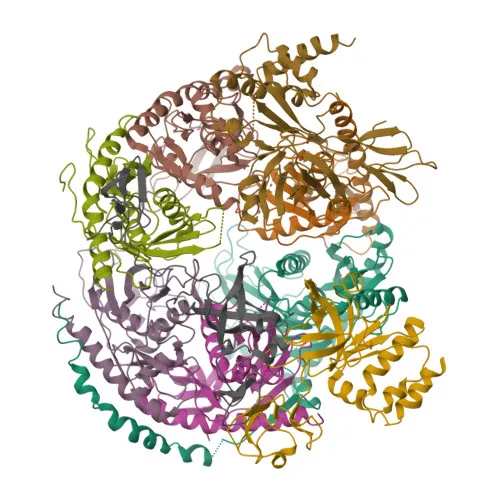
- EXOSC2 undergoes alternative splicing and is a phosphoprotein, with structural studies revealing its role in stabilizing the hexameric ring of the exosome core complex.
Experimental Guidance and Technical Tips
- The immunogen corresponds to the N-terminal region (1-293) of human EXOSC2; when designing detection assays, consider that the antibody may recognize epitopes within this region.
- For Western blot (WB), ensure proper protein extraction and consider the predicted molecular weight of approximately 33 kDa, although post-translational modifications might affect migration.
- In IF/ICC experiments, include appropriate controls and optimize fixation/permeabilization conditions based on the target's subcellular localization (cytoplasm, nucleus, nucleolus).
- For ELISA applications, validate the antibody pair compatibility and check cross-reactivity across species (human, mouse, rat) as indicated.
CamelBio: Your One-Stop Sourcing Bridge
CamelBio provides diagnostic manufacturers and research laboratories with a streamlined procurement channel for IVD raw materials. Our portfolio includes validated antibody pairs, optimized monoclonal and polyclonal antibodies, and bulk ancillary reagents, ensuring reliable supply for your RNA metabolism and exosome research needs.
REQUEST A QUOTE
Our professional team will reply to you within one business day. Please feel free to contact us!