Polyclonal Antibodies
Anti-ETHE1 Polyclonal Antibody for WB, IHC-P, IF/ICC, ELISA - O95571
Item Number : CM0013427
Price varies based on specs and customizations
- Application
- WB, IHC-P, IF/ICC, ELISA
- Cross Reactivity
- Human, Mouse, Rat
- Protein Weight
- 28kDa

Shipping:
Contact us to get shipping details Enjoy On-time Dispatch Guarantee.
Why Choose Us
Easy ordering process, quality products, and dedicated support for your business success.
Core Product Specifications and Parameters
| Parameter | Value |
|---|---|
| Product Name | ETHE1 Rabbit pAb |
| Remarks/Alias | HSCO; YF13H12; ETHE1 |
| Species | Human |
| GeneID (Human) | 23474 |
| GeneID | 23474 |
| Immunogen | Recombinant fusion protein containing a sequence corresponding to amino acids 8-245 of human ETHE1 (NP_055112.2) |
| Source | Rabbit |
| Category | Polyclonal Antibodies |
| Application | WB, IHC-P, IF/ICC, ELISA |
| Cross Reactivity | Human, Mouse, Rat |
| SWISS | O95571 |
| Protein Weight | 28kDa |
| Shipping | Ice bag |
Biological Background: ETHE1 Function and Localization
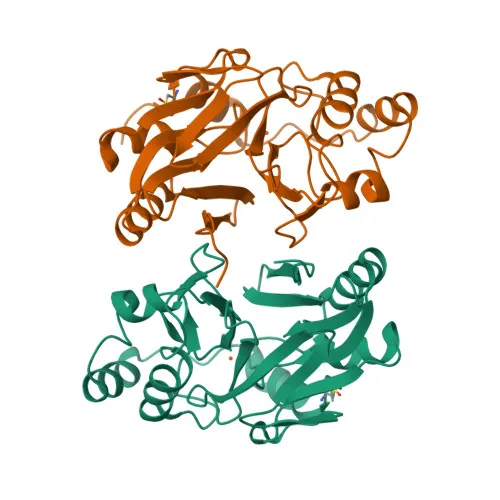
- ETHE1, also known as persulfide dioxygenase ETHE1, ethylmalonic encephalopathy protein 1, or hepatoma subtracted clone one protein, is encoded by the ETHE1 gene (HSCO).
- It functions as a sulfur dioxygenase essential for hydrogen sulfide (H2S) catabolism in the mitochondrial matrix. H2S is first oxidized by SQRDL to cysteine persulfide, and ETHE1 then oxidizes the persulfide using molecular oxygen, after transfer to a thiophilic acceptor like glutathione.
- Proper ETHE1 activity prevents accumulation of toxic H2S levels, which would inhibit cytochrome c oxidase, thus maintaining metabolic homeostasis.
- ETHE1 was initially described as a protein that shuttles between nucleus and cytoplasm and suppresses p53-induced apoptosis by sequestering the transcription factor RELA/NFKB3 in the cytoplasm. Related references: PMID:12398897
- Subcellularly, ETHE1 is found in the cytoplasm, nucleus, and primarily in the mitochondrial matrix.
- It is ubiquitously expressed across human tissues.
- Key post-translational modifications include acetylation and phosphorylation. ETHE1 is a metal-binding dioxygenase requiring iron cofactor.
- Mutations in ETHE1 are associated with ethylmalonic encephalopathy, a rare metabolic disorder, as reflected by its alternative name and disease variant keyword.
Experimental Guidance and Technical Tips
- The immunogen used corresponds to amino acids 8-245 of human ETHE1, covering most of the mature protein. Consider this when predicting epitope recognition.
- Optimal dilutions should be determined experimentally for each application. The antibody is applicable in Western blot, immunohistochemistry (paraffin), immunofluorescence/immunocytochemistry, and ELISA.
- Predicted to recognize ETHE1 from human, mouse, and rat based on sequence similarity. Verify cross-reactivity in your species of interest.
- A band around 28 kDa is expected in Western blotting.
- As a polyclonal antibody, it may detect multiple epitopes, offering robust signal but potentially with batch-to-batch variability. Validate each new lot.
CamelBio: Your One-Stop Sourcing Bridge
CamelBio provides diagnostic manufacturers and research laboratories with streamlined access to IVD raw materials, technical services, and consulting. For projects targeting ETHE1 or mitochondrial metabolism, we offer validated antibody pairs, optimized monoclonal/polyclonal antibodies, bulk ancillary reagents, and procurement support for rare targets. From concept to clinic, our one-stop sourcing helps accelerate your assay development.
REQUEST A QUOTE
Our professional team will reply to you within one business day. Please feel free to contact us!