Polyclonal Antibodies
Anti-ETFB Rabbit Polyclonal Antibody for WB, IF/ICC, ELISA - P38117
Item Number : CM0022550
Price varies based on specs and customizations
- Application
- WB, IF/ICC, ELISA
- Cross Reactivity
- Human, Mouse, Rat
- Protein Weight
- 28kDa

Shipping:
Contact us to get shipping details Enjoy On-time Dispatch Guarantee.
Why Choose Us
Easy ordering process, quality products, and dedicated support for your business success.
Core Product Specifications and Parameters
| Parameter | Value |
|---|---|
| Product Name | ETFB Rabbit pAb |
| Remarks/Alias | MADD; FP585; ETFB |
| Species | Human |
| GeneID | 2109 |
| Immunogen | Recombinant fusion protein containing a sequence corresponding to amino acids 80-230 of human ETFB (NP_001976.1) |
| Source | Rabbit |
| Category | Polyclonal Antibodies |
| Application | WB, IF/ICC, ELISA |
| Cross Reactivity | Human, Mouse, Rat |
| SWISS | P38117 |
| Protein Weight | 28kDa |
| Shipping | Ice bag |
Biological Background: ETFB Function and Localization
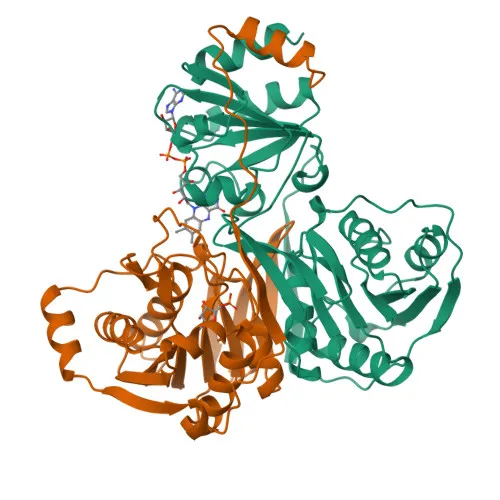
- ETFB encodes the beta subunit of the heterodimeric electron transfer flavoprotein (ETF), partnering with the alpha subunit (ETFA) to form a functional mitochondrial ETF complex.
- ETF accepts electrons from multiple mitochondrial matrix dehydrogenases, including acyl-CoA dehydrogenases, glutaryl-CoA dehydrogenase, and sarcosine dehydrogenase, and then transfers them to the respiratory chain via ETF-ubiquinone oxidoreductase. Related references: PMID:15159392, PMID:15975918, PMID:25416781
- The protein is essential for normal mitochondrial fatty acid oxidation and amino acid metabolism; functional deficiency disrupts these metabolic pathways. Related references: PMID:12815589, PMID:7912128
- ETFB binds an AMP molecule that likely plays a structural role, stabilizing the protein conformation without directly participating in electron transfer. Related references: PMID:15159392, PMID:15975918, PMID:8962055
- Localization: Mitochondrion matrix, consistent with its role in electron transport and oxidative metabolism.
- Tissue distribution: Highly expressed in liver, heart, and skeletal muscle; low expression detected in brain, placenta, lung, kidney, and pancreas.
- Post-translational modifications identified through proteomics include acetylation, phosphorylation, and methylation, which may regulate function or stability.
- Disease association: Mutations in ETFB are implicated in glutaric acidemia type II (multiple acyl-CoA dehydrogenase deficiency), as indicated by the disease variant keyword in UniProt.
Experimental Guidance and Technical Tips
- The immunogen spans amino acids 80–230, a conserved central region; the polyclonal antibody may detect full-length ETFB and potential alternative splicing isoforms—validate in your target tissue.
- For Western blot, expect a band near 28 kDa; mitochondrial-enriched lysates from liver, heart, or muscle may enhance signal due to higher ETFB abundance.
- For IF/ICC, co-staining with mitochondrial markers (e.g., MitoTracker or anti-TOM20) is recommended to confirm specific localization.
- In ELISA applications, titrate the antibody and validate with recombinant protein or endogenous controls from human, mouse, or rat tissue lysates.
CamelBio: Your One-Stop Sourcing Bridge
CamelBio provides a streamlined sourcing experience for IVD raw materials, connecting diagnostic developers with high-quality antibodies like this ETFB polyclonal antibody for mitochondrial metabolism research. We support your workflow with validated antibody pairs, optimized monoclonal and polyclonal reagents, bulk ancillary materials, and customized sourcing for rare or specialized targets—helping you accelerate assay development from concept to clinic.
REQUEST A QUOTE
Our professional team will reply to you within one business day. Please feel free to contact us!