Polyclonal Antibodies
Anti-Estrogen Receptor beta Rabbit Polyclonal Antibody for WB, ELISA - Q92731
Item Number : CM0030239
Price varies based on specs and customizations
- Application
- WB, ELISA
- Cross Reactivity
- Human, Mouse, Rat
- Protein Weight
- 59kDa

Shipping:
Contact us to get shipping details Enjoy On-time Dispatch Guarantee.
Why Choose Us
Easy ordering process, quality products, and dedicated support for your business success.
Core Product Specifications and Parameters
| Parameter | Value |
|---|---|
| Product Name | Estrogen Receptor beta Rabbit pAb |
| Remarks/Alias | Erb; ESRB; ODG8; ESTRB; NR3A2; ER-BETA; ESR-BETA; Estrogen Receptor beta |
| Species | Human |
| Gene ID | 2100 |
| Immunogen | Recombinant protein |
| Source | Rabbit |
| Category | Polyclonal Antibodies |
| Application | WB, ELISA |
| Cross Reactivity | Human, Mouse, Rat |
| SWISS | Q92731 |
| Protein Weight | 59kDa |
| Shipping | Ice bag |
Biological Background: Estrogen Receptor beta Function and Localization
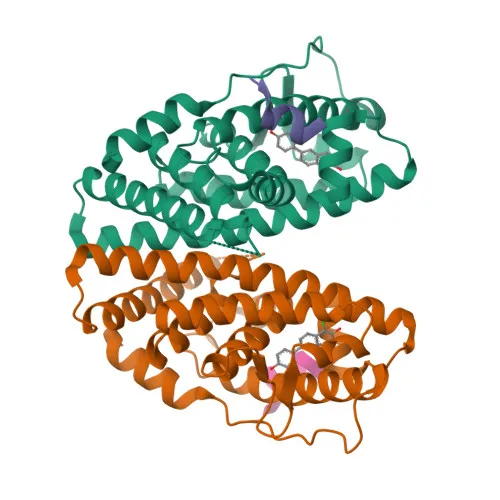
- Estrogen receptor beta (ER-beta), also known as nuclear receptor subfamily 3 group A member 2, is a nuclear hormone receptor that binds estrogens with affinity comparable to ER-alpha and activates expression of reporter genes containing estrogen response elements in an estrogen-dependent manner. Related references: PMID:20074560
- ER-beta lacks ligand-binding ability in certain isoforms or contexts, resulting in loss of ligand-dependent transactivation and very low ERE binding activity.
- It is primarily localized in the nucleus, where it mediates estrogen-responsive gene expression.
- The protein undergoes alternative splicing, yielding isoforms with varied tissue distribution and functional properties.
- ER-beta is expressed in a broad range of tissues, with highest levels in testis and ovary, and lower levels in heart, brain, placenta, liver, skeletal muscle, spleen, thymus, prostate, colon, bone marrow, mammary gland, and uterus.
- Key post-translational modifications include phosphorylation, and the protein contains zinc-finger motifs involved in DNA binding.
- ER-beta belongs to the nuclear receptor family and contains characteristic domains for ligand binding, DNA binding, and transactivation.
Experimental Guidance and Technical Tips
- The immunogen corresponds to the N-terminal region (amino acids 1-153) of human ER-beta, which may target both full-length and N-terminal isoforms. Validate specificity in your assay using appropriate controls.
- For Western blot, consider using whole cell lysates from tissues with known ER-beta expression (e.g., testis, ovary) or transfected cell lines. The expected molecular weight is approximately 59 kDa.
- In ELISA applications, consider using recombinant ER-beta protein as a positive control and validate linearity and specificity with known negative samples.
- Due to cross-reactivity with mouse and rat, this antibody may be suitable for dual-species studies. Verify performance in relevant sample systems.
CamelBio: Your One-Stop Sourcing Bridge
CamelBio provides diagnostic manufacturers, laboratories, and research institutes with integrated access to IVD raw materials, technical services, and consulting—supporting every stage from concept to clinic. Our portfolio includes validated antibody pairs, optimized monoclonal and polyclonal antibodies, bulk ancillary reagents, and rare target sourcing for endocrine and reproductive health research. Whether you are developing ELISA kits or Western blotting tools for estrogen receptor beta detection, CamelBio ensures seamless supply and expert guidance to accelerate your diagnostic development.
Product Datasheet
Anti-Estrogen Receptor beta Rabbit Polyclonal Antibody for WB, ELISA - Q92731
REQUEST A QUOTE
Our professional team will reply to you within one business day. Please feel free to contact us!