Phosphorylated Antibodies
Anti-Estrogen Receptor alpha (phospho S106) Rabbit Polyclonal Antibody for WB, IF/ICC - P03372
Item Number : CM0001855
Price varies based on specs and customizations
- Application
- WB, IF/ICC
- Cross Reactivity
- Human, Mouse
- Protein Weight
- 66kDa

Shipping:
Contact us to get shipping details Enjoy On-time Dispatch Guarantee.
Why Choose Us
Easy ordering process, quality products, and dedicated support for your business success.
Core Product Specifications and Parameters
| Parameter | Value |
|---|---|
| Product Name | Phospho-ESRα-S106 Rabbit pAb |
| Remarks/Alias | ER; ESR; Era; ESRA; ESTRR; NR3A1; Phospho-ESRα-S106 |
| Species | Human |
| GeneID (human) | 2099 |
| GeneID | 2099 |
| Immunogen | Synthetic peptide |
| Source | Rabbit |
| Category | Phosphorylated Antibodies |
| Application | WB, IF/ICC |
| Cross Reactivity | Human, Mouse |
| SWISS | P03372 |
| Protein Weight | 66kDa |
| Shipping | Ice bag |
Biological Background: Estrogen Receptor alpha (ESR1) Function and Localization
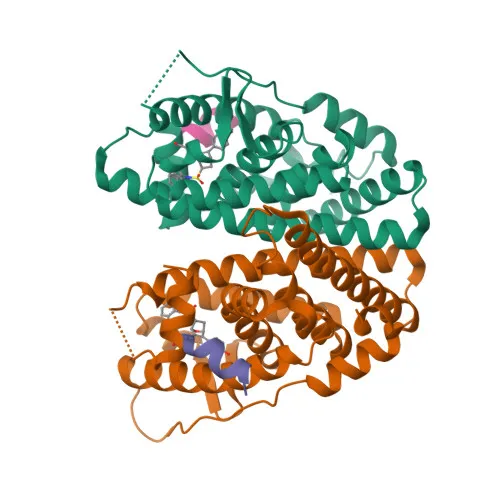
- Estrogen receptor alpha (ER-alpha, ESR1, NR3A1) is a ligand-activated transcription factor belonging to the nuclear hormone receptor superfamily.
- Upon estrogen binding, ESR1 homodimerizes and binds to estrogen response elements (EREs) to regulate gene expression involved in cell proliferation and differentiation. It can also modulate transcription through interactions with other transcription factors like AP-1 and Sp1.
- ESR1 is essential for MTA1-mediated transcriptional regulation of BRCA1 and BCAS3. Related references: PMID:17922032
- ESR1 is involved in activation of NOS3 and endothelial nitric oxide production, playing a role in vascular function. Related references: PMID:21937726
- Alternative splicing generates isoforms lacking functional domains that can modulate transcriptional activity by competitive binding or heterodimerization; one such isoform binds ERE and inhibits full-length ESR1. Related references: PMID:10970861
- ESR1 is widely expressed across tissues but is notably absent in the pituitary gland. Related references: PMID:10970861
- The receptor undergoes multiple post-translational modifications including phosphorylation (e.g., at S106), palmitoylation, methylation, and ubiquitination, which regulate its activity, stability, and localization.
- ESR1 localizes primarily to the nucleus but can also be found in the cytoplasm, cell membrane, and Golgi apparatus, enabling both genomic and rapid non-genomic signaling.
Experimental Guidance and Technical Tips
- This antibody is produced against a phosphorylated peptide; for Western blot, consider including phosphatase inhibitors in lysis buffers and validating the phospho-specific signal by phosphatase treatment to confirm specificity.
- The recommended applications are WB and IF/ICC; for IF/ICC, fixation and permeabilization conditions should be optimized for the detection of nuclear and membrane-associated pools of phosphorylated ESR1.
- Cross-reactivity is reported for human and mouse; however, validation in your specific experimental system (e.g., cell line, tissue) is advisable, especially when studying endogenous ESR1 phosphorylation.
CamelBio: Your One-Stop Sourcing Bridge
CamelBio serves as a comprehensive sourcing platform for IVD raw materials, providing reliable access to phosphorylated antibodies like this anti-ESR1 (phospho S106) polyclonal antibody, ideal for research in hormone-dependent cancers and reproductive biology. We help diagnostic manufacturers streamline assay development with validated antibody pairs, optimized monoclonal/polyclonal reagents, bulk ancillary reagents, and rare-target raw-material procurement, ensuring seamless support from concept to clinic.
REQUEST A QUOTE
Our professional team will reply to you within one business day. Please feel free to contact us!