Monoclonal Antibodies
Anti-ESRRA Rabbit Monoclonal Antibody for WB, ELISA - P11474
Item Number : CM0005304
Price varies based on specs and customizations
- Application
- WB, ELISA
- Cross Reactivity
- Human, Mouse
- Protein Weight
- 46kDa

Shipping:
Contact us to get shipping details Enjoy On-time Dispatch Guarantee.
Why Choose Us
Easy ordering process, quality products, and dedicated support for your business success.
Core Product Specifications and Parameters
| Parameter | Value |
|---|---|
| Product Name | ESRRA Rabbit mAb |
| Remarks/Alias | ERR1; ERRa; ESRL1; NR3B1; ERRalpha; ESRRA |
| Species | Human |
| GeneID (Human) | 2101 |
| GeneID | 2101 |
| Immunogen | Synthetic Peptide |
| Source | Rabbit |
| Category | Monoclonal Antibodies |
| Application | WB, ELISA |
| Cross Reactivity | Human, Mouse |
| SWISS | P11474 |
| Protein Weight | 46kDa |
| Shipping | Ice bag |
Biological Background: ESRRA (ERRalpha) Function and Localization
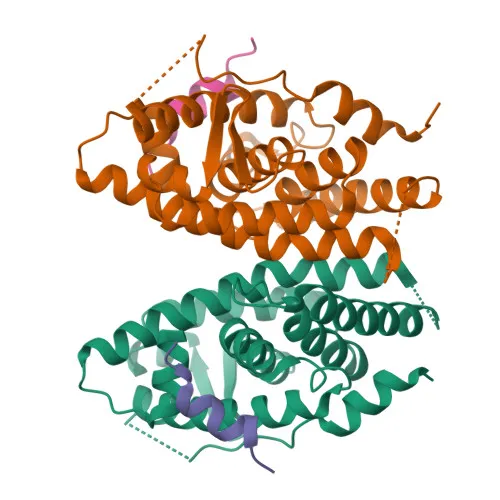
- ESRRA encodes steroid hormone receptor ERR1, also known as estrogen-related receptor alpha (ERRα), a member of the nuclear receptor subfamily 3 group B (NR3B1).
- ERRα functions as a transcription factor that binds to ERRα response elements (ERREs) containing the consensus half-site 5'-TNAAGGTCA-3', regulating target gene expression.
- It is a key regulator of energy metabolism, forming a complex with the coactivator PGC-1α to induce genes such as PERM1 in skeletal muscle and MCAD in mitochondrial fatty acid oxidation.
- ERRα binds to the medium-chain acyl coenzyme A dehydrogenase (MCAD) response element NRRE-1 and the lactoferrin gene promoter, indicating broad transcriptional regulatory roles.
- Subcellularly, ERRα is predominantly nuclear but can also localize to the cytoplasm, consistent with its dynamic roles in transcription and signaling.
- Post-translational modifications include acetylation, phosphorylation, and ubiquitin-like conjugation (SUMOylation), which modulate its activity, stability, or subcellular distribution.
- The protein contains zinc finger domains and binds zinc ions, typical of nuclear receptors, and it undergoes alternative splicing, yielding multiple isoforms.
Experimental Guidance and Technical Tips
- The antigen used for immunization is a synthetic peptide from the N-terminal region (amino acids 1-100), which may contribute to targeting a region with lower sequence conservation; verify reactivity in your system if working with highly homologous family members.
- For Western blotting, a band corresponding to ~46 kDa is expected; use appropriate positive controls such as human or mouse tissue lysates known to express ESRRA (e.g., skeletal muscle, heart).
- In ELISA applications, the antibody can be employed as a capture or detection reagent; optimization of coating conditions and antibody concentration is recommended.
- Cross-reactivity with mouse ESRRA is reported, but due to potential sequence differences, validation in mouse samples is advised if precise quantification is required.
- Consider using this antibody in combination with other ERRα antibodies for co-immunoprecipitation or ChIP applications, though these have not been validated by the supplier.
CamelBio: Your One-Stop Sourcing Bridge
CamelBio is your one-stop sourcing partner for IVD raw materials, offering validated monoclonal and polyclonal antibodies, antibody pairs, bulk reagents, and rare-target raw material sourcing. Our anti-ESRRA antibody aids research in metabolic disorders and nuclear receptor pathways, and we can support your entire development pipeline with complementary reagents and technical consulting.
REQUEST A QUOTE
Our professional team will reply to you within one business day. Please feel free to contact us!