Polyclonal Antibodies
Anti-ERCC4 (XPF) Rabbit Polyclonal Antibody for WB, IP, ELISA - Q92889
Item Number : CM0030085
Price varies based on specs and customizations
- Application
- WB, IP, ELISA
- Cross Reactivity
- Human, Mouse, Rat
- Protein Weight
- 104kDa

Shipping:
Contact us to get shipping details Enjoy On-time Dispatch Guarantee.
Why Choose Us
Easy ordering process, quality products, and dedicated support for your business success.
Core Product Specifications and Parameters
| Parameter | Value |
|---|---|
| Product Name | ERCC4 Rabbit pAb |
| Remarks/Alias | XPF; RAD1; FANCQ; XFEPS; ERCC11; ERCC4 |
| Species | Human |
| GeneID (Human) | 2072 |
| GeneID | 2072 |
| Immunogen | A synthetic peptide corresponding to a sequence within amino acids 513-782 of human ERCC4 (NP_005227.1). |
| Source | Rabbit |
| Category | Polyclonal Antibodies |
| Application | WB, IP, ELISA |
| Cross Reactivity | Human, Mouse, Rat |
| SWISS | Q92889 |
| Protein Weight | 104kDa |
| Shipping | Ice bag |
Biological Background: ERCC4 (XPF) Function and Localization
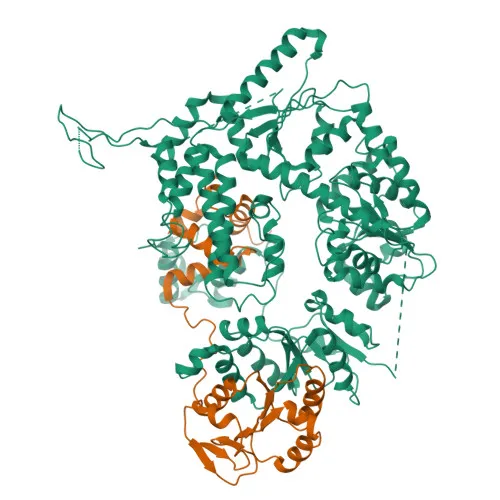
- ERCC4 (XPF) is the catalytic subunit of a structure-specific DNA repair endonuclease, essential for nucleotide excision repair (NER) and interstrand cross-link (ICL) repair.
- It executes the 5' incision during DNA repair, enabling the removal of damaged DNA strands.
- Alternative names include DNA repair endonuclease XPF, DNA excision repair protein ERCC-4, and xeroderma pigmentosum group F-complementing protein.
- The protein localizes to the nucleus and is associated with chromosomes, consistent with its role in DNA repair.
- Post-translational modifications include acetylation, phosphorylation, and ubiquitination, as indicated by experimental evidence.
- Mutations in ERCC4 are linked to disorders such as Cockayne syndrome, Fanconi anemia, xeroderma pigmentosum, and dwarfism.
- The molecular weight is approximately 104 kDa, and the enzyme requires magnesium for its endonuclease activity.
- ERCC4 contains a repeat region and plays a critical role in maintaining genomic stability through DNA damage repair.
Experimental Guidance and Technical Tips
- The immunogen corresponds to amino acids 513–782 of human ERCC4, targeting the C-terminal region; this region is likely conserved across mouse and rat, supporting the observed cross-reactivity.
- As a rabbit polyclonal antibody, it may recognize multiple splice variants or isoforms; validate specificity in the relevant sample system (e.g., via knockdown or knockout controls).
- For Western blot, a band around 104 kDa is expected; optimize antibody dilution and include appropriate loading controls.
- For immunoprecipitation, confirm compatibility with native or denaturing conditions based on experimental needs.
- For ELISA, consider testing with recombinant ERCC4 proteins to assess sensitivity and linearity.
- Cross-reactivity with mouse and rat allows use in rodent model studies; verify with appropriate tissue lysates.
CamelBio: Your One-Stop Sourcing Bridge
CamelBio is a trusted one-stop partner for IVD raw materials, supporting diagnostic manufacturers, laboratories, and research institutes from concept to clinic. For DNA repair targets like ERCC4 (XPF), we offer validated polyclonal antibodies, along with bulk ancillary reagents and technical consulting. Whether you need established antibodies, rare target sourcing, or customized solutions, our team is ready to assist with your diagnostic development workflow.
Product Datasheet
Anti-ERCC4 (XPF) Rabbit Polyclonal Antibody for WB, IP, ELISA - Q92889
REQUEST A QUOTE
Our professional team will reply to you within one business day. Please feel free to contact us!