Monoclonal Antibodies
Anti-ERCC1 Rabbit Monoclonal Antibody for WB and ELISA - P07992
Item Number : CM0010424
Price varies based on specs and customizations
- Application
- WB, ELISA
- Cross Reactivity
- Human
- Protein Weight
- 33kDa

Shipping:
Contact us to get shipping details Enjoy On-time Dispatch Guarantee.
Why Choose Us
Easy ordering process, quality products, and dedicated support for your business success.
Core Product Specifications and Parameters
| Parameter | Value |
|---|---|
| Product Name | ERCC1 Rabbit mAb |
| Remarks/Alias | UV20; COFS4; RAD10; ERCC1 |
| Species | Human |
| GeneID (human) | 2067 |
| GeneID | 2067 |
| Immunogen | Recombinant fusion protein containing a sequence corresponding to amino acids 1-200 of human ERCC1 (P07992). |
| Source | Rabbit |
| Category | Monoclonal Antibodies |
| Application | WB, ELISA |
| Cross Reactivity | Human |
| SWISS | P07992 |
| Protein Weight | 33kDa |
| Shipping | Ice bag |
Biological Background: ERCC1 Function and Localization
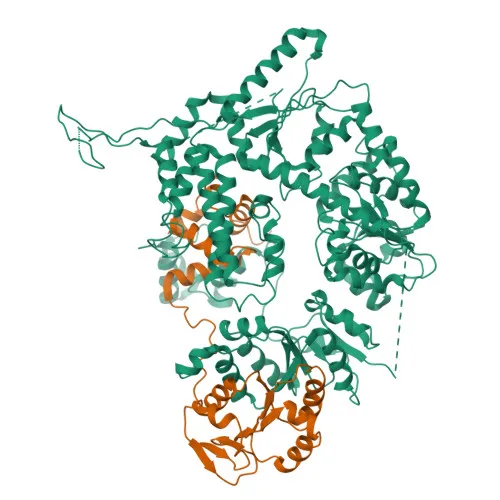
- ERCC1 (Excision Repair Cross-Complementation group 1), also known as UV20, COFS4, or RAD10, is a 33 kDa protein that functions as a non-catalytic subunit of a structure-specific DNA repair endonuclease.
- As part of the XPF-ERCC1 complex, it is responsible for the 5'-incision step during nucleotide excision repair (NER) and is essential for the repair of interstrand cross-links (ICLs) in conjunction with SLX4.
- ERCC1 participates in homology-directed repair (HDR) of DNA double-strand breaks and processes anaphase bridge-generating DNA structures arising from incomplete DNA lesions.
- ERCC1 localizes predominantly to the nucleus but can also be detected in the cytoplasm, consistent with its roles in DNA damage sensing and repair.
- The protein undergoes alternative splicing, producing multiple isoforms, and is subject to post-translational modifications including acetylation and ubiquitin-like conjugation.
- Mutations in ERCC1 are associated with disorders such as cerebro-oculo-facio-skeletal syndrome (COFS4) and cataracts, underscoring its importance in genome stability.
Experimental Guidance and Technical Tips
- The immunogen corresponds to amino acids 1-200 of human ERCC1, a region that includes conserved domains critical for protein-protein interactions; this antibody is expected to recognize full-length endogenous ERCC1.
- For Western blotting, human cell lines (e.g., HeLa, HEK293) are suitable sample sources; a band near 33 kDa should be detected. Consider using nuclear extracts to enrich the signal.
- In ELISA, the recombinant immunogen can serve as a positive control; titration of the antibody is recommended to determine optimal working concentrations.
- Cross-reactivity with mouse or rat ERCC1 is not guaranteed; validate in the relevant species if needed.
CamelBio: Your One-Stop Sourcing Bridge
CamelBio provides diagnostic manufacturers, laboratories, and research institutes with comprehensive access to high-quality IVD raw materials. This anti-ERCC1 rabbit monoclonal antibody, targeting a key DNA repair protein, exemplifies our capability to supply validated antibodies for research in genome stability and oncology. As your one-stop sourcing partner, we offer bulk reagents, validated antibody pairs, and support for rare-target material sourcing to accelerate your assay development from concept to clinic.
REQUEST A QUOTE
Our professional team will reply to you within one business day. Please feel free to contact us!