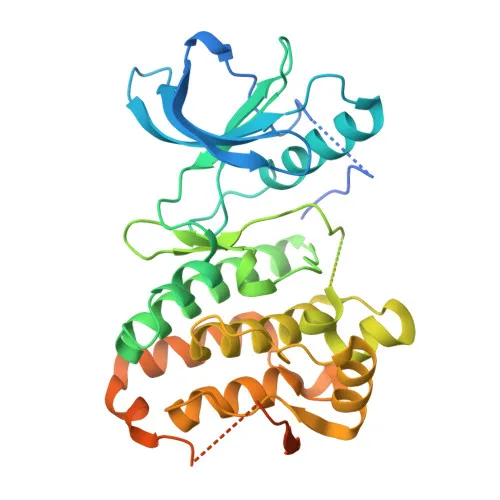
Polyclonal Antibodies
Anti-EPHA3/EPHA4/EPHA5 Polyclonal Antibody for IHC-P, IF/ICC, ELISA - P29320 / P54764 / P54756
Item Number : CM0019401
Price varies based on specs and customizations
- Application
- IHC-P, IF/ICC, ELISA
- Cross Reactivity
- Human, Mouse, Rat
- Source
- Rabbit

Shipping:
Contact us to get shipping details Enjoy On-time Dispatch Guarantee.
Why Choose Us
Easy ordering process, quality products, and dedicated support for your business success.
Core Product Specifications and Parameters
| Parameter | Value |
|---|---|
| Product Name | EPHA3/EPHA4/EPHA5 pAb |
| Species | Human |
| Gene ID (Human) | 2042/2043/2044 |
| Gene ID | 2042/2043/2044 |
| Immunogen | A synthetic peptide corresponding to a sequence within amino acids 700-800 of human EPHA3/EPHA4/EPHA5 (NP_005224.2). |
| Source | Rabbit |
| Category | Polyclonal Antibodies |
| Application | IHC-P, IF/ICC, ELISA |
| Cross Reactivity | Human, Mouse, Rat |
| SWISS | P29320/P54764/P54756 |
| Shipping | Ice bag |
Biological Background: EPHA3/EPHA4/EPHA5 Function and Localization
- EPHA3 (Ephrin type-A receptor 3) is a receptor tyrosine kinase that belongs to the ephrin receptor subfamily. It is also known as EK4, HEK, TYRO4, and ETK1. The antibody recognizes EPHA3, as well as the closely related EPHA4 and EPHA5 receptors, due to conserved epitopes in the C-terminal region.
- Upon binding ephrin-A ligands on adjacent cells, EPHA3 mediates bidirectional signaling: forward signaling through its intracellular kinase domain and reverse signaling through the ephrin ligand. This contact-dependent communication regulates cell-cell adhesion, cytoskeletal dynamics, and cell migration. Related references: PMID:11870224
- EPHA3 preferentially binds ephrin-A5 (EFNA5), but also interacts with ephrin-A1 (EFNA1). Activation by EFNA1 inhibits epithelial-to-mesenchymal transition in cardiac cells, contributing to normal heart development. Related references: PMID:12794130
- The receptor localizes to the cell membrane and can also be found in secreted forms. It is a single-pass type I membrane protein with an extracellular ligand-binding domain, a cysteine-rich region, two fibronectin type-III repeats, a transmembrane segment, and an intracellular tyrosine kinase domain.
- EPHA3 is widely expressed, with the highest levels observed in the placenta, and plays a role in retinotectal mapping of neurons and the segregation of motor and sensory axons during neuromuscular circuit development.
- Key structural features include ATP-binding and transferase activities, N-glycosylation, and phosphorylation. The full-length protein has a calculated molecular weight of approximately 110 kDa.
Experimental Guidance and Technical Tips
- The immunogen used to generate this antibody is a synthetic peptide derived from a conserved region (amino acids 700-800) shared by human EPHA3, EPHA4, and EPHA5. This design likely contributes to the demonstrated cross-reactivity with mouse and rat orthologs.
- For IHC-P, consider optimizing the antigen retrieval method and antibody dilution. Validation should be performed in tissue samples known to express EPHA family members, such as placenta or neuronal tissues.
- For IF/ICC, permeabilization protocols may be required to detect intracellular epitopes. Include appropriate controls, such as cells with confirmed EPHA expression.
- In ELISA, the antibody can be used to detect recombinant or native EPHA3/4/5 proteins. Ensure that the coating antigen and detection system are compatible with a rabbit polyclonal antibody.
CamelBio: Your One-Stop Sourcing Bridge
CamelBio provides diagnostic manufacturers, laboratories, and research institutes with a streamlined procurement channel for IVD raw materials, including this polyclonal antibody targeting the EPHA3/EPHA4/EPHA5 receptor tyrosine kinases. Whether you need validated antibody pairs, optimized monoclonal or polyclonal antibodies, bulk ancillary reagents, or assistance sourcing rare-target raw materials for neuroscience and developmental biology research, CamelBio offers one-stop support to accelerate your project from concept to clinic.
Product Datasheet
Anti-EPHA3/EPHA4/EPHA5 Polyclonal Antibody for IHC-P, IF/ICC, ELISA - P29320 / P54764 / P54756
REQUEST A QUOTE
Our professional team will reply to you within one business day. Please feel free to contact us!