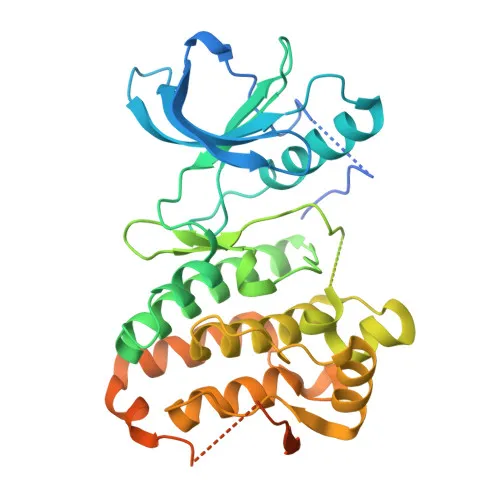
Polyclonal Antibodies
Anti-EPHA3 Rabbit Polyclonal Antibody for WB, ELISA - P29320
Item Number : CM0027985
Price varies based on specs and customizations
- Application
- WB, ELISA
- Cross Reactivity
- Human, Mouse, Rat
- Protein Weight
- 110kDa

Shipping:
Contact us to get shipping details Enjoy On-time Dispatch Guarantee.
Why Choose Us
Easy ordering process, quality products, and dedicated support for your business success.
Core Product Specifications and Parameters
| Parameter | Value |
|---|---|
| Product Name | EPHA3 Rabbit pAb |
| Remarks/Alias | EK4; ETK; HEK; ETK1; HEK4; TYRO4; EPHA3 |
| Species | Human |
| GeneID (Human) | 2042 |
| GeneID | 2042 |
| Immunogen | Recombinant fusion protein containing a sequence corresponding to amino acids 400-545 of human EPHA3 (NP_005224.2). |
| Source | Rabbit |
| Category | Polyclonal Antibodies |
| Application | WB, ELISA |
| Cross Reactivity | Human, Mouse, Rat |
| SWISS | P29320 |
| Protein Weight | 110kDa |
| Shipping | Ice bag |
Biological Background: EPHA3 Function and Localization
- EPHA3 (Ephrin type-A receptor 3) is a receptor tyrosine kinase, also known as EK4, HEK, TYRO4, and ETK1, encoded by the EPHA3 gene on human chromosome 3. It belongs to the ephrin receptor subfamily of the protein-tyrosine kinase family.
- EPHA3 mediates contact-dependent bidirectional signaling: forward signaling through the receptor upon binding ephrin-A ligands (preferentially EFNA5) and reverse signaling through the ephrin ligand.
Related references: PMID:11870224 PMID:12794130 - Upon activation by EFNA5, EPHA3 regulates cell-cell adhesion, cytoskeletal organization, and cell migration (PubMed:11870224). Activation by EFNA1 inhibits epithelial-to-mesenchymal transition in cardiac cells and contributes to heart development (PubMed:12794130).
Related references: PMID:11870224 PMID:12794130 - EPHA3 is involved in retinotectal mapping of neurons and may control the segregation (but not guidance) of motor and sensory axons during neuromuscular circuit development.
- Subcellularly, EPHA3 is localized to the cell membrane, and a secreted isoform has also been reported.
- EPHA3 is widely expressed in human tissues, with the highest levels observed in the placenta.
- Key post-translational modifications include phosphorylation on tyrosine residues (phosphoprotein), and it is a glycoprotein. It contains an ATP-binding site and a kinase domain, characteristic of tyrosine-protein kinases.
Experimental Guidance and Technical Tips
- The immunogen corresponds to a region within the extracellular domain of EPHA3, suggesting the antibody may recognize the extracellular portion of the receptor.
- For Western blotting (WB), consider using whole-cell lysates from cell lines expressing EPHA3, such as placental or cardiac tissues, given its tissue distribution.
- Due to cross-reactivity with mouse and rat EPHA3, the antibody may be suitable for studies in these species; however, validation in the relevant sample system is recommended.
- For ELISA, optimize coating antigen and detection conditions, and validate specificity using recombinant EPHA3 protein.
CamelBio: Your One-Stop Sourcing Bridge
CamelBio provides diagnostic manufacturers and research labs with streamlined access to high-quality IVD raw materials. For studies of ephrin receptor signaling, cell adhesion, and developmental biology, we offer validated anti-EPHA3 antibodies and can assist in sourcing complementary reagents such as recombinant proteins and detection antibodies. Our end-to-end support covers everything from antibody pair development to bulk reagent supply, efficiently bridging your project from concept to clinic.
REQUEST A QUOTE
Our professional team will reply to you within one business day. Please feel free to contact us!