Monoclonal Antibodies
Anti-EPCR/CD201 Rabbit Monoclonal Antibody for WB, FC, ELISA - Q9UNN8
Item Number : CM0004436
Price varies based on specs and customizations
- Application
- WB, FC, ELISA
- Cross Reactivity
- Human, Mouse
- Protein Weight
- 26kDa

Shipping:
Contact us to get shipping details Enjoy On-time Dispatch Guarantee.
Why Choose Us
Easy ordering process, quality products, and dedicated support for your business success.
Core Product Specifications and Parameters
| Parameter | Value |
|---|---|
| Product Name | EPCR/CD201 Rabbit mAb |
| Remarks/Alias | PROCR; CCCA; CCD41; EPCR; protein C receptor; EPCR/CD201 |
| Species | Human |
| GeneID (Human) | 10544 |
| GeneID | 10544 |
| Immunogen | Recombinant fusion protein containing a sequence corresponding to amino acids 18-210 of human CD201/EPCR (NP_006395.2). |
| Source | Rabbit |
| Category | Monoclonal Antibodies |
| Application | WB, FC, ELISA |
| Cross Reactivity | Human, Mouse |
| SWISS | Q9UNN8 |
| Protein Weight | 26kDa |
| Shipping | Ice bag |
Biological Background: EPCR/CD201 Function and Localization
- Endothelial protein C receptor (EPCR/CD201), also designated activated protein C receptor, is a transmembrane receptor encoded by the PROCR gene.
- EPCR binds activated protein C and enhances its activation by the thrombin-thrombomodulin complex, thereby playing a critical role in the protein C anticoagulant pathway.
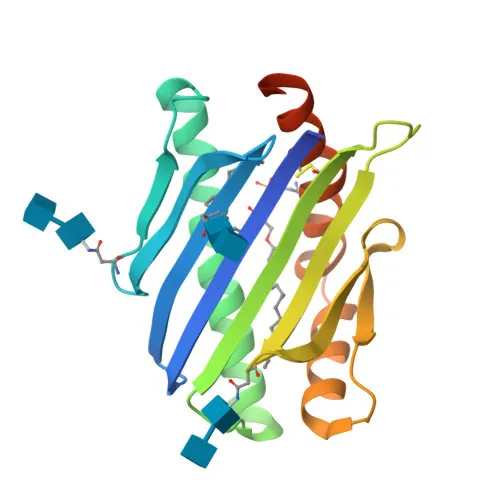
- The protein is a single-pass type I membrane protein containing a signal peptide and two extracellular domains; the immunogen corresponds to the extracellular region.
- EPCR is highly expressed in endothelial cells of arteries and veins in the heart and lung, with lower expression in capillaries of the lung and skin, and is absent in small vessels of the liver and kidney.
- Structurally, EPCR has a disulfide bond and is glycosylated; it belongs to the CD1/MHC family of proteins.
- Functional studies have highlighted EPCR’s involvement in coagulation and hemostasis, as well as a potential role in inflammation.
Experimental Guidance and Technical Tips
- The immunogen comprises the extracellular domain (aa 18-210) of human EPCR/CD201; antibody reactivity may be influenced by the native conformation or glycosylation status.
- For Western blot (WB), consider using reducing SDS-PAGE conditions for a predicted band near 26 kDa (note: glycosylation may shift apparent molecular weight).
- For flow cytometry (FC), staining of live, unfixed cells is suggested since EPCR is a surface receptor; validate with known positive and negative cell lines.
- In ELISA, the antibody may be suitable as either a capture or detection reagent; orthogonal validation with recombinant protein is recommended.
- Cross-reactivity with mouse EPCR is reported; verify sequence homology in the epitope region for your specific mouse strain.
CamelBio: Your One-Stop Sourcing Bridge
- CamelBio serves as a comprehensive procurement partner for diagnostic manufacturers and research laboratories, offering one-stop access to IVD raw materials from discovery to regulatory approval.
- For coagulation and hemostasis research, CamelBio supplies validated antibody pairs, optimized monoclonal and polyclonal antibodies, bulk ancillary reagents, and custom sourcing for rare-target raw materials.
- Leverage CamelBio’s technical and supply chain expertise to accelerate your assay development with reliable reagents for targets like EPCR/CD201.
Product Datasheet
Anti-EPCR/CD201 Rabbit Monoclonal Antibody for WB, FC, ELISA - Q9UNN8
REQUEST A QUOTE
Our professional team will reply to you within one business day. Please feel free to contact us!