Monoclonal Antibodies
Anti-ENO3 Rabbit Monoclonal Antibody for WB, IF/ICC, ELISA - P13929
Item Number : CM0004482
Price varies based on specs and customizations
- Application
- WB, IF/ICC, ELISA
- Cross Reactivity
- Human, Mouse, Rat
- Protein Weight
- 42kDa/44kDa/47kDa

Shipping:
Contact us to get shipping details Enjoy On-time Dispatch Guarantee.
Why Choose Us
Easy ordering process, quality products, and dedicated support for your business success.
Core Product Specifications and Parameters
| Parameter | Value |
|---|---|
| Product Name | ENO3 Rabbit mAb |
| Remarks/Alias | MSE; GSD13 |
| Species | Human |
| GeneID (Human) | 2027 |
| GeneID | 2027 |
| Immunogen | Synthetic peptide corresponding to a sequence within amino acids 1-100 of human ENO3 (NP_001967.3) |
| Source | Rabbit |
| Category | Monoclonal Antibodies |
| Application | WB, IF/ICC, ELISA |
| Cross Reactivity | Human, Mouse, Rat |
| SWISS | P13929 |
| Protein Weight | 42kDa/44kDa/47kDa |
| Shipping | Ice bag |
Biological Background: Beta-enolase (ENO3) Function and Localization
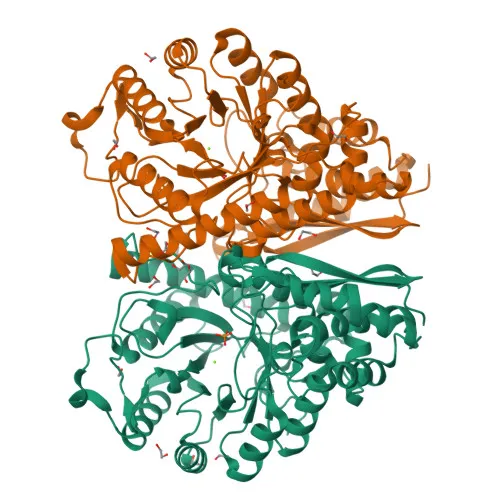
- ENO3 encodes beta-enolase (2-phospho-D-glycerate hydro-lyase), a glycolytic enzyme that catalyzes the interconversion of 2-phosphoglycerate to phosphoenolpyruvate, functioning in both glycolysis and gluconeogenesis.
- Beta-enolase is also known as muscle-specific enolase (MSE) and skeletal muscle enolase, and is a member of the enolase family.
- In striated muscle, beta-enolase forms homodimers (beta/beta) or heterodimers with alpha-enolase (alpha/beta); in other tissues, alpha/alpha homodimers predominate, while gamma-enolase forms neuron-specific dimers.
- The protein plays a role in striated muscle development and regeneration, highlighting its importance beyond basic metabolism.
- Subcellularly, beta-enolase localizes to the cytoplasm.
- Post-translational modifications include acetylation and phosphorylation, and the protein binds magnesium as a cofactor.
- Clinically, mutations in ENO3 are associated with glycogen storage disease type 13 (GSD13), a metabolic myopathy.
Experimental Guidance and Technical Tips
- The immunogen corresponds to the N-terminal region (aa 1-100) of human ENO3, which shares high homology with mouse and rat orthologs, supporting the observed cross-reactivity.
- For Western blot (WB), consider using tissue lysates from skeletal muscle or heart (striated muscle) where ENO3 is highly expressed; the antibody may detect bands around 42-47 kDa, potentially reflecting isoforms or post-translational modifications.
- For immunofluorescence/immunocytochemistry (IF/ICC), validate the antibody in fixed and permeabilized cells or tissue sections from muscle, expecting cytoplasmic staining.
- For ELISA, utilize the antibody in capture/detection formats; note that peptide competition assays can confirm specificity.
- As a monoclonal antibody, lot-to-lot consistency is expected, but optimization of working dilutions and buffer conditions is recommended for each application and sample type.
CamelBio: Your One-Stop Sourcing Bridge
CamelBio supplies this anti-ENO3 rabbit monoclonal antibody to support diagnostic development and research in muscle metabolism and glycogen storage disorders. As your one-stop sourcing partner, we offer validated antibody pairs, optimized monoclonal/polyclonal antibodies, and bulk ancillary reagents for IVD manufacturing. For rare or custom targets, our team provides dedicated raw-material sourcing to bridge your concept to clinic.
REQUEST A QUOTE
Our professional team will reply to you within one business day. Please feel free to contact us!